
Sarvabad
Sarvabad is a city in Iran's Kurdistan Province, the administrative center of Sarvabad County. It is a predominantly Kurdish-speaking, rural community in a mountainous area of the Zagros region with agriculture and local services.
Overview
Sarvabad (Kurdish: Serwawa, Persian: سروآباد) is a city in western Iran that serves as the administrative centre of Sarvabad County in Kurdistan Province (Kurdistan Province). Positioned within the western Zagros uplands, Sarvabad acts as a local hub for surrounding villages and rural communities, providing governmental, educational and basic health services.
Image gallery
2 Images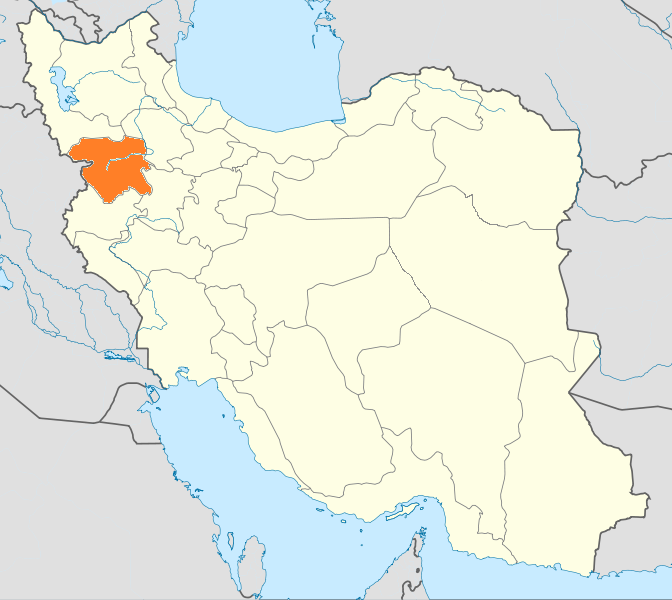

Geography and climate
The city lies in a mountainous landscape of valleys, ridges and small streams typical of the Zagros range. The climate is broadly continental‑mountainous, with cold winters and milder summers. Local watercourses and springs support small‑scale irrigation, orchards and pasturelands. The natural setting includes wooded slopes and seasonal meadows important for grazing and rural livelihoods.
History and administration
Sarvabad developed historically as a market and service centre for nearby villages and tribal settlements rather than from a single foundation event. Over time it became the county capital, hosting local administrative institutions and serving as a point of contact between rural areas and provincial authorities.
Demographics and culture
The population is predominantly Kurdish and Kurdish is the main language spoken in daily life. The majority of residents follow Islam; for regional religious context see religious overview. At the 2006 national census the population of Sarvabad was recorded as 46,760 individuals in 11,186 families. Local culture reflects Kurdish traditions in music, dress, cuisine and seasonal festivals.
Economy and services
The local economy is chiefly rural and diversified across smallholder farming, livestock rearing and trade. Key economic activities include:
- Small‑scale agriculture: cereals, vegetables and fruit trees grown on terraces and irrigated plots.
- Animal husbandry: sheep and goats grazed on nearby communal pastures.
- Local markets, crafts and services that supply surrounding settlements.
Sarvabad also provides schools, basic medical clinics and municipal services. Its landscape and springs attract modest rural tourism and recreational visits from nearby population centres. Statistical and administrative details may have changed since the 2006 census and more recent local or provincial sources should be consulted for up‑to‑date figures and planning information.
Related articles
Author
AlegsaOnline.com Sarvabad Leandro Alegsa
URL: https://en.alegsaonline.com/art/87399
Sources
- web.archive.org : "Wayback Machine"