
São Bernardo do Campo
Industrial city in Greater São Paulo, Brazil, founded in 1553. Known for automotive manufacturing, metalworking tradition, labor movement ties, and its role in the ABC Region of São Paulo state.
Overview
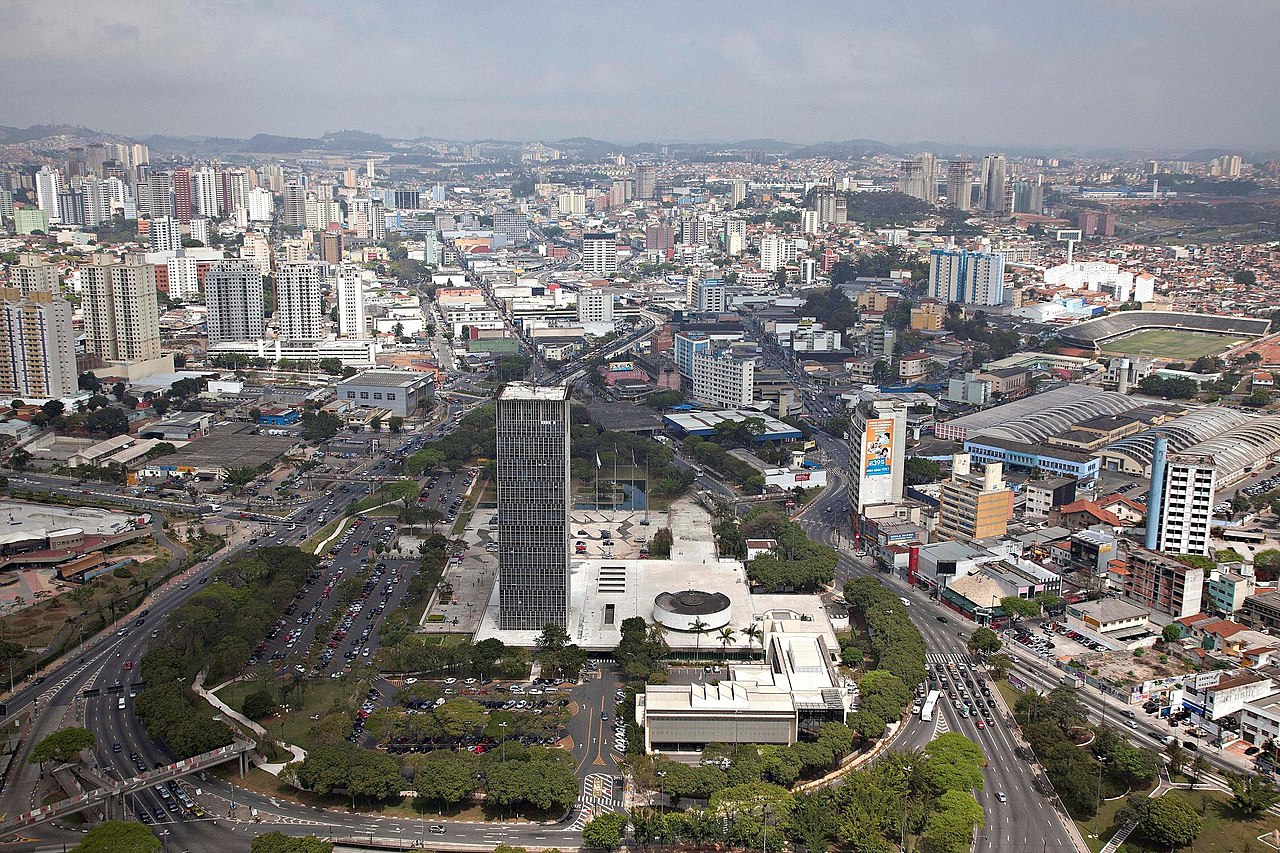
São Bernardo do Campo is a major municipality in the Greater São Paulo metropolitan area, located in the southeastern Brazilian state of São Paulo. It covers about 406 square kilometres and developed into one of the country's primary industrial centres during the 20th century. The city is part of the ABC Region, a historically industrial cluster named for Santo André, São Bernardo do Campo and São Caetano do Sul, and functions as an important node for manufacturing, services and regional transport.
Image gallery
10 Images


History
Founded in 1553, São Bernardo do Campo is one of Brazil's older colonial settlements. For centuries the locality retained a largely rural character with agriculture and small-scale settlements. The dramatic shift came in the mid-20th century, when large-scale industrialisation and the arrival of automobile and heavy industry transformed its economy, urban form and population. Rapid urban growth followed as internal migrants moved to the city seeking industrial employment.
Geography and demography
Situated near the Serra do Mar foothills, the municipality mixes flat urbanised areas with more hilly zones on its outskirts. Its position within the metropolitan region places it near major highways and logistics corridors that serve São Paulo. The city experienced substantial population growth through the 20th century and today supports a dense urban population with a diverse social composition typical of Brazil's industrial centres.
Economy and industry
The local economy has been historically anchored in automotive manufacturing, metalworking and associated supply chains. From the 1950s onward, major automakers and suppliers established plants and workshops in São Bernardo do Campo, giving rise to a broad industrial ecosystem that included steel, machinery, automotive components and specialised services. Over time the municipal economy has also diversified into commerce, logistics, light industry and a growing services sector that supports both residents and industrial activity.
Labor movement and politics
São Bernardo do Campo is widely recognised for a strong labour tradition. Metalworkers' unions based in the city played an influential role in Brazil's labour politics during the late 20th century and served as platforms for national figures associated with the labour movement. This history has left a lasting imprint on local civic life, social organisation and political culture.
Culture, education and urban life
The city offers cultural centres, municipal museums and institutions aimed at preserving industrial and local history, alongside theatres, libraries and community programmes. Technical schools and higher education campuses respond to the needs of industry and the local workforce. Residential neighbourhoods range from dense urban districts to more suburban and green areas; public parks and recreation facilities serve the city's population.
Transport and infrastructure
Well connected to the São Paulo metropolitan transport network, São Bernardo do Campo is served by major highways and public bus corridors that carry commuters and freight. The municipality forms part of broader commuter and logistics patterns feeding the São Paulo metropolis; ongoing investment in transit and road infrastructure remains important for regional mobility and economic competitiveness.
Contemporary challenges and outlook
Like many industrial cities, São Bernardo do Campo faces the challenge of adapting its economic base as manufacturing modernises and globalises. Efforts to diversify the local economy, expand services and promote innovation coexist with policies to support workers, retraining and urban improvements. The city continues to be referenced in studies of Brazil's industrial modernisation and urban transformation.
Further context
For broader context on national and state-level matters that affect São Bernardo do Campo, see general overviews of Brazil and the state of São Paulo.
Related articles
Author
AlegsaOnline.com São Bernardo do Campo Leandro Alegsa
URL: https://en.alegsaonline.com/art/87223