
Santiago Metropolitan Region
Chilean administrative region that contains the national capital Santiago. It is the country's main political, cultural and economic center and is divided into six provinces and many communes.
Overview
The Santiago Metropolitan Region, known in Spanish as the Región Metropolitana de Santiago, is one of Chile's administrative regions and contains the national capital. It functions as the principal hub for government, finance, higher education, culture and transport in Chile. The region concentrates a large portion of the country's population and urban infrastructure and forms the core of the country's metropolitan area.
Image gallery
10 Images





Geography and administrative organization
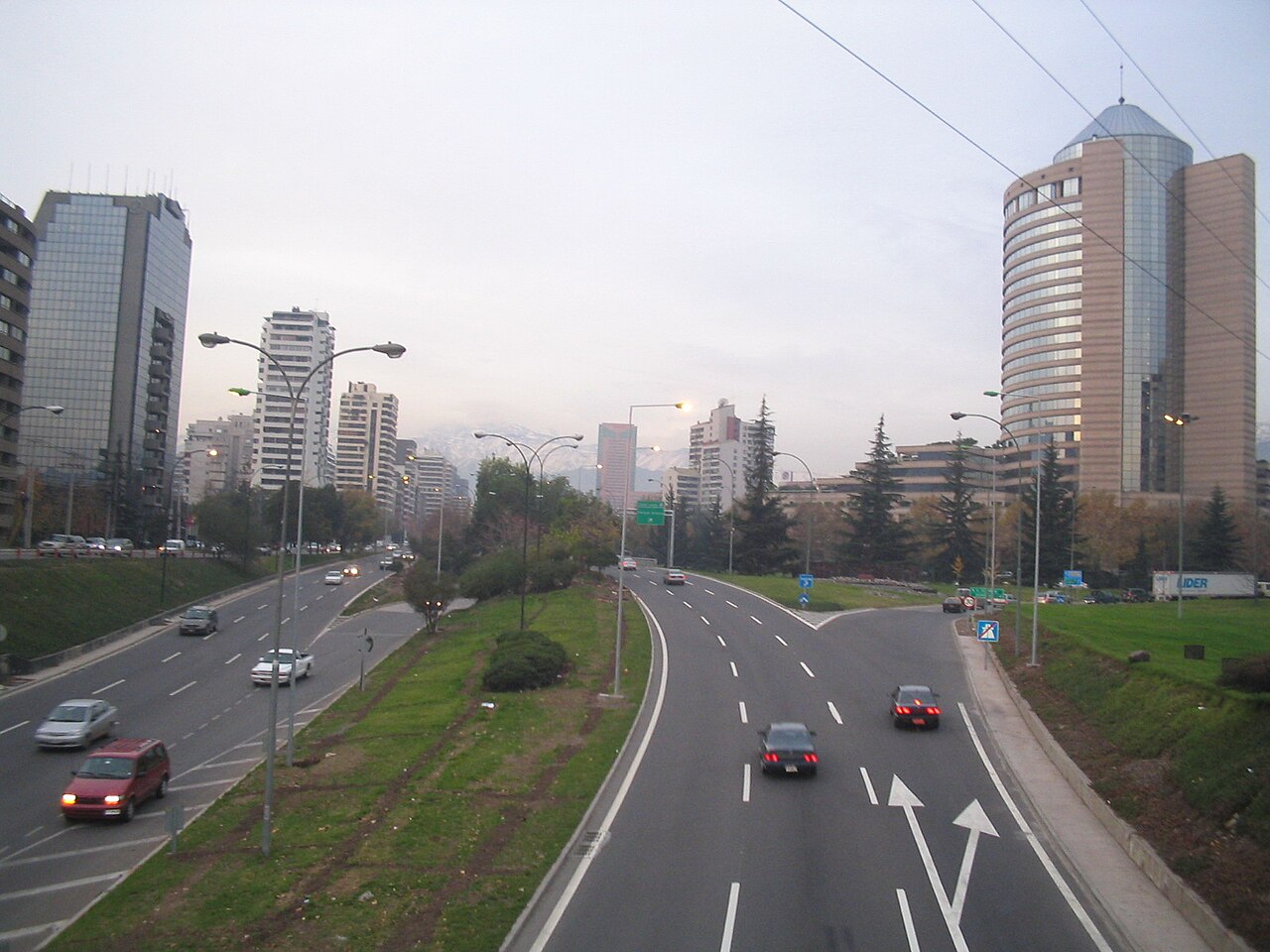
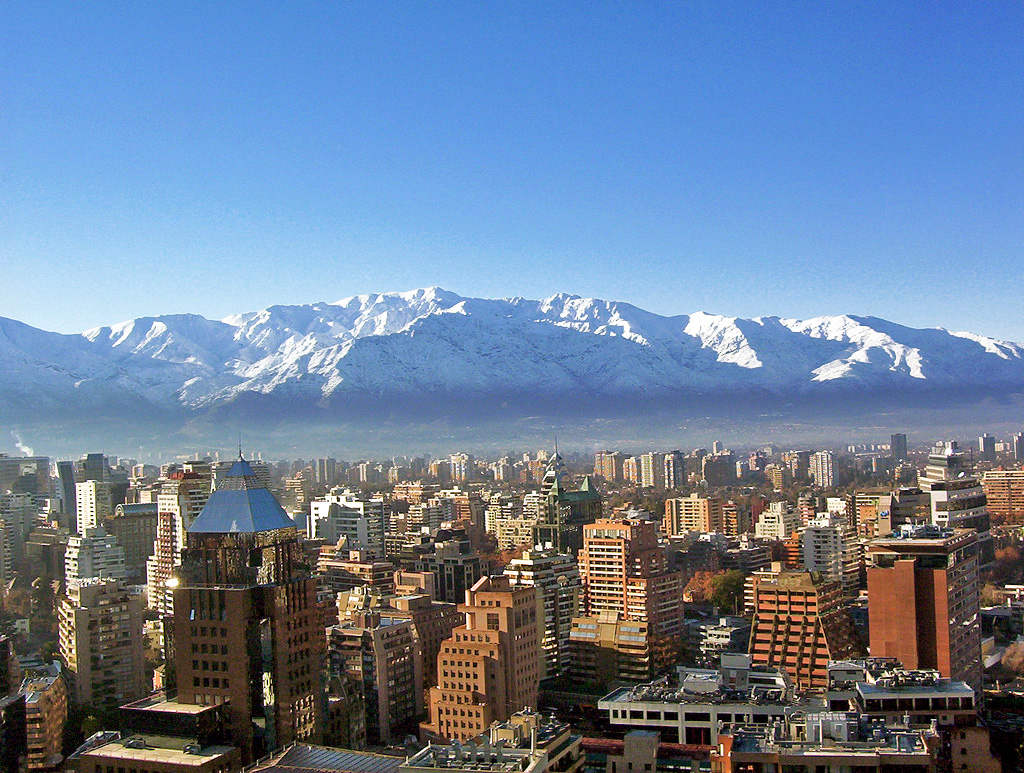
The region occupies a central position in the country, bordered by mountainous terrain to the east and agricultural valleys to the west and south. Administratively it is divided into six provinces; each province is further subdivided into communes that handle local municipal matters.
- Santiago Province
- Cordillera Province
- Chacabuco Province
- Maipo Province
- Melipilla Province
- Talagante Province
History and urban development
The city of Santiago was founded in the 16th century and grew into the political and economic center of the country. Over centuries, rural and vineyard areas around the city were transformed into dense urban and suburban districts. Industrialization, migration from other regions and investment in services and education accelerated metropolitan growth during the 20th century, shaping the contemporary region.
Economy, culture and transport
The region hosts government institutions, major corporate headquarters, universities, museums and cultural venues. Its economy is diversified: finance, commerce, manufacturing, services and surrounding agricultural production (including noted wine-producing valleys) all contribute. The main international airport and principal highway corridors connect Santiago to the rest of Chile and to international destinations, making it the country's principal transport hub.
Notable communes and contemporary issues
Major communes and districts within the metropolitan area include the capital city of Santiago and prominent urban communes such as Providencia, Peñalolén and Lo Barnechea. The region faces urban challenges typical of large metropolitan areas: housing demand, mobility and air quality—especially winter smog caused by its basin setting. At the same time, it remains Chile's principal center of political life, cultural institutions and economic activity, linking national decisions to everyday life across the country.
Related articles
Author
AlegsaOnline.com Santiago Metropolitan Region Leandro Alegsa
URL: https://en.alegsaonline.com/art/87194