
Sant'Antioco: island town and archaeological centre in southwestern Sardinia
Sant'Antioco is a town and comune on the island of the same name off southwestern Sardinia, Italy, known for its long history, archaeological sites, basilica and coastal landscapes.
Overview
Sant'Antioco (Sardinian: Santu Antiògu) is a town and comune on the island of Sant'Antioco off the southwest coast of Sardinia. Administratively it belongs to the Province of Sud Sardegna and the region of Sardinia in Italy. The municipality covers about 87.9 km² and lies only a few metres above sea level; its population was recorded at around 11,272 inhabitants in 2016. The urban centre gives its name to the island and is linked to the Sardinian mainland by a short isthmus and road connection.
Image gallery
10 Images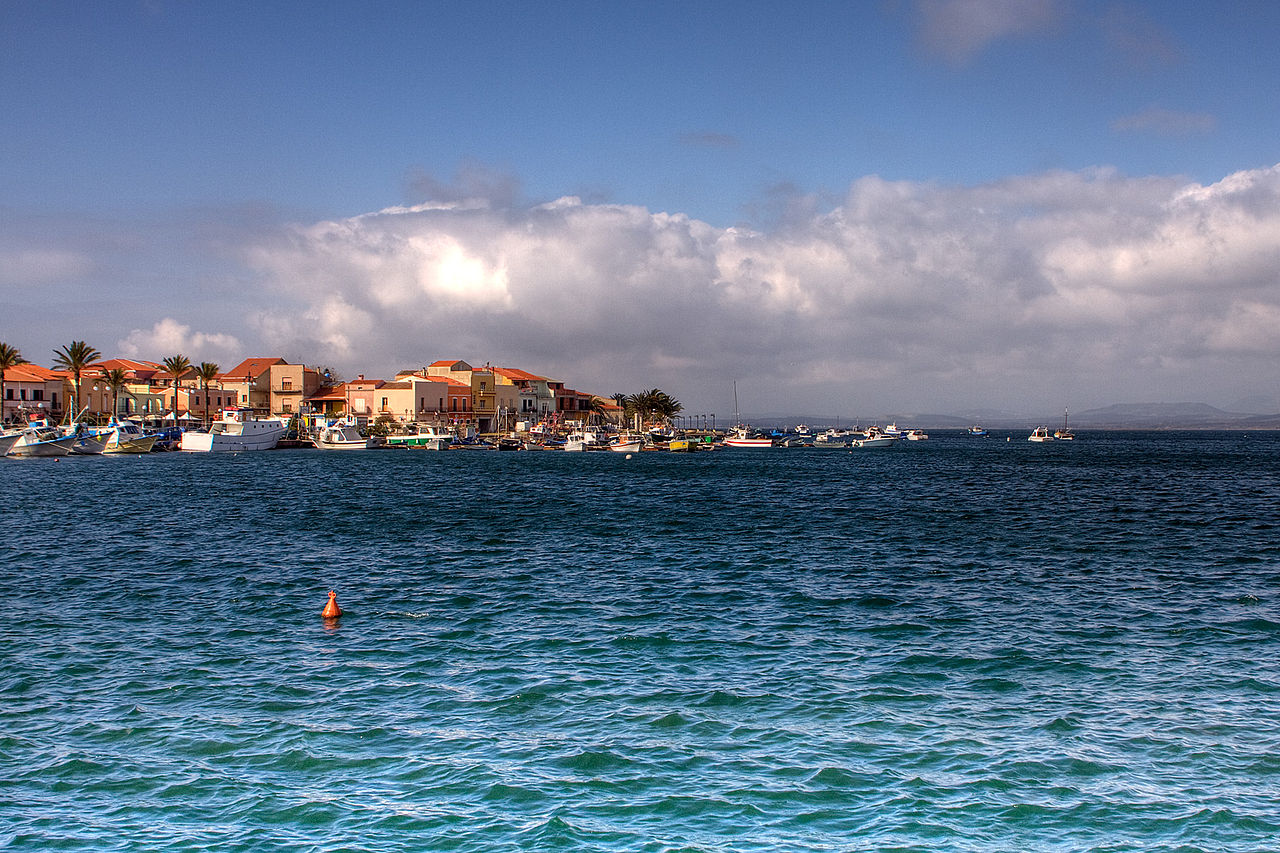


Historical development
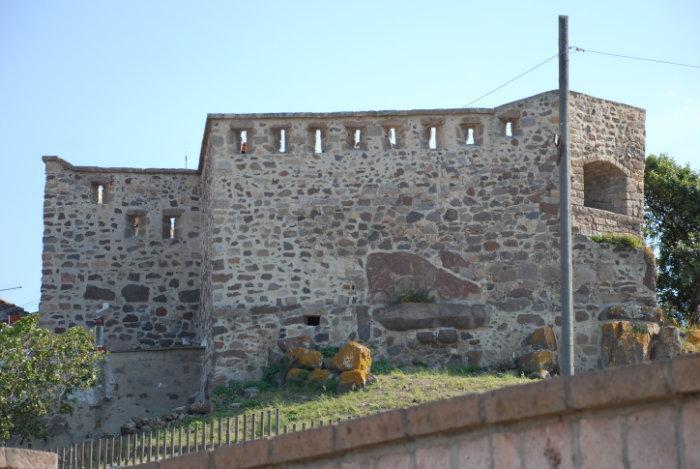
The site has been continuously occupied since prehistoric times and later became one of Sardinia's important Phoenician-Punic settlements in the first millennium BCE, known historically as Sulci. Under Roman rule the town continued as a regional centre. Christianity arrived early, and the town preserves important early Christian monuments associated with the martyr Saint Antioco, who gave the island its modern name.
Main sights and archaeology
Sant'Antioco is notable for a dense concentration of archaeological remains and religious monuments. Key attractions include:
- Extensive Punic and Roman ruins from the ancient city of Sulci and related necropoleis;
- An early Christian basilica and catacombs traditionally linked to Saint Antioco;
- A local archaeological museum displaying finds from the island and surrounding waters;
- Coastal landscapes, beaches and maritime features that combine natural and cultural interest.
Economy, culture and travel
The local economy mixes fishing, agriculture (including vineyards and olive groves), small industry and seasonal tourism attracted by archaeology, religious heritage and seaside recreation. The town hosts traditional religious festivals and serves as a gateway for visitors exploring the Sulcis hinterland and nearby coastal sites. Practical information and municipal services are available through the town's official pages and tourist offices: see the entry for the town of Sant'Antioco and the broader comune.
Notable facts
Sant'Antioco is among Sardinia's oldest continuously inhabited centres, combining layers of prehistoric, Phoenician-Punic, Roman and early Christian history in a compact island setting. Its bilingual identity and maritime traditions reflect the long contact between Mediterranean cultures that shaped the Sulcis area.
Related articles
Author
AlegsaOnline.com Sant'Antioco: island town and archaeological centre in southwestern Sardinia Leandro Alegsa
URL: https://en.alegsaonline.com/art/87171
Sources
- demo.istat.it : "Popolazione Residente al 1° Gennaio 2018"
- demo.istat.it : Istituto Nazionale di Statistica - Bilancio demografico al 30/11/2016
- istat.it : Superficie territoriale per zona altimetrica