
Santiago de Cuba
Santiago de Cuba — a historic port city in southeastern Cuba, the nation's second-largest urban center and capital of Santiago de Cuba Province, known for its music, colonial fortresses and revolutionary history.
Santiago de Cuba is a major port city in southeastern Cuba and the country’s second-largest urban area after Havana. It serves as the administrative center of the Santiago de Cuba Province and has long been an important gateway for trade, culture and political events in the Caribbean.
Image gallery
10 Images




Geography and character
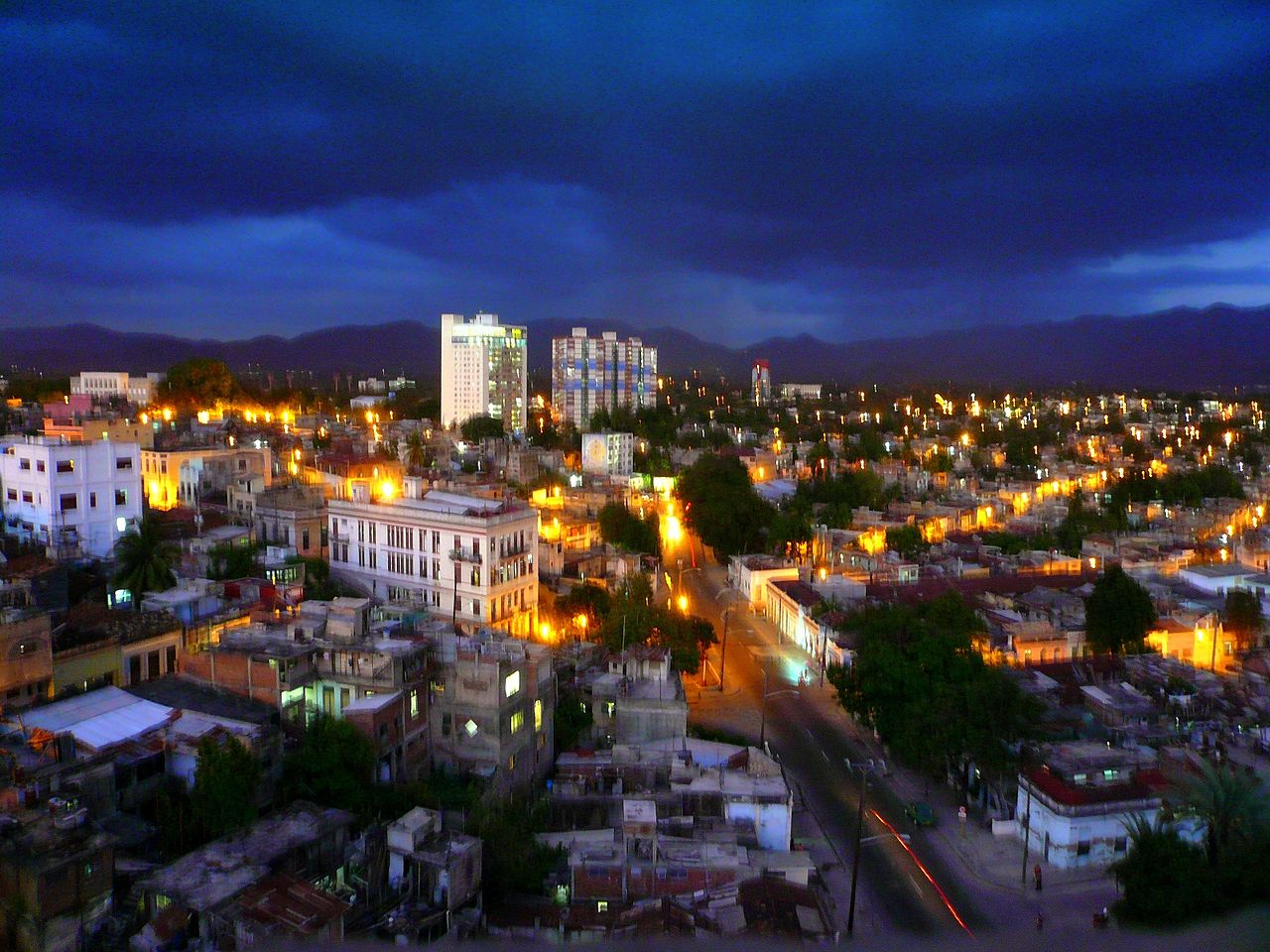
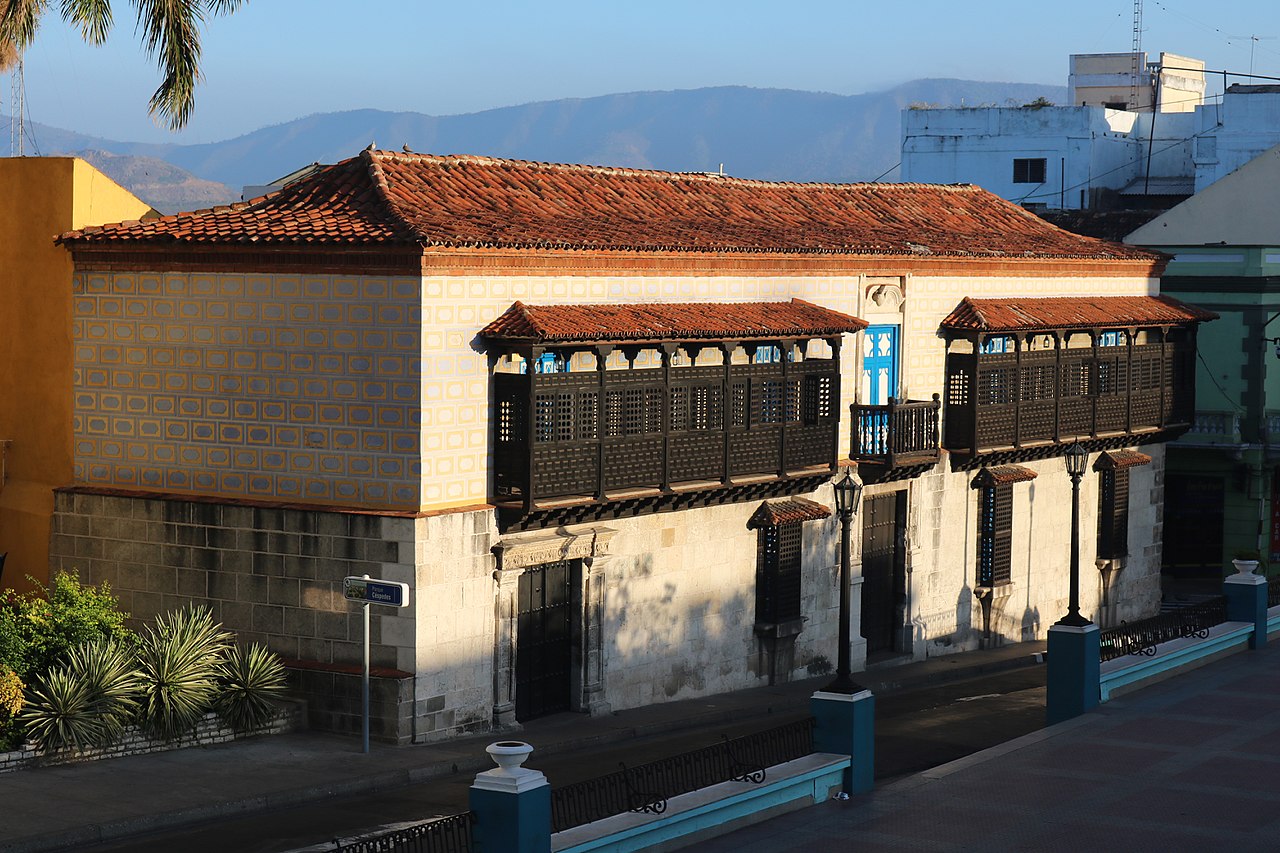
The city lies on a natural bay and is surrounded by hills that form part of the Sierra Maestra foothills. Its coastal location gives Santiago a warm tropical climate and a landscape that blends urban neighborhoods, historic districts and nearby rural communities. The city’s streets, plazas and parks reflect Spanish colonial planning mixed with later 19th- and 20th-century developments.
History and development
Santiago’s origins date to the early colonial period (early 16th century), when Spanish settlers established the town as a strategic port and administrative center. Over the centuries it played a role in colonial defence and commerce; its harbors and fortifications testify to maritime importance. In the 20th century Santiago became notable in Cuba’s revolutionary history — the assault on the Moncada Barracks in 1953 is one of the city’s most widely recognized events.
Culture and music
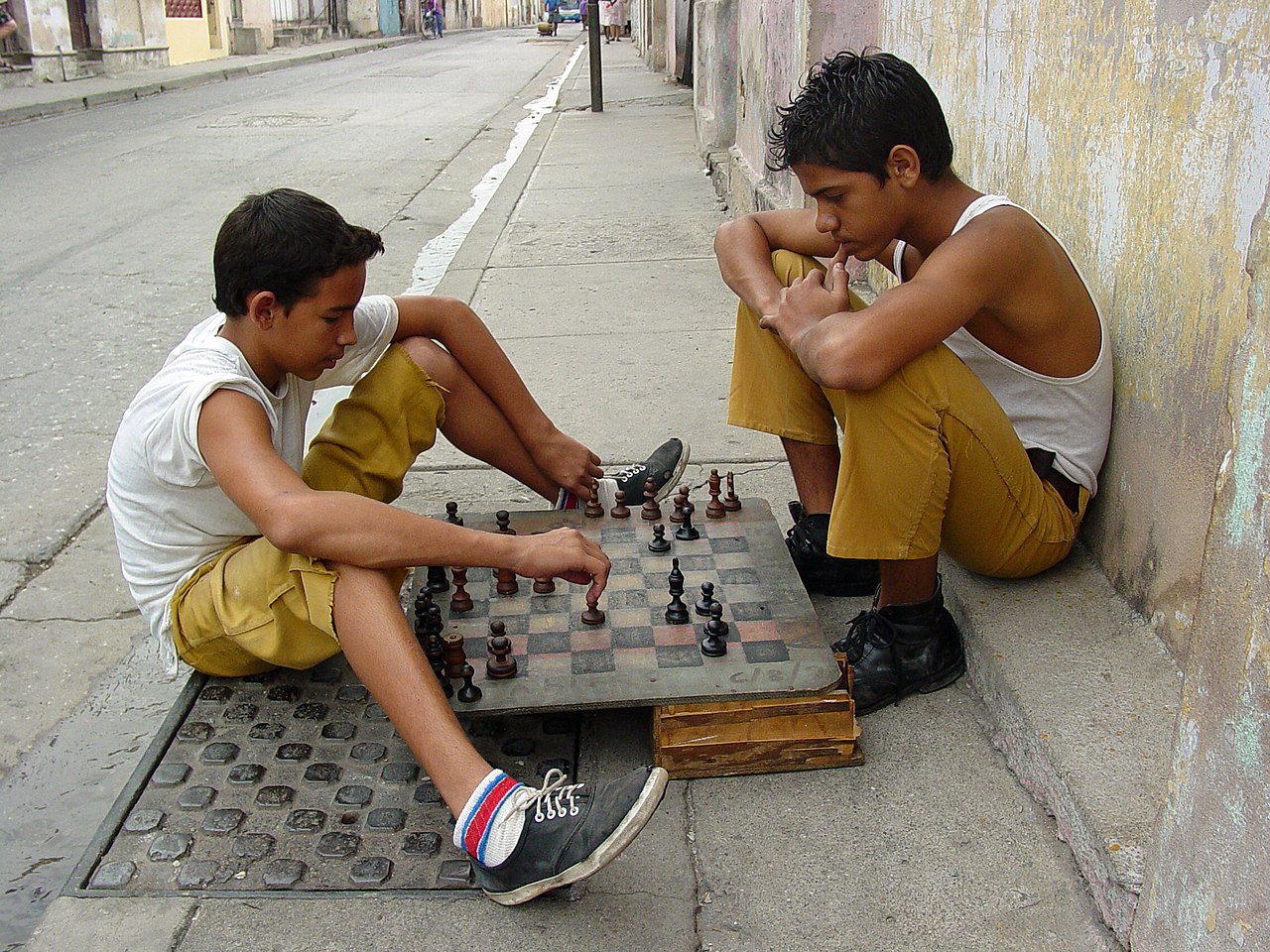
The city is renowned for a vibrant cultural life strongly influenced by Afro-Cuban traditions. It is often cited as a cradle of musical styles that contributed to son and salsa, and it hosts lively street music, dance and religious festivals. Popular celebrations — including an annual summer carnival — showcase drumming, conga lines and syncretic religious practices that are central to local identity.
Economy, tourism and significance
Santiago’s economy combines port activities, light industry, education and tourism. Visitors are drawn by colonial-era architecture, military fortresses, museums and the city’s musical heritage. As a regional center, Santiago functions as a transportation hub linking the interior highlands with coastal trade routes and cultural networks.
Notable sites
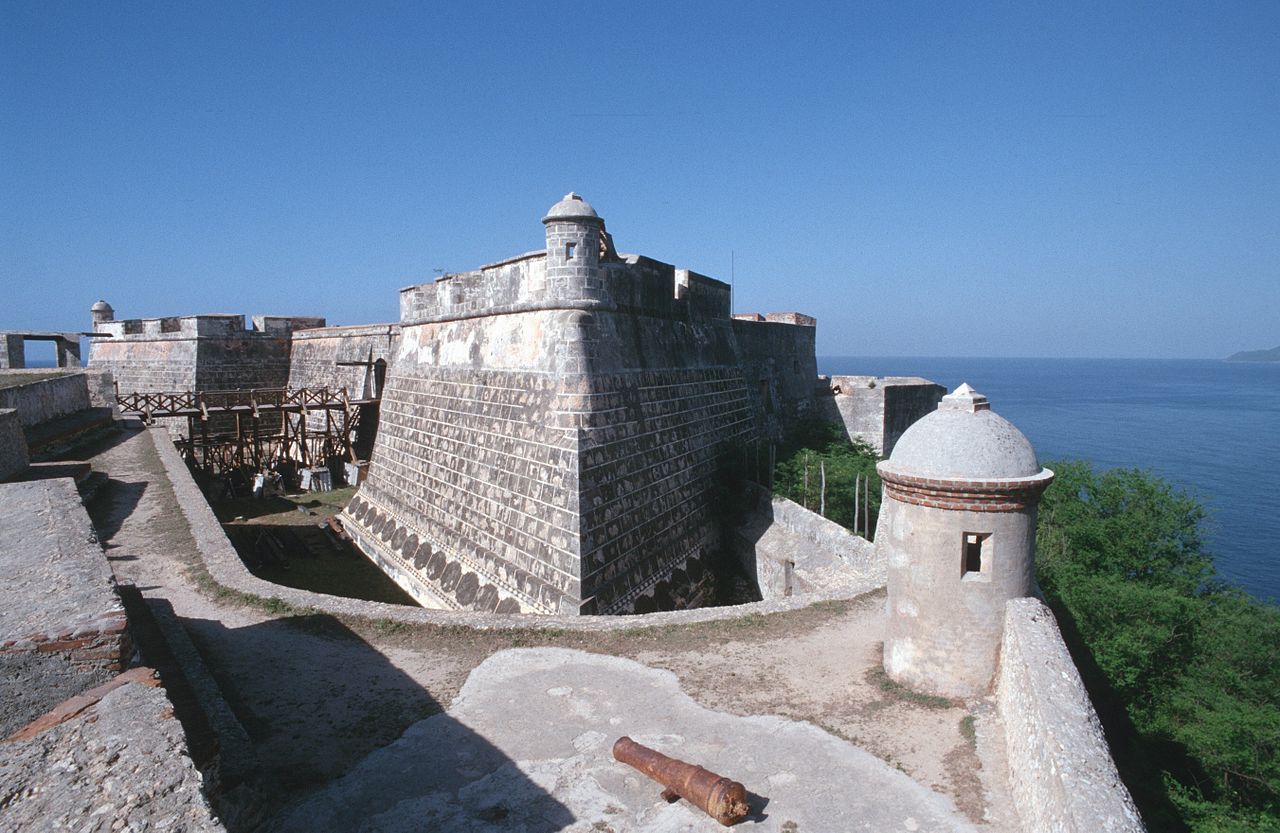
- Castillo de San Pedro de la Roca (a well-preserved coastal fortress and UNESCO-recognized site)
- Moncada Barracks, an important landmark in 20th-century Cuban history
- Historic plazas, churches and museums documenting colonial and revolutionary eras
- Annual carnival and street music districts that highlight the city’s Afro-Cuban culture
For additional context and resources about the city and its province, see general references on Santiago de Cuba and regional overviews at the provincial page Santiago de Cuba Province. Santiago remains a focal point for visitors and scholars interested in Caribbean history, music and urban culture.
Related articles
Author
AlegsaOnline.com Santiago de Cuba Leandro Alegsa
URL: https://en.alegsaonline.com/art/87188
Sources
- atenas.inf.cu : "2004 Population trends, by Province and Municipality"