
Sant'Abbondio — former municipality in Ticino, Switzerland
Sant'Abbondio was a small municipality in the Locarno district of Ticino, Switzerland, merged in 2010 into the new municipality of Gambarogno. Overview, history, geography, and local features.
Sant'Abbondio was a small Swiss municipality in the Locarno district of the canton of Ticino. It occupied part of the Gambarogno area on the lakeside region of northern Lake Maggiore and was one of several neighbouring villages and settlements that shared linguistic, cultural and economic ties typical of southern Switzerland. The name is also used for a historic church in Italy, but the Swiss locality is a separate administrative entity.
Image gallery
4 Images


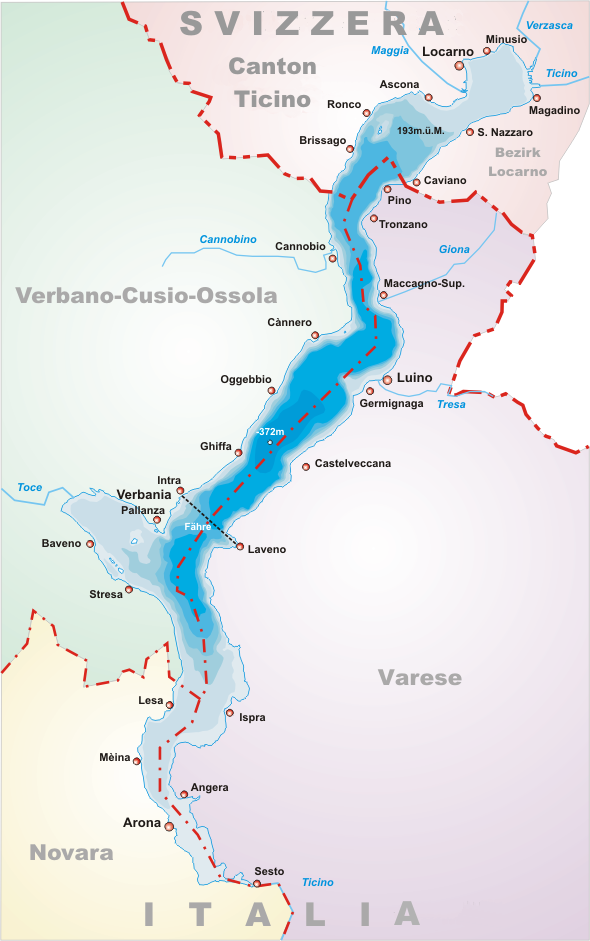
Location and characteristics
The community sat within Ticino, the Italian-speaking canton of Switzerland, and belonged administratively to the District of Locarno. Its terrain combined lakeshore and sloping countryside, with a built environment of residences, small farms and local services rather than extensive industry. The area traditionally relied on cross-border commerce, seasonal tourism and agriculture adapted to the mild lakeside climate.
History and municipal reorganisation
Historically Sant'Abbondio functioned as an independent municipality with local governance, parish life and communal institutions typical of Swiss communes. On 25 April 2010, Sant'Abbondio merged with several neighbouring municipalities to form the new municipality called Gambarogno; this reorganisation aimed to streamline administration and pool resources for services, planning and infrastructure.
Community life, economy and transport
Before the merger, daily life in Sant'Abbondio centred on small-scale commerce, hospitality for visitors to the lake region, and community associations. Transport connections in the Gambarogno area include local roads and public transit serving the corridor along Lake Maggiore that link smaller villages to larger regional centres such as Locarno. Many residents commute to nearby towns for work while some maintain agricultural or tourism-oriented businesses locally.
Notable facts and distinctions
Sant'Abbondio should not be confused with the Romanesque basilica of the same name in Italy; the Swiss locality is primarily notable for its role within the Gambarogno landscape and for taking part in the multi-municipality consolidation of 2010. After the merger, administrative, cultural and development planning for the area has been carried out under the name Gambarogno.
Further information and references
- Municipal archives and records for Sant'Abbondio
- Official information about the canton of Ticino
- Overview of Ticino's culture and language region
- Swiss federal context and administrative structure
- Information on Caviano (neighbouring former municipality)
- Details on Contone and local planning
- Gerra Gambarogno: local history
- Indemini and mountain hamlets in the region
- Magadino: transport and lakeside services
- Piazzogna: settlement pattern and amenities
- San Nazzaro: cultural and environmental notes
- Vira Gambarogno: neighbouring community profile
- Gambarogno: the municipality formed in 2010
For readers seeking maps, demographic details or historical documents, the listed links offer starting points for municipal records, cantonal resources and regional overviews. This summary focuses on the former municipality's role within the wider Gambarogno landscape and its administrative transition into a larger communal structure.
Related articles
Author
AlegsaOnline.com Sant'Abbondio — former municipality in Ticino, Switzerland Leandro Alegsa
URL: https://en.alegsaonline.com/art/87159
Sources
- bfs.admin.ch : Amtliches Gemeindeverzeichnis der Schweiz