
Santander, Spain: Port City and Capital of Cantabria
Santander is a coastal city on Spain's north coast and the capital of Cantabria, known for its natural bay, maritime heritage, beaches, 19th‑century resort architecture, and mild oceanic climate.
Santander is a coastal city in northern Spain, set around a wide natural bay on the Cantabrian Sea. It serves as the political and administrative capital of the autonomous community of Cantabria. The city has a long maritime tradition and functions as a regional hub for commerce, education and tourism. Its population is on the order of a few hundred thousand in the wider urban area, with the municipality itself numbering around 178,000 people in the early 2010s.
Image gallery
10 Images


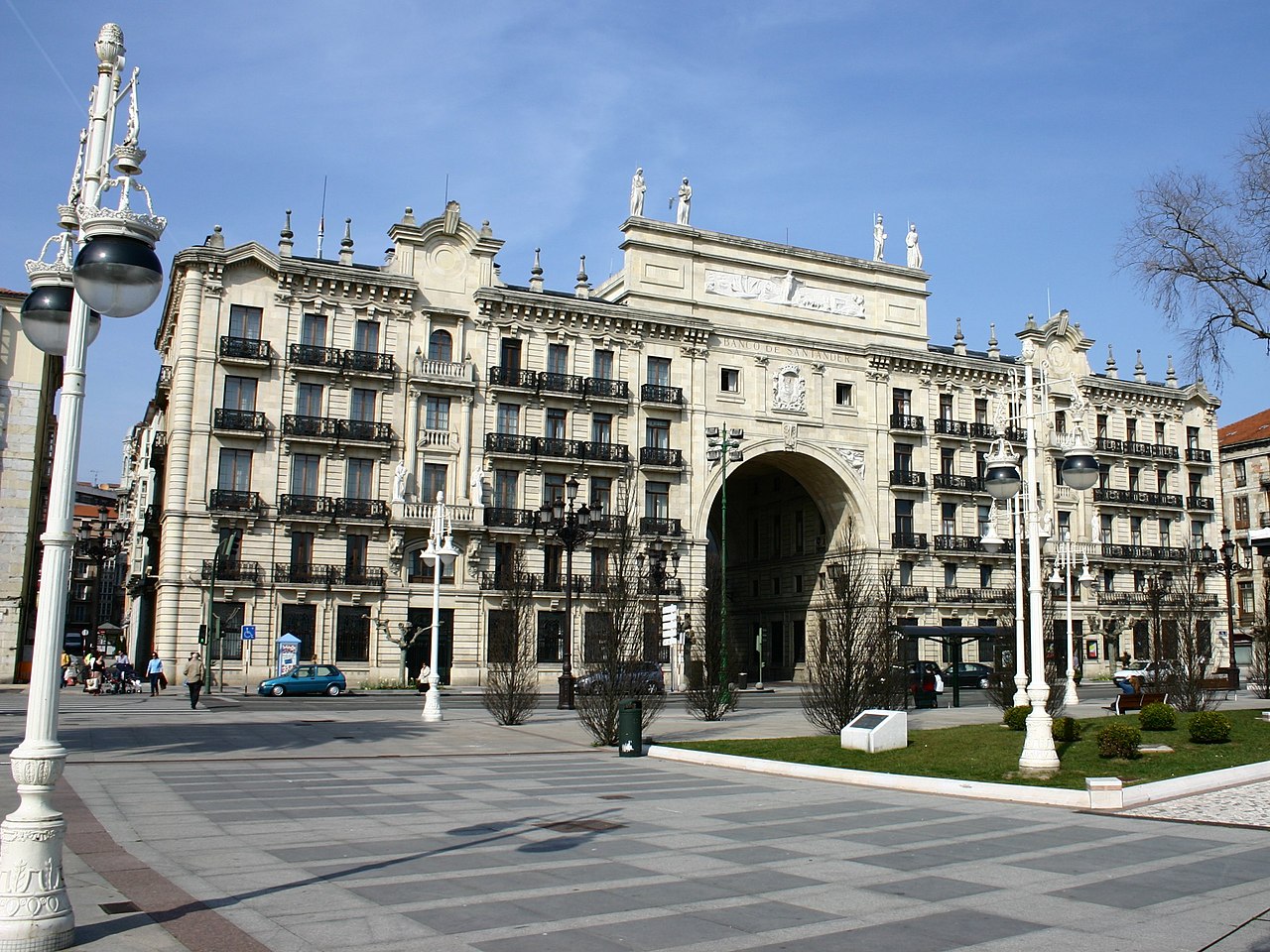


Geography and climate
Santander occupies a sheltered harbour with headlands and small peninsulas that shape the bay. The coastal setting produces an oceanic climate characterized by mild temperatures year‑round, frequent clouds and relatively even rainfall distribution. Visitors and residents enjoy sandy beaches at El Sardinero and green hills rising quickly behind the shoreline, giving the city a compact but varied topography.
History and development
The town grew around its port, serving fishing, coastal trade and shipbuilding. Over centuries it developed from a medieval settlement into a significant regional port. In the 19th and early 20th centuries Santander gained popularity as a seaside resort for Spain's bourgeoisie, which left a legacy of grand promenades and Belle Époque buildings. A catastrophic urban fire in 1941 destroyed much of the historic centre, leading to extensive reconstruction in subsequent decades.
Culture, institutions and economy
Santander hosts cultural venues, museums and institutions such as the maritime museums and the University of Cantabria. Economically it combines services, administrative functions, tourism, port activities and light industry. The city also gave its name to a major Spanish banking group founded there in the 19th century, reflecting Santander's historical links to regional trade and finance.
Attractions and urban character
- Magdalena Peninsula and its small palace, a popular park and viewpoint.
- El Sardinero beaches and coastal promenades favored by holidaymakers.
- Museums, aquarium and cultural festivals that reflect local maritime heritage.
- Livable city centre with parks, seafood restaurants and harbour walks.
Santander is accessible by sea, road and air, and it acts as a gateway to the broader landscapes of Cantabria: green valleys, coastal cliffs and nearby mountain ranges. For concise practical information about its location and administration, see references to the north coast of Spain and the city's role as the capital of the autonomous community at autonomous community level and in Cantabria. For climate specifics consult sources on its oceanic climate.
Today Santander combines its seafaring past with modern urban life: promenades and beaches attract seasonal visitors, while universities and businesses sustain a year‑round local population. Its compact bay and mix of historic and 20th‑century architecture make it a distinct example of a northern Spanish port city.
Questions and answers
Q: Where is Santander located?
A: Santander is located on the north coast of Spain.
Q: What is the importance of Santander?
A: Santander is the capital of the autonomous community of Cantabria.
Q: How many people lived in Santander as of 2013?
A: As of 2013, 178,465 people lived in Santander.
Q: What kind of climate does Santander have?
A: Santander has an oceanic climate, according to the Koeppen climate classification system.
Q: What is the significance of oceanic climate?
A: Oceanic climate is a mild and rainy climate that is moderated by the influence of nearby oceans.
Q: Is Santander a well-known tourist destination?
A: Santander is known for its spectacular scenery, beautiful beaches, and historical landmarks, making it a popular tourist destination.
Q: What are some popular attractions in Santander?
A: Some popular attractions in Santander include Palacio de la Magdalena, Playa del Sardinero, and the Cathedral of Santander.
Related articles
Author
AlegsaOnline.com Santander, Spain: Port City and Capital of Cantabria Leandro Alegsa
URL: https://en.alegsaonline.com/art/87167