
Santana do Paraíso, Minas Gerais (Brazil)
Municipality in the Vale do Aço region of Minas Gerais, Brazil. Founded in 1992, it is a small city near Ipatinga with a largely residential profile and links to the regional steel-based economy.
Overview
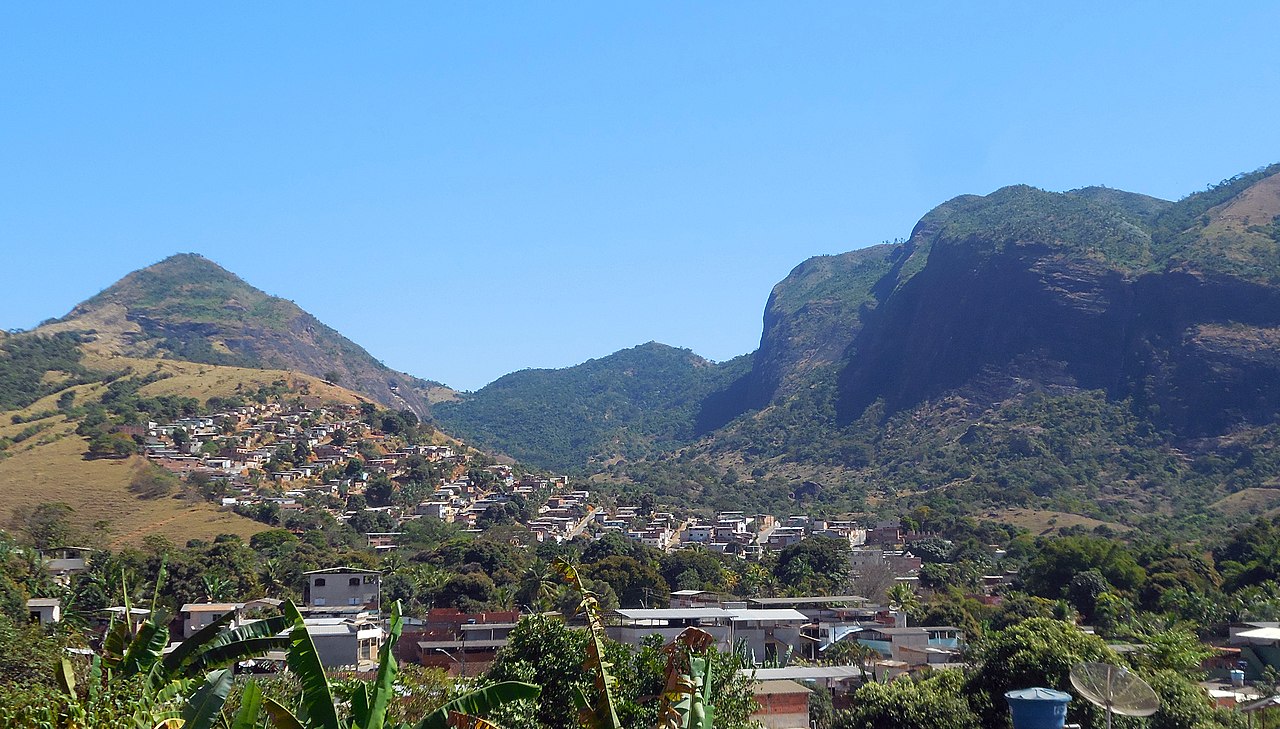
Santana do Paraíso is a municipality in southeastern Brazil located in the Vale do Aço metropolitan area. It lies in the state of Minas Gerais and forms part of a cluster of towns and small cities that grew with the industrialization of the region. The locality has a predominantly urban population and serves as a residential, commercial and local-service center for the surrounding towns.
Image gallery
10 Images




Key facts
The municipality was officially established on April 28, 1992. Early 21st-century figures recorded a population of about 24,700 inhabitants (2009) and an area of roughly 275.5 square kilometers. These figures are approximate and used here to provide a sense of scale rather than precise current counts.
Location and borders
Santana do Paraíso sits within the Vale do Aço conurbation, a name that reflects the region's historical connection to iron and steel activities. It is adjacent to several neighboring municipalities, including:
- Belo Oriente
- Mesquita
- Ipatinga
- Caratinga
- Ipaba
The city forms part of a network of communities whose economies and daily life are integrated by commuting, commerce and shared infrastructure. For regional context, see general information on the Vale do Aço area via regional resources and broader Brazilian municipal data at national references.
Economy and role
Although smaller than some neighboring industrial centers, Santana do Paraíso plays a supporting role in the regional economy. Its economy is a mix of local commerce, services, small manufacturing and residential neighborhoods for workers employed in nearby industrial hubs. Public services, education and small businesses are important employers in the municipality.
History and development
The municipality's creation in 1992 reflects a common pattern in Brazil where growing urbanized districts seek administrative autonomy. Its development has been shaped by proximity to larger cities in the Vale do Aço, which influenced land use, population growth and the local labor market. Infrastructure and urban planning have evolved to accommodate both local needs and connections to the wider metropolitan area.
Notable considerations
Santana do Paraíso is often mentioned in discussions of regional planning, metropolitan integration and local governance in Minas Gerais. Its small size and recent municipal status make it an example of communities that balance local identity with participation in a larger industrial and urban region.
Related articles
Author
AlegsaOnline.com Santana do Paraíso, Minas Gerais (Brazil) Leandro Alegsa
URL: https://en.alegsaonline.com/art/87164