
San Ramon, California — city in the San Ramon Valley
San Ramon is a suburban city in Contra Costa County, California, located in the East Bay’s San Ramon Valley. Known for business parks, parks and trails, it has grown rapidly since incorporation in 1983.
San Ramon is a suburban city in the East Bay region of the San Francisco Bay Area. It lies within Contra Costa County and the long, narrow San Ramon Valley, roughly 34 miles east of San Francisco. The community sits in the state of California, in the United States, and has been among the faster-growing municipalities in its county. The U.S. population estimate in mid-2015 placed the city at about 76,134 residents, according to the U.S. Census Bureau.
Image gallery
10 Images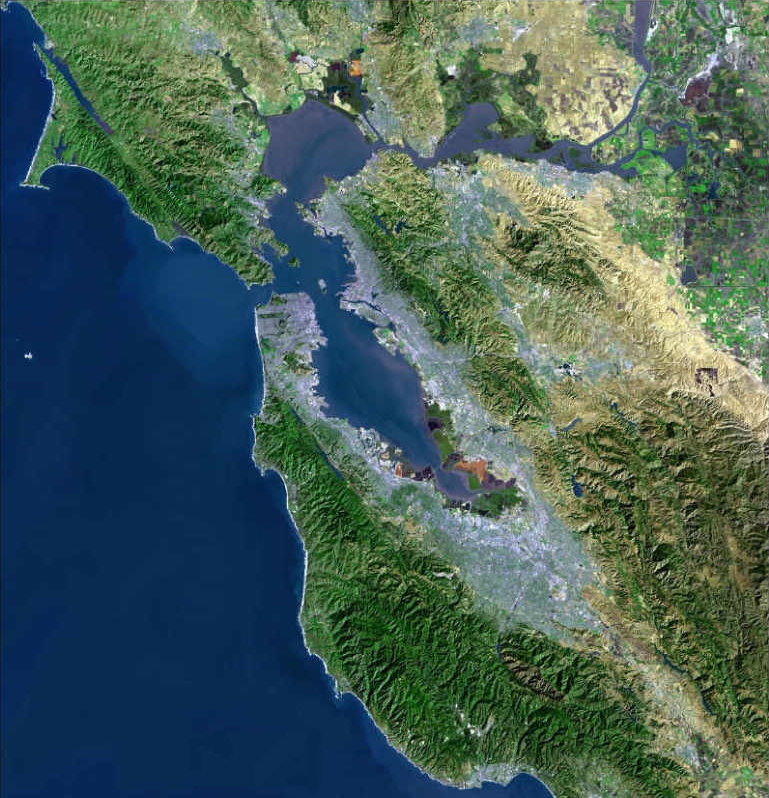





Geography and character
San Ramon is framed by rolling hills and open space to the north and south, with residential neighborhoods, civic centers and business parks concentrated in the valley floor. The city combines planned subdivisions, medium-density housing, and preserved natural areas. A network of regional and local trails links parks, schools and neighborhoods, while several community facilities host cultural and recreational programs.
History and development
The area originally belonged to Indigenous peoples and later became part of Spanish and Mexican-era ranchos. During the 19th and 20th centuries it evolved from agricultural lands to a suburban community. San Ramon incorporated as a city in the early 1980s and experienced substantial residential and commercial growth in the decades that followed, including development of large office complexes that transformed its local economy.
Economy, education and amenities
San Ramon hosts major office parks and business campuses that accommodate regional offices and corporate headquarters. The local public school system serves families across the valley and private schools and community colleges are also accessible nearby. Parks, preserved open space and community centers are important local amenities.
Notable features
- Major business and office parks that shape the local employment base.
- Extensive trail systems and regional open space for hiking and biking.
- Community facilities, parks, and family-oriented services.
Connectivity and regional role
San Ramon is one of Contra Costa County’s larger cities and is commonly compared with neighboring urban centers: Richmond, Concord and Antioch. It serves as a residential, commercial and employment hub within the East Bay, with road connections to other Bay Area communities and transit options that link residents to the broader region.
Related articles
Author
AlegsaOnline.com San Ramon, California — city in the San Ramon Valley Leandro Alegsa
URL: https://en.alegsaonline.com/art/86917
Sources
- census.gov : "Population estimates, July 1, 2015, (V2015)"