
Concord, California
Concord is the largest city in Contra Costa County, California. Founded in 1869 as Todos Santos, it is an East Bay suburban and commercial center east of San Francisco with parks, markets and transit links.
Overview
Concord is the largest city in Contra Costa County, located in California in the United States. At the time of the 2010 census the population was 122,067. The city functions as a suburban and commercial hub in the eastern portion of the San Francisco Bay Area, combining residential neighborhoods, shopping districts and municipal parks. Its central public square and performing arts venues draw visitors from across the region.
Image gallery
10 Images




History
The Concord area was originally inhabited by Indigenous peoples before becoming part of a Mexican land grant in the 19th century. The modern community was founded in 1869 and was first named Todos Santos; the name was later changed to Concord. Ranching and agriculture shaped the early economy, and the arrival of rail and road connections in the late 19th and early 20th centuries encouraged growth. Throughout the 20th century Concord transitioned into a suburban city serving the expanding Bay Area population.
Geography and climate
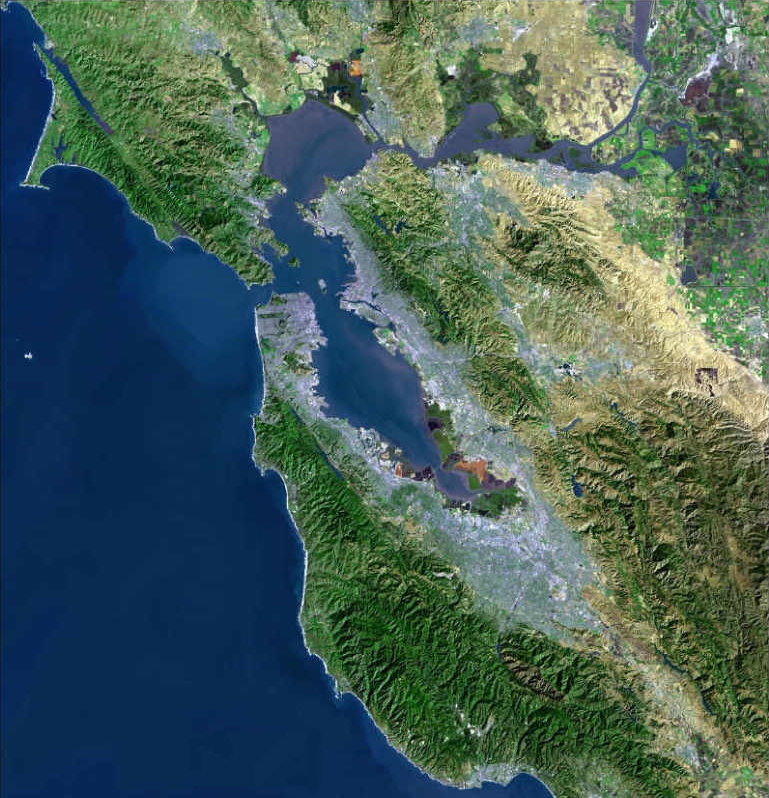
Concord lies near the base of Mount Diablo and sits roughly 31 miles (50 km) east of San Francisco. The city experiences a Mediterranean climate with warm, dry summers and mild, wetter winters. Its landscape includes urban neighborhoods, landscaped plazas and access to regional open space areas on the slopes of Mount Diablo, which provide trails and scenic views of the Bay Area.
Demographics
Concord is a diverse suburban community that includes long-established neighborhoods and newer residential developments. The city has a mix of age groups and household types, and serves as a regional center for shopping and services for surrounding municipalities. Since 2010 the population and housing have evolved with continuing residential and commercial development typical of Bay Area suburbs.
Economy and culture
The local economy encompasses retail, healthcare, education, professional services and light industry. Public institutions and regional service providers are also important employers. Cultural life centers on public gatherings, markets, seasonal festivals and performances. A downtown plaza hosts farmers' markets and community events, while an outdoor amphitheater presents concerts and touring shows.
Transportation
Concord is connected to the wider Bay Area by a network of highways and public transit. Interstate routes and regional bus services provide automobile and commuter access, and the regional rail transit system links Concord with other Bay Area job centers. These transportation connections make Concord a commuter and commercial hub in the East Bay.
Education and government
Public education in Concord is provided through local elementary and secondary school districts and nearby community college campuses and adult education programs serve residents. Local government includes elected officials and municipal departments responsible for planning, public safety and city services; the city participates in regional planning efforts with neighboring jurisdictions.
Parks, recreation and landmarks
Concord offers public parks, community centers and civic facilities. Outdoor recreation includes neighborhood parks, sports fields and access to regional open space on Mount Diablo. Landmarks and civic spaces like the central plaza and the regional amphitheater are focal points for festivals, markets and cultural events that attract residents and visitors alike.
Role in the region
As the largest municipality in its county, Concord plays a significant role in local and regional services. It balances residential neighborhoods with commercial corridors and transportation links to the broader San Francisco Bay Area, serving as both a local center for daily life and as a destination for entertainment and shopping in Contra Costa County.
- Founded: 1869 (originally named Todos Santos)
- 2010 population: 122,067 (census)
- Distance to San Francisco: 31 miles / 50 km (San Francisco)
Questions and answers
Q: What is the population of Concord, California according to the 2010 census?
A: The population of Concord, California according to the 2010 census is 122,067 people.
Q: When was Concord founded?
A: Concord was founded in 1869.
Q: What was the original name of Concord, California?
A: The original name of Concord, California was Todos Santos.
Q: Why was the name of Concord, California changed?
A: The name of Concord, California was changed because it was soon after its founding decided that the name Todos Santos was not suitable.
Q: How far is Concord, California from San Francisco?
A: Concord, California is 31 miles or 50 km east from San Francisco.
Q: What is the largest city in Contra Costa County, California?
A: Concord is the largest city in Contra Costa County, California.
Q: What is the significance of Concord?
A: Concord is a significant city in Contra Costa County, California with a rich history and a large population. It is also situated relatively close to San Francisco.
Related articles
Author
AlegsaOnline.com Concord, California Leandro Alegsa
URL: https://en.alegsaonline.com/art/22402
Sources
- ci.concord.ca.us : "Mayor and City Council"
- census.gov : U.S. Census
- geonames.usgs.gov : U.S. Geological Survey Geographic Names Information System: Concord, California
- ci.concord.ca.us : City of Concord City Profile
- books.google.com : The Port Chicago Mutiny
- worldcat.org : 63179024
- concordnws.org : Concord Navel Weapons Station Reuse Information Portal
- concordreuseproject.org : About the City of Concord Community Reuse Project
- contracostatimes.com : "Concord Naval Weapons Station"
- mdusd.org : Mt. Diablo USD Schools
- dlshs.org : De La Salle High School: Home
- carondelet.net : Carondelet High School: Home
- ci.concord.ca.us : Official Camp Concord homepage