
San Salvador — capital of El Salvador
San Salvador is the political, cultural and economic center of El Salvador, known for its colonial origins, volcanic skyline, and role as the nation's largest urban area.
San Salvador is the capital and largest city of El Salvador. Located in a highland valley in the center of the country, the city serves as the primary seat of government, a hub for finance and commerce, and a focal point for national transportation and higher education. It combines modern commercial districts with historical plazas and nearby natural landmarks.
Image gallery
10 Images






Geography and notable landmarks
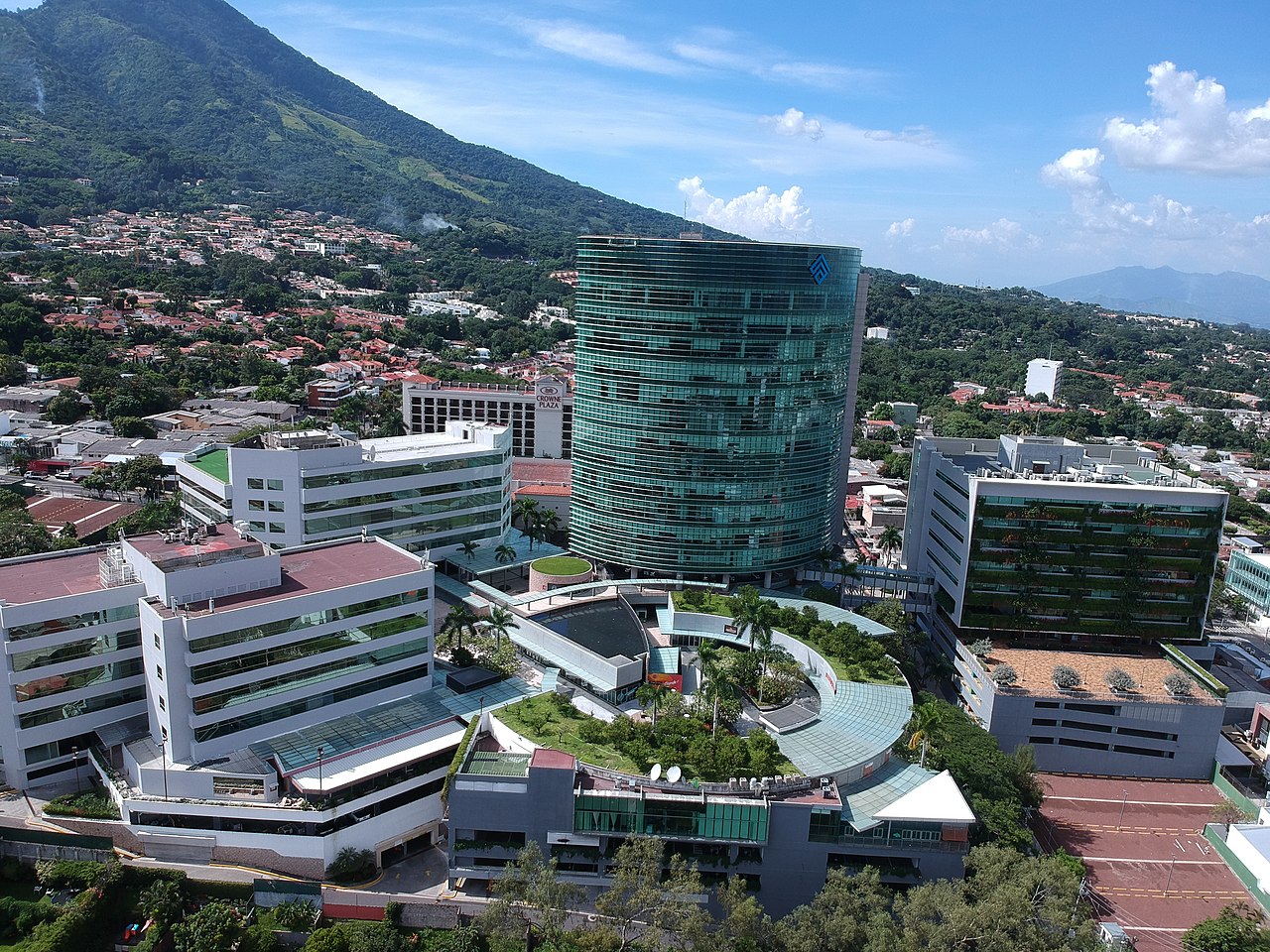
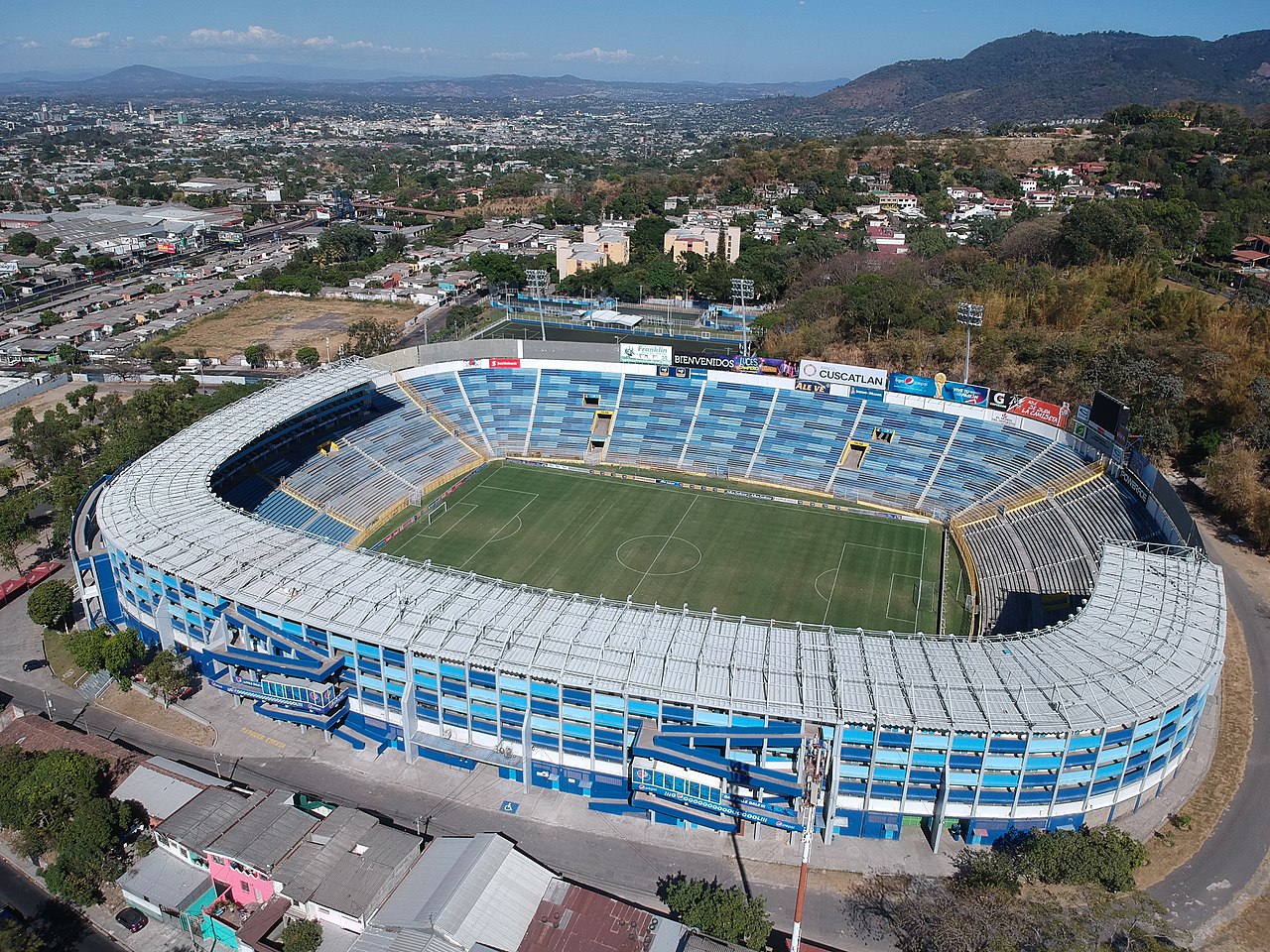
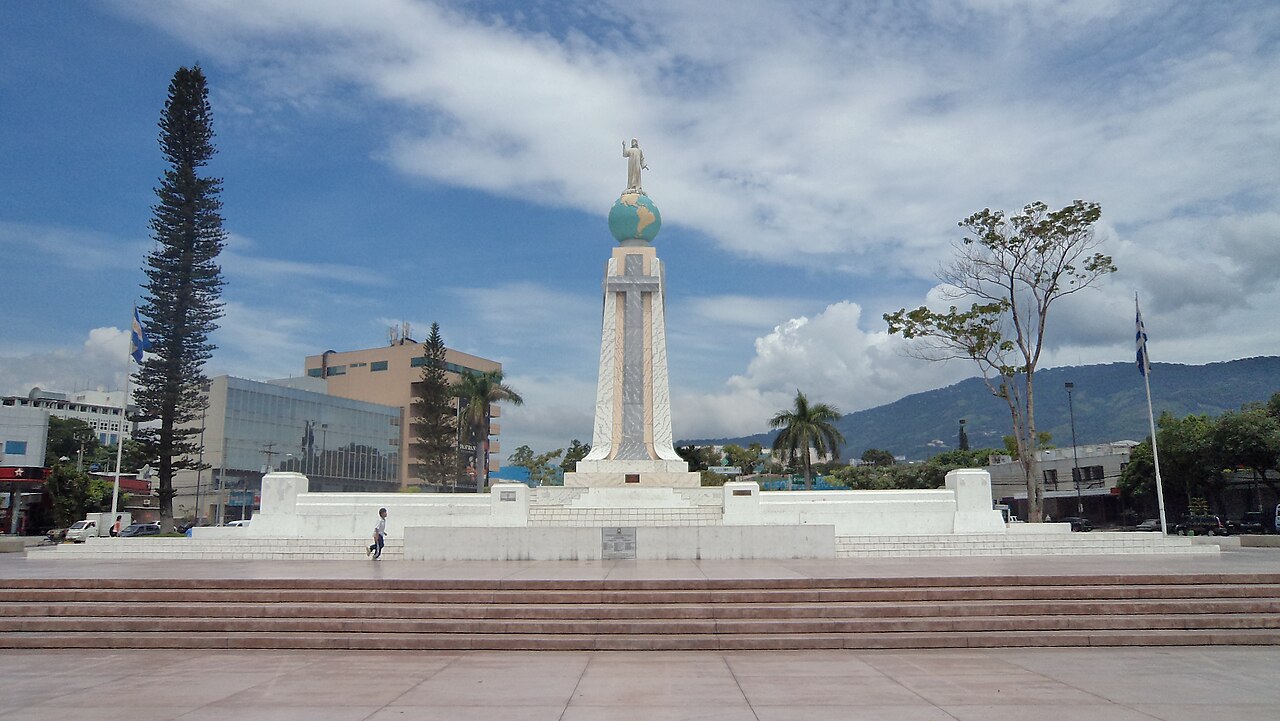
The city lies beneath the imposing San Salvador volcano, whose crater, known as El Boquerón, is a prominent local feature. Urban neighbourhoods surround central plazas and civic buildings such as the Metropolitan Cathedral, the National Palace, and cultural institutions like the National Theatre and the Museo de Arte de El Salvador (MARTE). Parks, markets and busy commercial avenues characterize the metropolitan landscape.
History and development
San Salvador grew from a colonial settlement established during the Spanish conquest and later expanded as the country’s administrative center. Its development has been shaped by political changes, economic migrations and periodic natural disasters. Earthquakes and volcanic activity have repeatedly affected the built environment, prompting reconstruction and urban planning efforts over time.
Economy, culture and society
The city is the country’s economic engine, concentrating banks, retail, government institutions and service industries. Cultural life ranges from traditional markets and religious festivals to contemporary music venues, museums and universities. Cuisine in San Salvador reflects local and regional traditions, with street food and restaurants serving Salvadoran staples.
Transport and urban issues
San Salvador functions as a transport nexus with road and public transit links to other regions; the main international airport is located outside the central city. Like many large urban areas, it faces challenges such as traffic congestion, housing pressure and the need for resilient infrastructure against seismic and volcanic risk.
As El Salvador’s principal city, San Salvador remains central to the country’s political life, cultural identity and ongoing urban evolution.
Related articles
Author
AlegsaOnline.com San Salvador — capital of El Salvador Leandro Alegsa
URL: https://en.alegsaonline.com/art/86922