
San Luis Province — geography, history, economy and notable sites
San Luis is a central-west Argentine province known for its varied landscapes: sierras, salt flats and protected parks such as Sierra de las Quijadas and the Pampa de las Salinas.
Overview
San Luis Province lies in the central-west of Argentina. It is a politically distinct province with its own capital and government, combining lowland plains and mountain ranges. The region is noted for a mix of agricultural plains, dry salt pans and scenic rocky sierras.
Image gallery
9 Images




Geography and environment
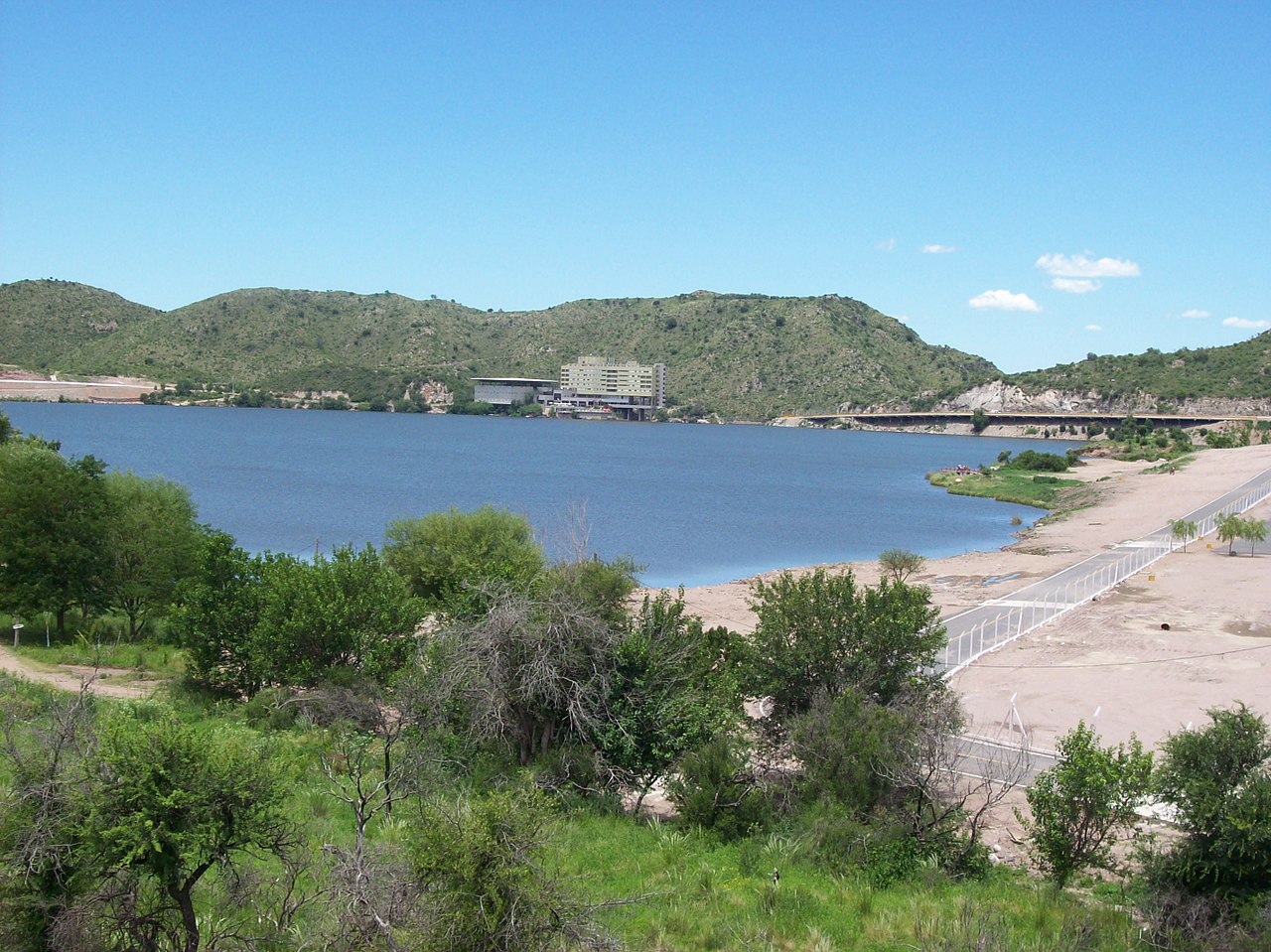
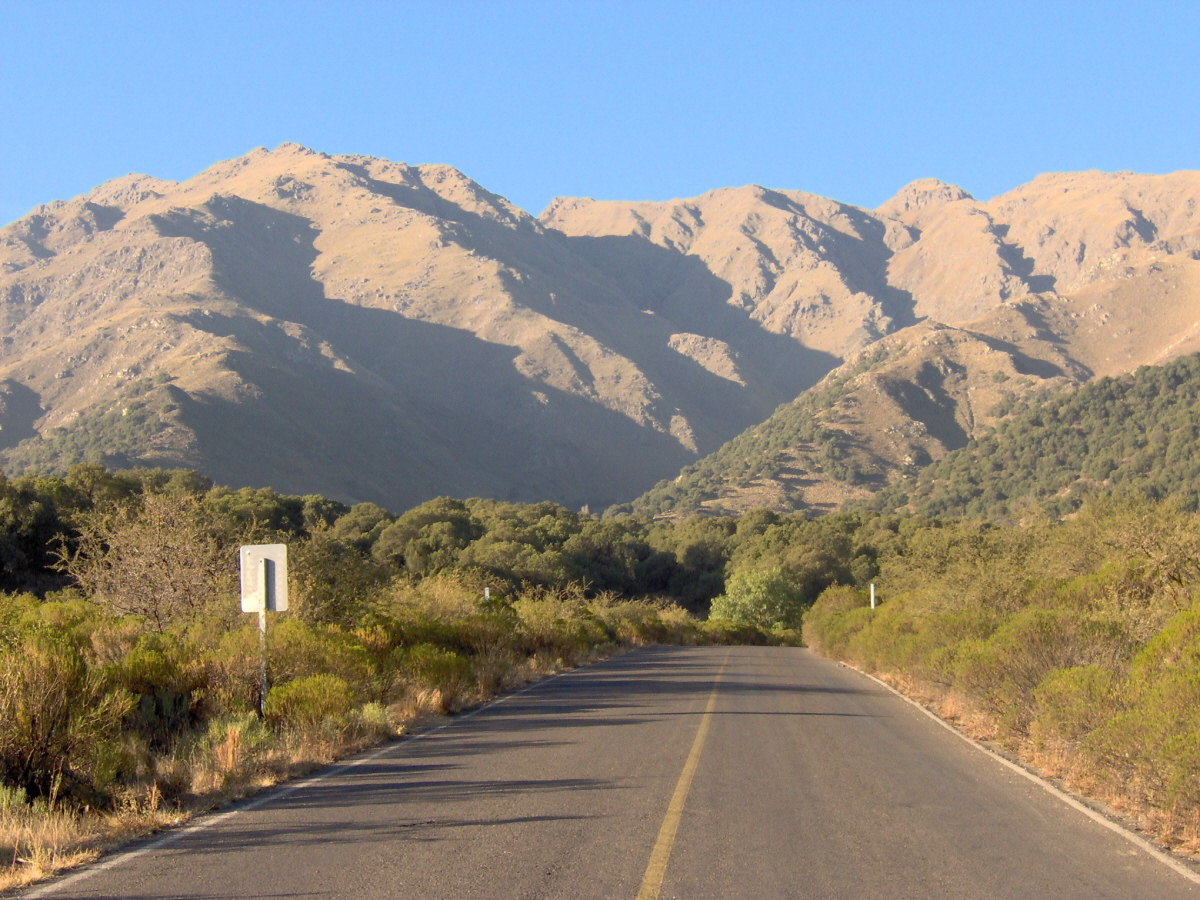
The landscape ranges from broad, flat pampas to isolated mountain chains. Semi-arid basins alternate with wooded valleys and abrupt red sandstone formations. Large evaporitic depressions form salt flats such as the Pampa de las Salinas, an extensive saline plain that influences local hydrology and vegetation. Elevation and orientation of the sierras create marked local climate differences.
History and development
Indigenous peoples inhabited the area before Spanish contact; later settlement and colonial routes shaped towns and ranching traditions. With the formation of the Argentine state, San Luis developed provincial institutions and transport links that tied it more closely to neighboring provinces. Archaeological and paleontological discoveries in exposed sedimentary formations have also attracted scientific interest.
Economy, land use and tourism
The provincial economy mixes livestock and irrigated agriculture with mining and services. Tourism emphasizes natural attractions and outdoor recreation: hiking in the sierras, birdwatching around saline basins, and visits to geological parks. The Sierra de las Quijadas National Park is a prominent protected area known for dramatic cliffs, fossil beds and scenic canyons.
Notable facts and distinctions
- Ecological variety: dry salt pans, fertile valleys and mountain habitats support distinct plant and animal communities.
- Scientific value: exposed strata preserve important geological and paleontological records.
- Recreation and conservation: national and provincial parks protect landscapes while supporting eco-tourism.
Visitors and researchers alike value San Luis for its contrasts—broad open plains, stark salt flats and sculpted red-rock sierras—offering both cultural heritage and natural sciences opportunities.
Related articles
Author
AlegsaOnline.com San Luis Province — geography, history, economy and notable sites Leandro Alegsa
URL: https://en.alegsaonline.com/art/86876