
Samkranthi (Makar Sankranti): India's mid-January solar and harvest festival
Samkranthi (Makar Sankranti) is a pan-Indian mid-January solar festival marking the Sun's entry into Capricorn; celebrated as a harvest festival with regional names, foods, kite flying, bonfires and river rituals.
Samkranthi, commonly known as Makar Sankranti, is a major Indian festival observed in mid-January to mark the Sun's apparent transit into Makara (Capricorn). The event is one of the few Hindu festivals based on the solar calendar rather than the lunar cycle, which is why it usually falls on 14 or 15 January each year. For many communities it signals the end of winter, the coming of longer days and the close of the harvest season. For background and regional overviews see regional summaries.
Image gallery
10 Images




Significance and astronomical basis
Traditionally the festival commemorates the Sun's movement into the Makara rashi and the beginning of the Sun's northward journey (uttarayana) across the sky. In religious literature and popular belief this transition is considered auspicious. Because Sankranti follows the solar sidereal system, its timing differs from the movable lunar festivals; the date is effectively fixed in the Gregorian calendar but may appear shifted by a day depending on local calculations. For concise astronomical notes consult astronomical summaries.
Regional names and customs
Samkranthi is a pan-Indian festival, but it takes many local forms and names. Examples include:
- Punjab and northern states: Lohri and associated bonfires, songs and communal gatherings.
- Tamil Nadu: Pongal, a four-day rural and family harvest celebration centering on freshly harvested rice and milk-based dishes.
- Gujarat: Uttarayan, widely known for mass kite flying especially in Ahmedabad.
- Andhra Pradesh and Telangana: Pedda Panduga and Sankranti traditions with festivities, cattle fairs and sweets.
- Assam: Magh Bihu (or Bhogali Bihu), marked by community feasts and bonfires.
Common practices, foods and social importance
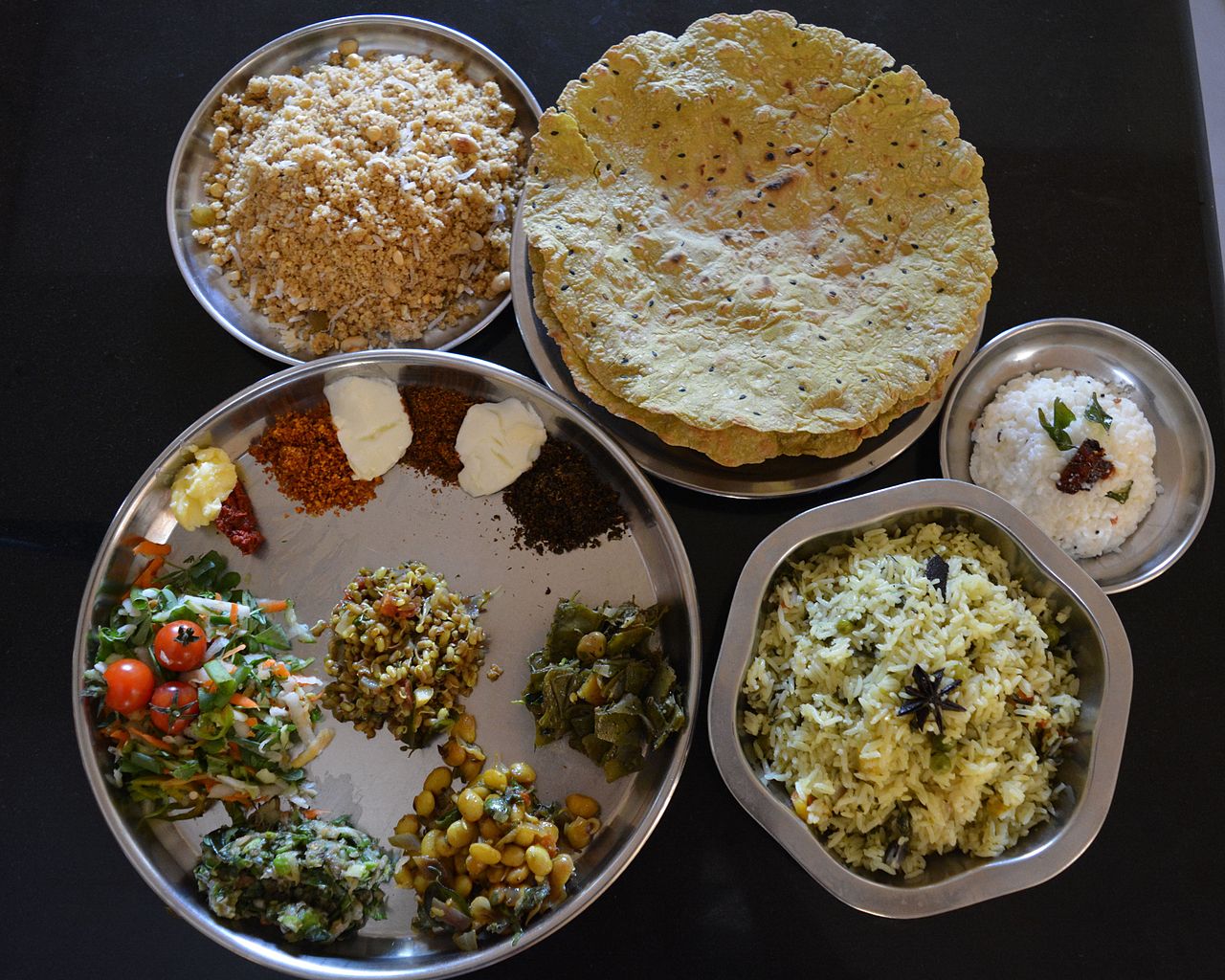
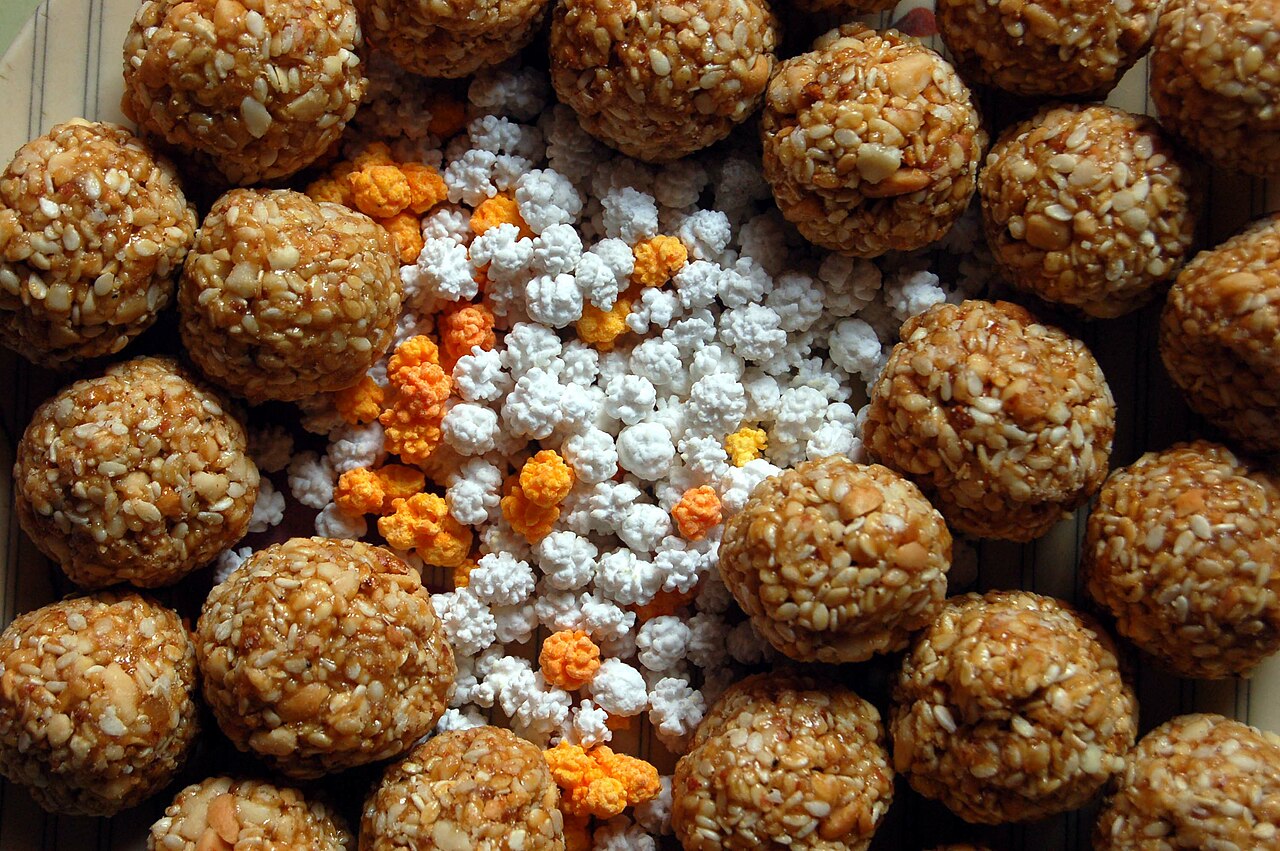
Typical observances include cleaning homes, decorating with rangoli or kolam, exchanging gifts and preparing special foods made from newly harvested crops. Sesame (til) and jaggery sweets symbolize warmth and sweetness and are widely distributed as tokens of goodwill. Regional dishes include pongal in Tamil Nadu, til-gul in Maharashtra, and various rice-based and sugarcane offerings elsewhere. Kite flying, cattle worship, bathing in sacred rivers and visiting temples are widespread.
History and cultural context
References to the solar transition and seasonal rites appear in classical Indian texts and agrarian traditions. Over centuries Samkranthi became associated with harvest thanksgiving and local folk customs, absorbing different rituals across linguistic and cultural regions. While the festival retains common themes—gratitude for crops, community gatherings and the marking of seasonal change—its expressions reflect local ecology and social life.
For additional context and comparative descriptions see related cultural resources. Samkranthi remains one of India’s most widely observed seasonal celebrations, notable for combining simple agrarian origins with varied regional pageantry and shared seasonal meaning.
Related articles
Author
AlegsaOnline.com Samkranthi (Makar Sankranti): India's mid-January solar and harvest festival Leandro Alegsa
URL: https://en.alegsaonline.com/art/86691