
Sámi languages
A concise, neutral overview of the Sámi languages: classification, features, history, present status, and notable distinctions among the varieties spoken across northern Europe.
Overview
The Sámi languages form a branch of the Uralic family and are spoken by the Sámi peoples of northern Europe. They occur across parts of Norway, Sweden, Finland and the Kola Peninsula of Russia. As members of the Uralic family, the Sámi varieties are related to but distinct from other Uralic languages; they share historical ties with, and some structural similarities to, languages such as Finnish, Estonian and Hungarian, but are not mutually intelligible with those languages.
Image gallery
10 Images


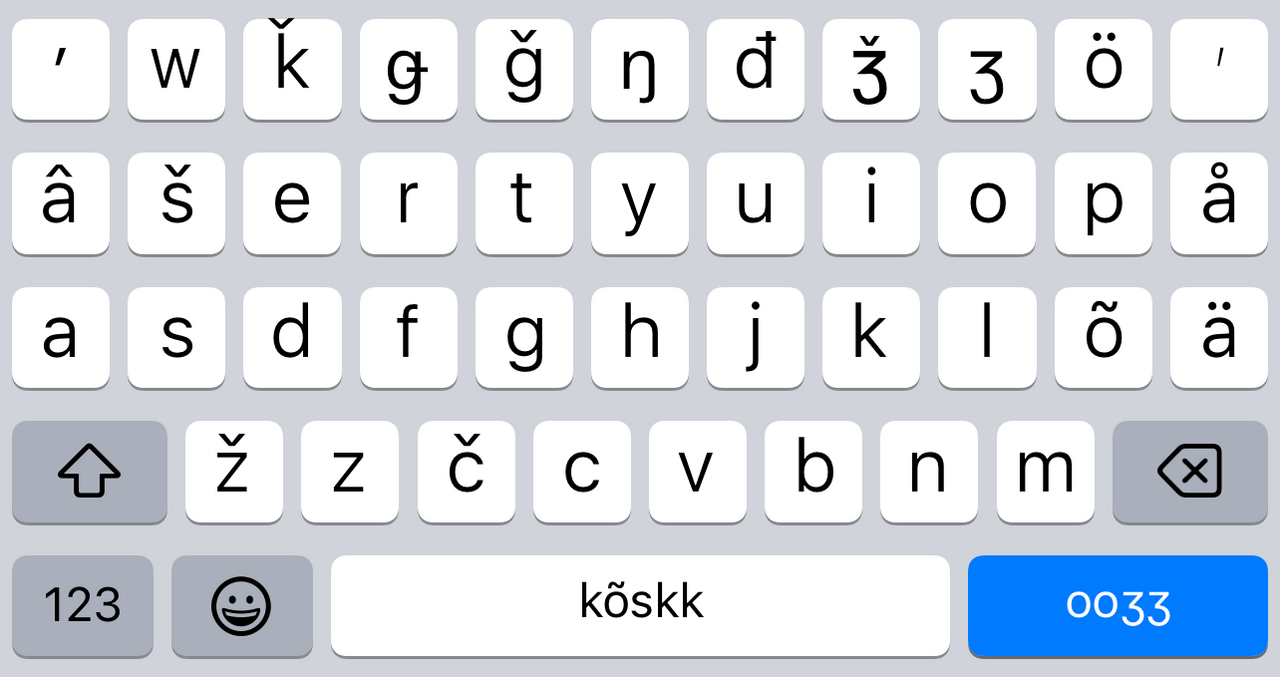


Classification and major varieties
Reference works note that the Sámi speech forms have sometimes been described as dialects, yet many are sufficiently different to be treated as separate languages. The scholarly view summarized by reference encyclopedias emphasizes that many Sámi varieties are not mutually intelligible. Linguists commonly distinguish several main groups and a number of individual languages; a non-exhaustive list of well-known varieties includes:
- Northern Sámi (the largest single Sámi language)
- Lule Sámi
- Southern Sámi
- Inari Sámi
- Skolt Sámi
- Kildin Sámi and other eastern Sámi varieties
- Ume Sámi, Pite Sámi and other smaller varieties
Linguistic characteristics
Sámi languages share several structural traits with other Uralic languages while also showing features shaped by long contact with neighbouring Indo-European tongues. Their grammars are typically agglutinative, with extensive case systems and rich verb morphology; many have consonant gradation and a set of inflectional patterns familiar from other northern Uralic languages. At the same time, aspects of syntax and vocabulary have been influenced by centuries of contact with Scandinavian languages and, in the east, with Russian; historical language contact is an important factor in the modern diversity of Sámi speech forms and their structural influences.
History and development
The Sámi languages emerged within the wider Uralic family and developed locally over many centuries as Sámi communities adapted to diverse environments across Fennoscandia and the Kola Peninsula. Limited historical documentation meant that modern linguistic description accelerated only in the 19th and 20th centuries, when fieldwork, orthography development and comparative study clarified relationships among varieties. The different trajectories of western and eastern Sámi, and the varying intensity of contact with Norse, Swedish, Finnish and Russian, account for much of the internal diversity seen today.
Status, revitalization and use
Northern Sámi is the most widely spoken Sámi language and is used in education, broadcasting and some public administration in parts of Norway, Sweden and Finland. Many other Sámi languages have relatively small speaker populations and are classified as endangered; community-led revitalization, bilingual schooling, media in Sámi and orthography standardization are among the measures undertaken to support them. Writing systems vary: several western Sámi languages use Latin-based scripts, while some eastern varieties, such as Kildin Sámi, use Cyrillic adaptations.
Notable distinctions and contemporary relevance
Important distinctions to bear in mind are the difference between linguistic varieties that are mutually intelligible versus those that are not, the existence of multiple scripts, and the sociolinguistic contrast between languages with institutional support and those with few speakers. Sámi languages are central to Sámi cultural identity and to regional multilingual policy debates. For further background on classification, history and contemporary policy, see specialist sources and overviews provided by linguistic and cultural institutions.
For general reading on the family and comparative perspective, consult materials linked to the term related languages and the other resources cited above.
Related articles
Author
AlegsaOnline.com Sámi languages Leandro Alegsa
URL: https://en.alegsaonline.com/art/86678
Sources
- britannica.com : britannica.com/topic/Sami-language
- britannica.com : "East Sami language"
- ethnologue.com : "Saami, South"
- ethnologue.com : "Saami, Ume"
- ethnologue.com : "Saami, Pite"
- ethnologue.com : "Saami, Lule"
- ethnologue.com : "Saami, North"
- ethnologue.com : "Saami, Inari"
- ethnologue.com : "Saami, Skolt"
- ethnologue.com : "Saami, Kildin"
- pravdareport.com : "The 5 Smallest Languages of the World"
- ethnologue.com : "Saami, Ter"