
Sami people (Saami): Indigenous inhabitants of Sápmi
The Sami are the Indigenous people of Sápmi in northern Europe, with distinct languages, cultures, and livelihoods—most famously reindeer herding—spread across Norway, Sweden, Finland and Russia.
The Sami are an Indigenous ethnic group whose traditional territory is called Sápmi. Sápmi covers parts of northern Scandinavia and adjacent regions in Northern Europe, including areas within present-day Norway, Sweden, Finland and the Kola Peninsula of Russia. Population estimates vary: most sources place the number of people who identify as Sami in the tens of thousands, with commonly cited ranges beginning around 80,000 and varying upward depending on criteria and country.
Image gallery
10 Images


Culture and traditional livelihoods
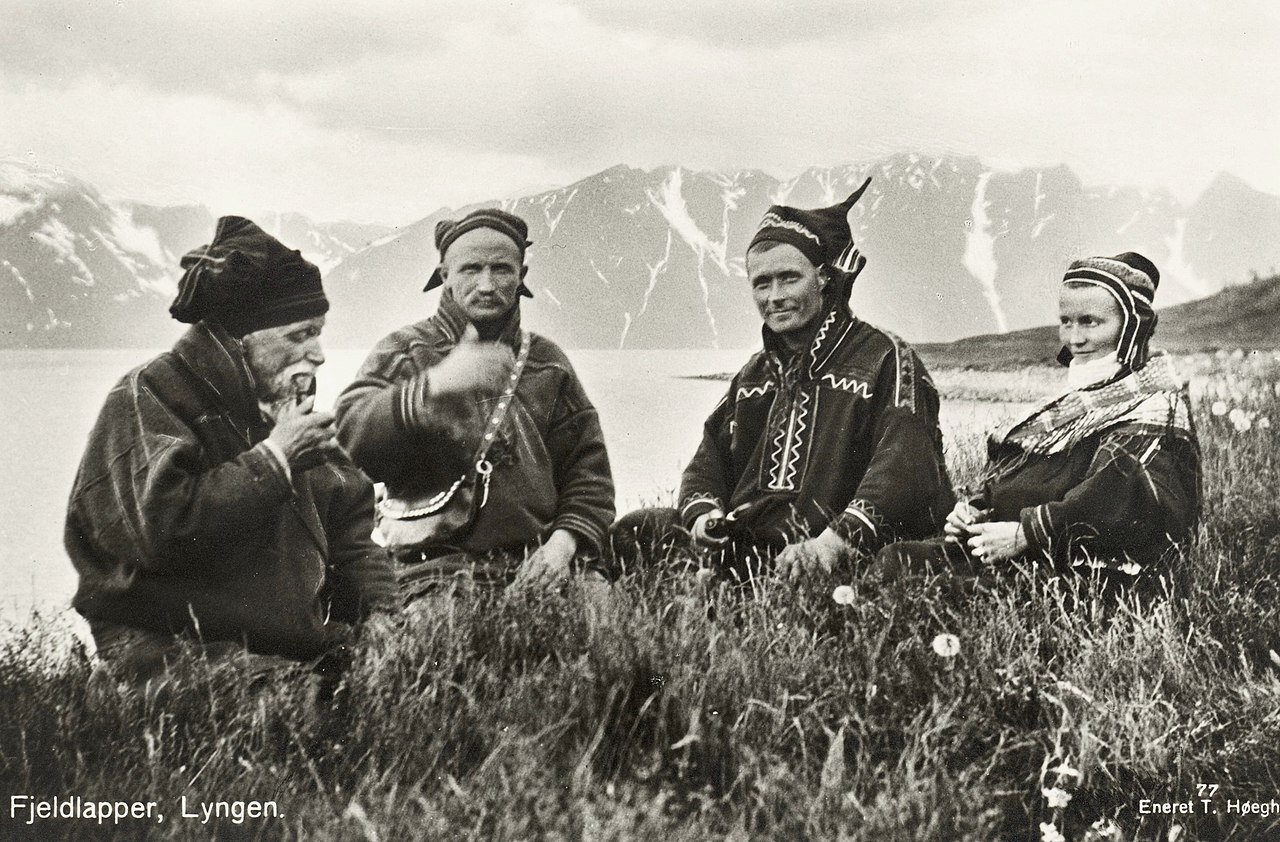
Sami cultural life includes several distinctive practices and material expressions. The colorful traditional costume known as the gákti, joik (a form of vocal music), handicrafts called duodji, and a strong connection to seasonal landscapes are widely recognized. Economically and symbolically, reindeer herding is central for many Sami communities though not all Sami are herders; others engage in fishing, hunting, crafts, tourism, public service and modern professions.
Languages and identity
The Sami are linguistically diverse: there are around ten Sami languages or major dialect groups. Some have standardized orthographies and active literacy, while others survive only in spoken form and are endangered. Efforts to revitalize Sami languages include schooling, media, and cultural programs. For information on orthography and written tradition see resources about Sami writing systems.
History and modern developments
Archaeological and historical research indicates a long-standing presence of Sámi-related cultures in northern Europe. Over centuries the Sami experienced changing relations with neighboring states: trade, intermarriage and cultural exchange, as well as pressures from colonization, assimilationist policies and resource exploitation. From the 19th and 20th centuries many Sami communities faced restrictions on language, education and land use; since the late 20th century there has been a cultural and political revival including the creation of Sami representative bodies (such as parliaments) and legal recognition of certain rights.
Geography and population
The distribution of Sami people is transnational. Different countries maintain distinct legal frameworks, minority protections and public institutions for Sami affairs. National censuses and registers use varying methods, so comparative population figures should be treated cautiously. For general regional context see overviews of Sápmi and country pages: Norway, Sweden, Finland, and Russia.
Notable distinctions and contemporary issues
- Terminology: The historic exonym "Lapp" is often considered derogatory; many Sami and scholars discourage its use and prefer "Sami" or "Saami" (terminology discussion).
- Political representation: Sami parliaments and councils exist to advise governments and administer cultural affairs, though powers vary by country.
- Rights and land use: Contemporary debates focus on land rights, reindeer grazing, mineral and wind-power developments, and environmental protection.
The Sami are a living, diverse people with deep historical roots and contemporary institutions working to sustain language, culture and livelihoods in a changing world. For further reading about Sami culture, history and contemporary life consult regional resources and cultural organizations (identity, homeland, regional context, language).
Questions and answers
Q: Who are the Sami people?
A: The Sami people are an ethnic group of people with a homeland in Sápmi, which is in far northern Europe: Norway, Sweden, Finland and Russia.
Q: How many Sami people are there in the world?
A: There are from 80,000 to 135,000 Sami people in the world.
Q: What is the Sami homeland?
A: The Sami homeland is Sápmi, which is in far northern Europe: Norway, Sweden, Finland and Russia.
Q: What is another name for the Sami people?
A: Sometimes the Sami people are called Lapps, but this is insulting and has a negative meaning.
Q: How many Sami languages are there, and are they all written?
A: There are 10 different Sami languages. Six of the languages can be written. The other four have very few speakers.
Q: When did a culture identified as Sami arise in the Scandinavian peninsula?
A: According to archaeological research, a culture identified as Sami arose in the Scandinavian peninsula between 1500 and 1000 B.C.
Q: What is another name for the Sami homeland in English?
A: In English, the area is sometimes still called Lapland.
Related articles
Author
AlegsaOnline.com Sami people (Saami): Indigenous inhabitants of Sápmi Leandro Alegsa
URL: https://en.alegsaonline.com/art/86681
Sources
- minorityrights.org : "Sami"
- nrk.no : "«Vakre er de ikke»"
- nowtoronto.com : "Disney signed a contract with Indigenous people before making Frozen II"