
Same-sex marriage in the United Kingdom
Legal recognition and development of same-sex marriage across the UK, its relationship with civil partnerships, key dates, jurisdictional differences, and social and legal implications.
The United Kingdom recognised same-sex relationships in several stages, culminating in the legalisation of same-sex marriage in the devolved nations and through UK legislation. Civil partnerships, introduced across the UK in 2005, were an earlier form of legally recognised unions for same-sex couples, providing many of the rights and responsibilities comparable to marriage. Over the following decade governments and legislatures debated whether to extend the institution of marriage to same-sex couples and how to reconcile that change with existing civil partnerships and religious freedoms.
Image gallery
6 Images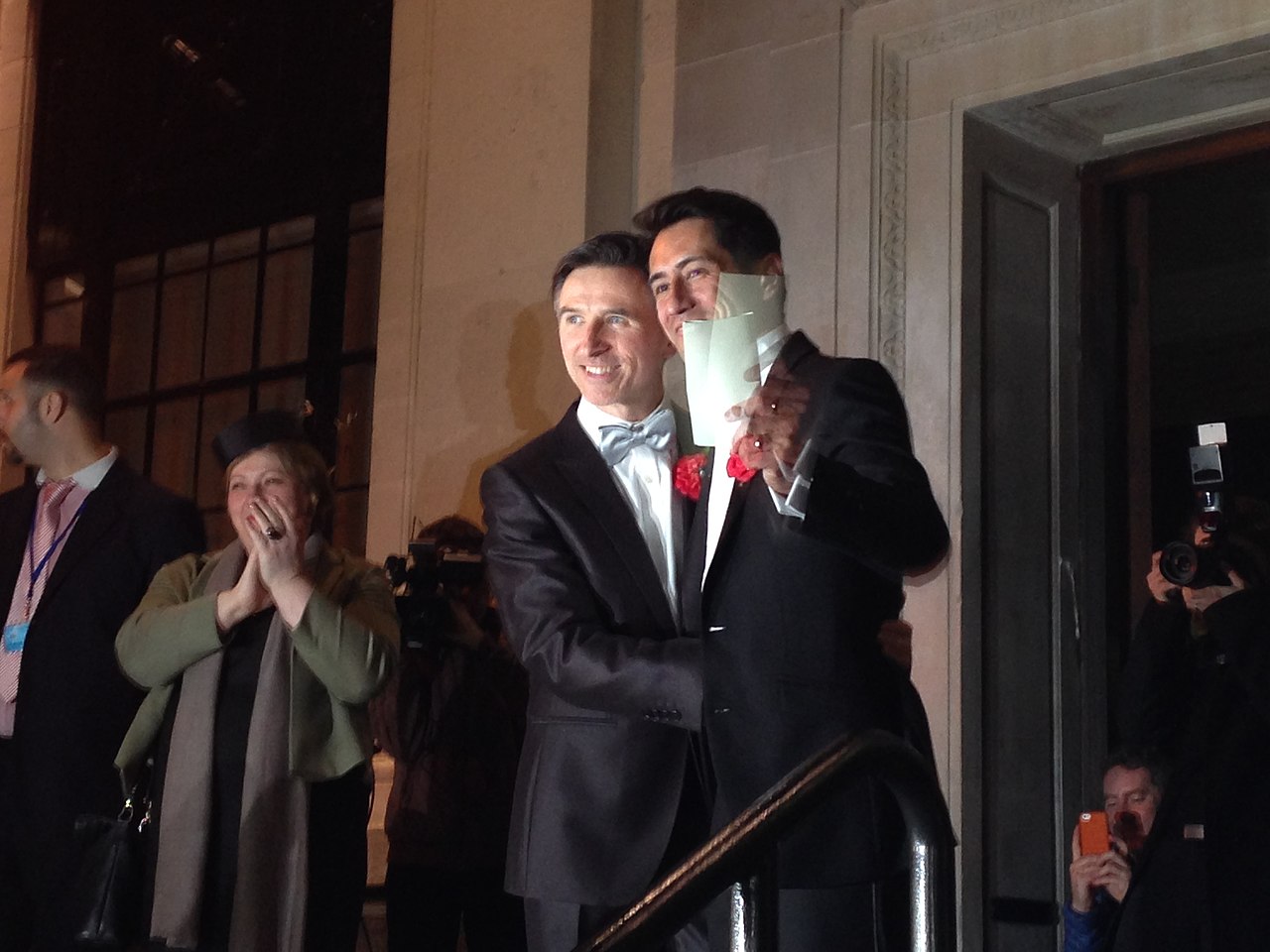



Legal milestones and timelines
England and Wales moved first in this modern phase when Parliament passed the Marriage (Same Sex Couples) Act 2013, which came into effect in March 2014 and allowed same-sex couples to marry in civil and qualifying religious contexts. Scotland followed with its own parliamentary legislation in 2014, enabling same-sex marriages under the Scottish legal system and setting dates in late 2014 for ceremonies and for conversions from civil partnerships. Northern Ireland's route differed: legislation to allow same-sex marriage there was enacted by the UK Parliament in 2019 and took effect in early 2020, after which the first ceremonies were held.
How the law differs by jurisdiction
- England: Same-sex marriage has been permitted under the 2013 Act and is available in civil registries and to religious organisations that opt in or are authorised to solemnise such marriages. England follows civil law structures shared with Wales.
- Wales: Wales implemented the 2013 Act alongside England and offers the same legal framework for same-sex marriages. See general statutory arrangements for Wales.
- Scotland: Scotland created separate legislation to reflect its distinct legal system; provisions included dates for civil partners to convert to marriage and for new same-sex marriages to begin. Relevant information is administered within the Scottish legal framework: Scotland.
- Northern Ireland: Same-sex marriage was introduced later after UK parliamentary measures; the implementation date and first recorded ceremonies occurred in early 2020. The legislative action was taken by the Parliament of the United Kingdom and applies to Northern Ireland as described above.
Relationship with civil partnerships and conversion
Civil partnerships were the first legal status available to same-sex couples across the UK and remain an important option for couples who prefer that form of recognition. In jurisdictions that permit it, couples who entered into civil partnerships can often convert that legal status into a marriage if they choose; some legislatures set specific arrangements and dates to allow such conversions to take place in an orderly way.
Religious institutions, conscience protections and social context
The extension of marriage to same-sex couples included explicit protections for religious and belief organisations. Most statutes permit religious bodies and individual celebrants to decline to perform marriages that conflict with their doctrines or personal convictions, while civil registration services must provide non-discriminatory access. The change in law reflected evolving public opinion and advocacy, and it had legal effects on inheritance, tax, parental rights, and next-of-kin recognition, aligning the status of same-sex marriages with that of opposite-sex marriages in most respects.
Recognition, significance and notable facts
Same-sex marriages performed in one part of the UK are recognised across the other parts, though the legal instruments used to create those marriages are shaped by each territory's laws. The shifts from civil partnerships to marriage and the staggered timetable across the UK's nations illustrate how devolution and differing legislative competences influenced the path to full marriage equality. For official guidance and further detail on ceremonies, registration, and conversion of civil partnerships consult territorial authorities and the legislation linked above.
Related articles
Author
AlegsaOnline.com Same-sex marriage in the United Kingdom Leandro Alegsa
URL: https://en.alegsaonline.com/art/86664