
Second Amendment to the United States Constitution
Part of the U.S. Bill of Rights, the Second Amendment protects the right to keep and bear arms; its meaning and scope have been debated from the Founding era through modern court decisions and public policy.
The Second Amendment to the United States Constitution is one of the ten amendments that originally formed the Bill of Rights. Ratified in 1791, its text reads: "A well regulated militia, being necessary to the security of a free State, the right of the people to keep and bear arms, shall not be infringed." This short provision frames a constitutional protection related to arms and military readiness while leaving considerable room for interpretation.
Image gallery
10 Images



Historical background
When adopted, the amendment reflected eighteenth‑century concerns about standing armies, local militias, and the ability of free citizens to defend their communities. Influences included English legal traditions and colonial practices in which militia service and private arms were common. The phrase "well regulated militia" and the separate clause about the "right of the people" have been read in different ways over time, depending on legal, political, and social context.
Interpretation and legal development
Debate has centered on whether the Amendment protects an individual right to own firearms or a collective right tied to service in a militia. Modern federal courts have addressed that question directly. In recent decades the U.S. Supreme Court recognized an individual's right under the Amendment in District of Columbia v. Heller and later held that this protection applies against state and local governments in McDonald v. Chicago. These decisions affirmed a baseline constitutional protection while acknowledging that the right is not unlimited and that reasonable regulation is permissible.
Characteristics and common themes
The Amendment contains three core elements often discussed together: the reference to a "well regulated militia," the justification related to the "security of a free State," and the protective phrase about the "right of the people to keep and bear arms." Scholars and courts analyze these words to determine scope, for example by distinguishing between historical public‑safety regulations and those that would unduly burden individual rights. Typical regulatory subjects discussed in law and policy include background checks, licensing, restrictions on particular categories of weapons, and prohibitions for certain individuals.
Uses, examples, and contemporary debate
The Second Amendment is central in public debates over gun ownership, public safety, and crime prevention. Supporters of broad rights emphasize self‑defense, hunting, and resistance to tyranny; proponents of stricter regulation prioritize reducing gun violence and accidents. Policymakers, courts, and advocacy groups continue to weigh constitutional protections against evolving social concerns and technological changes in firearms.
Further reading and notable facts
- The amendment is part of the original Bill of Rights — see the Bill of Rights collection for context: Bill of Rights.
- Scholarly and legal discussions often use the phrase "right" in different senses: individual liberty or collective security — see general treatments of the concept of rights.
- Historical sources on colonial and early American militias explore why the framers emphasized a militia role.
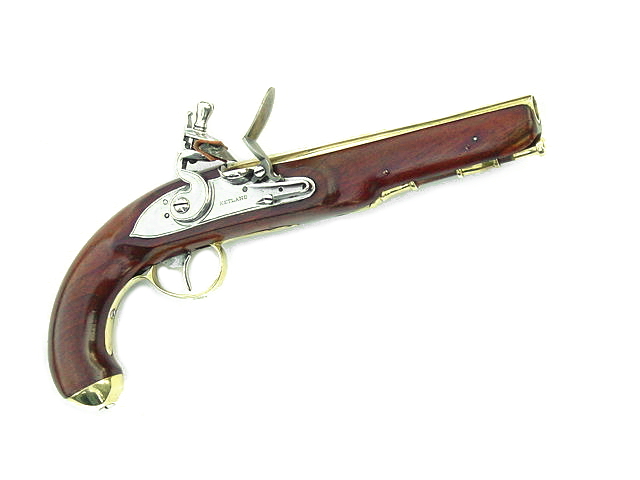
- Practical guidance on lawful possession and regulatory frameworks is available in many legal summaries and resources discussing how people may possess firearms and what it means to "keep and bear arms."
The Second Amendment remains a living part of American constitutional law: its language is brief, but its implications are broad and continually interpreted through legislation, litigation, and public discussion.
Questions and answers
Q: When was the Second Amendment to the United States Constitution created?
A: The Second Amendment to the United States Constitution was created on December 15, 1791.
Q: What is the purpose of the Second Amendment to the United States Constitution?
A: The Second Amendment to the United States Constitution establishes the right of citizens to possess firearms for lawful purposes.
Q: What does the Second Amendment to the United States Constitution state?
A: The Second Amendment to the United States Constitution says, "A well regulated militia, being necessary to the security of a free state, the right of the people to keep and bear arms, shall not be infringed."
Q: Who has the right to possess firearms according to the Second Amendment to the United States Constitution?
A: According to the Second Amendment to the United States Constitution, the right to possess firearms is granted to the people.
Q: What does the Second Amendment to the United States Constitution mention about a militia?
A: The Second Amendment to the United States Constitution mentions that a well-regulated militia is necessary to the security of a free state.
Q: Are there any restrictions to the right to bear arms according to the Second Amendment to the United States Constitution?
A: The Second Amendment to the United States Constitution mentions that the right of the people to keep and bear arms shall not be infringed, but there are some restrictions on this right such as certain felonies and mental health issues.
Q: What is the United States Bill of Rights?
A: The United States Bill of Rights is the first ten amendments to the United States Constitution, which were added in order to guarantee certain individual rights to American citizens.
Related articles
Author
AlegsaOnline.com Second Amendment to the United States Constitution Leandro Alegsa
URL: https://en.alegsaonline.com/art/88402
Sources
- loc.gov : "United States: Gun Ownership and the Supreme Court"
- constitution.findlaw.com : "Second Amendment - U.S. Constitution"
- legal-dictionary.thefreedictionary.com : "Second Amendment"
- fee.org : "Europe Meets America: Property Rights in the New World"
- academic.udayton.edu : "The History of the Militia in the United States"
- history.army.mil : "The Formative Years 1783-1812"
- lawsonline.com : "Interpreting the Second Amendment, An Introduction"
- nytimes.com : "Clause and Effect"
- hubpages.com : "Thoughts on the Second Amendment (the Right to Bear Arms and Gun Control) and What it Really Means [188*7]"
- law.cornell.edu : "Second Amendment"
- nytimes.com : "Justices Rule for Individual Gun Rights"