
Saitō Makoto
Japanese admiral and statesman (1858–1936). Saitō Makoto served as Governor-General of Korea and as Prime Minister of Japan; he was assassinated during the February 26 Incident.
In this Japanese name the family name is Saitō. Saitō Makoto (斎藤 実, October 27, 1858 – February 26, 1936) was a prominent Imperial Japanese Navy officer and national politician who rose to high rank in the navy before moving into senior administrative and governmental roles.
Image gallery
5 Images


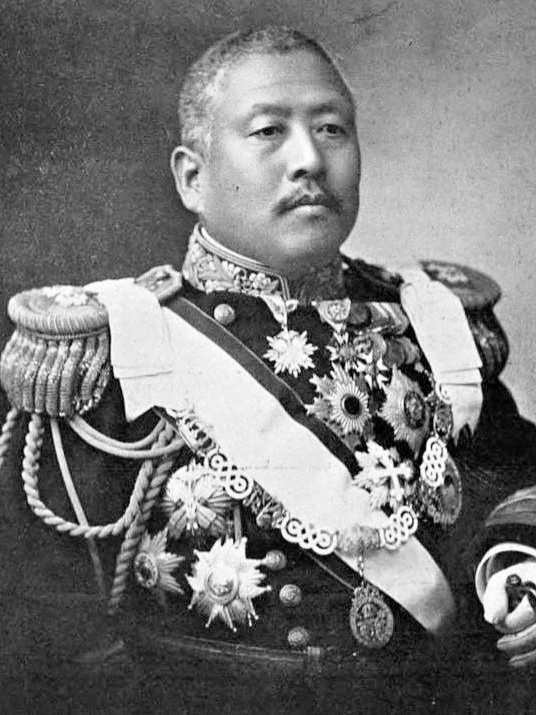
Overview
Saitō built a career as a professional naval officer and later became a leading statesman. He is widely remembered for his service as Governor-General of Korea in the years after the 1919 March 1st Movement and for leading a cabinet in Tokyo in the early 1930s. His life ended when he was killed during the February 26 Incident, a coup attempt by young army officers in 1936.
Naval career and transition to politics
Trained and promoted within the Imperial Japanese Navy, Saitō attained the rank of admiral and held important staff and command positions. Like several contemporaries, he moved from military service into colonial administration and national politics, bringing naval discipline and organization to civilian posts.
Governor-General of Korea and policies
Appointed Governor-General of Korea after widespread unrest, Saitō presided over a period often described as the start of a limited "cultural rule," which relaxed some overtly repressive measures and expanded civil administration. His tenure sought to stabilize colonial governance while maintaining firm Japanese control, a balance that remains a subject of historical debate.
Prime ministership and later years
Saitō served as Prime Minister of Japan in the early 1930s in a cabinet that aimed at political recovery after a period of crisis and political violence. His government faced mounting economic and military pressures and increasing influence from militarist factions within the armed forces.
Assassination and legacy
Saitō was assassinated during the February 26 Incident, when mutinous army officers targeted senior statesmen. His death highlighted the growing power of radicalized elements in Japan and is often cited as a turning point toward greater military influence over politics. Historians assess his legacy as mixed: an experienced administrator and moderate conservative whose career illustrates the tensions of Japan’s imperial and political development.
For related topics, see entries on Japanese naming conventions and late-Meiji to early-Shōwa politics: naval and political careers and the February 26 Incident.
Related articles
Author
AlegsaOnline.com Saitō Makoto Leandro Alegsa
URL: https://en.alegsaonline.com/art/86355
Sources
- books.google.com : "Saitō Makoto"
- homepage2.nifty.com : "Graduates of Naval Academy class 6th," Saito Makoto
- worldstatesmen.org : Republic of Korea, Governors-General