
Saeeduzzaman Siddiqui — Pakistani jurist and senior judicial figure
Overview of Saeeduzzaman Siddiqui (1938–2017), a Pakistani jurist who served on the Supreme Court and held senior judicial office during a period of constitutional crisis; career, context, and legacy.
Saeeduzzaman Siddiqui (1 December 1938 – 11 January 2017) was a Pakistani jurist and public servant whose career spanned many decades in the legal profession. He trained as a lawyer, practised at the bar and rose to become a senior judge, eventually serving on Pakistan’s highest court. Siddiqui is widely remembered for his leadership in the judiciary and for being a prominent figure during a turbulent period of Pakistan’s constitutional history.
Image gallery
2 Images
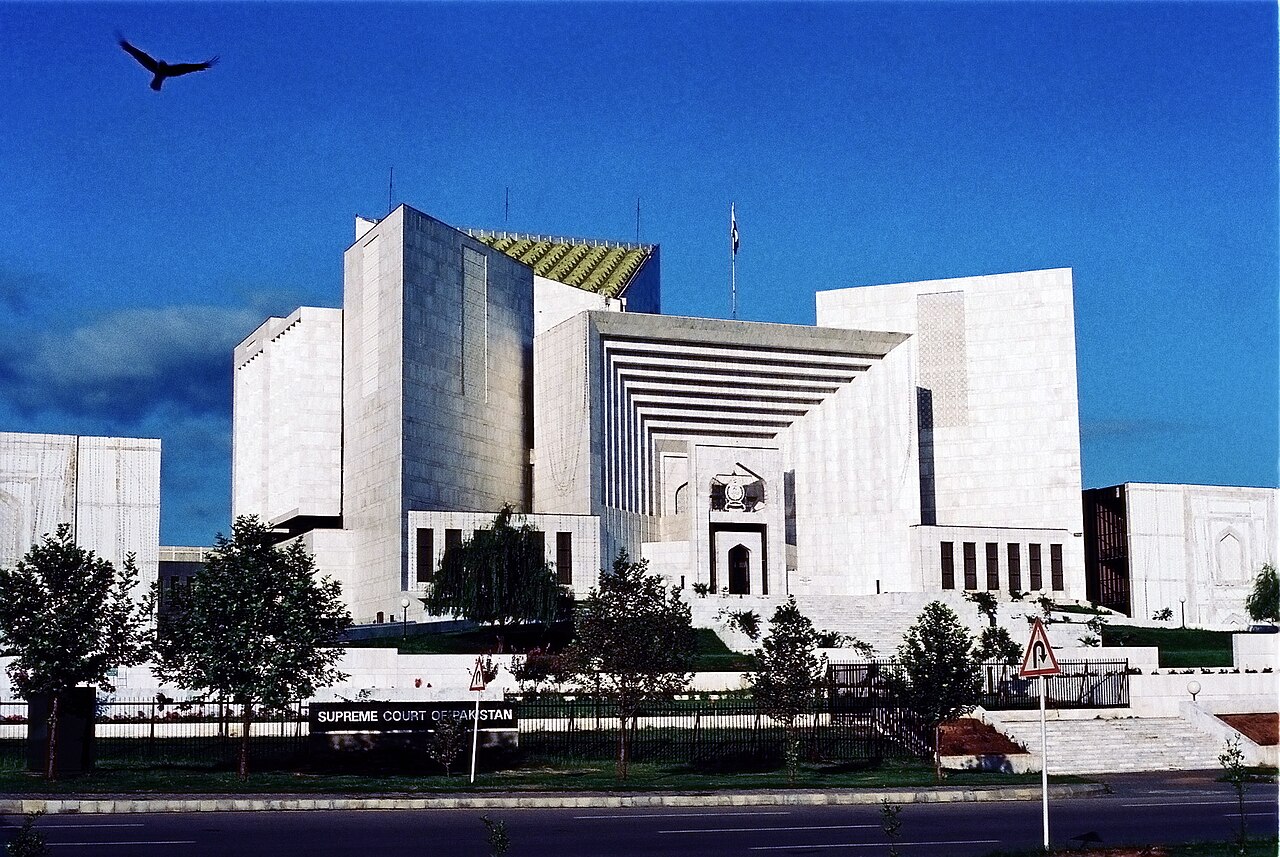
Early career and judicial rise
Born in 1938, Siddiqui entered the legal profession at a time when Pakistan’s institutions were evolving rapidly. Over the years he worked as an advocate and later joined the bench. He gained recognition for his knowledge of constitutional and administrative law and for his administrative responsibilities within the judiciary. His professional record led to appointments at the higher levels of the court system and to a role on the Supreme Court.
Service at the apex court and senior office
Siddiqui served as a senior member of the judiciary and held the office of Chief Justice at a time when the courts were called upon to consider complex questions about the legality of executive actions. Commentators describe him as a jurist who combined casework with institutional duties and occasional engagement in broader legislative or administrative matters. His professional standing made him a frequent point of reference in discussions of judicial independence and court administration.
Context of 1999 and constitutional challenges
Siddiqui was Chief Justice during the period that included the military takeover led by General Pervez Musharraf in October 1999. That event posed immediate constitutional questions about emergency powers, the continuity of government and the role of the courts in reviewing actions taken by the military and executive branches. Legal scholars often cite this period when examining how courts respond to crises and balance legal principle with political realities.
Legacy and later life
After retiring from the bench Siddiqui remained a respected figure in legal and civic discussions. He continued to be cited in debates about judicial procedure, the independence of the judiciary and the interpretation of constitutional norms. Siddiqui died on 11 January 2017 in Karachi at the age of 78. Observers remember him for his lengthy public service and for the questions his tenure raised about law and governance in Pakistan.
Notable aspects
- Long judicial career: rose through the legal profession to senior judicial office and service on the judiciary.
- Role in a crisis: led the court during a period of constitutional challenge tied to the 1999 takeover.
- Enduring relevance: cited in reflections on judicial independence, constitutional interpretation and the administration of justice.
Related articles
Author
AlegsaOnline.com Saeeduzzaman Siddiqui — Pakistani jurist and senior judicial figure Leandro Alegsa
URL: https://en.alegsaonline.com/art/85198
Sources
- thesindhtimes.com : "Governor Sindh Saeed-u-Zaman Siddiqui passes away - The Sindh Times"