
Chief Justice of Pakistan
The Chief Justice of Pakistan is the head of the Supreme Court, leading judicial review, administration and bench allocation. The office is central to constitutional law, court governance, and high‑profile legal crises.
The Chief Justice of Pakistan is the chief judicial officer who presides over the Supreme Court of Pakistan and serves as the principal administrator of the federal judiciary. As the Court's leader, the Chief Justice sets the court's agenda, presides at full court hearings, and represents the judicial branch in formal and ceremonial functions. The post combines judicial, managerial and constitutional responsibilities that shape how the highest court operates.
Image gallery
1 Image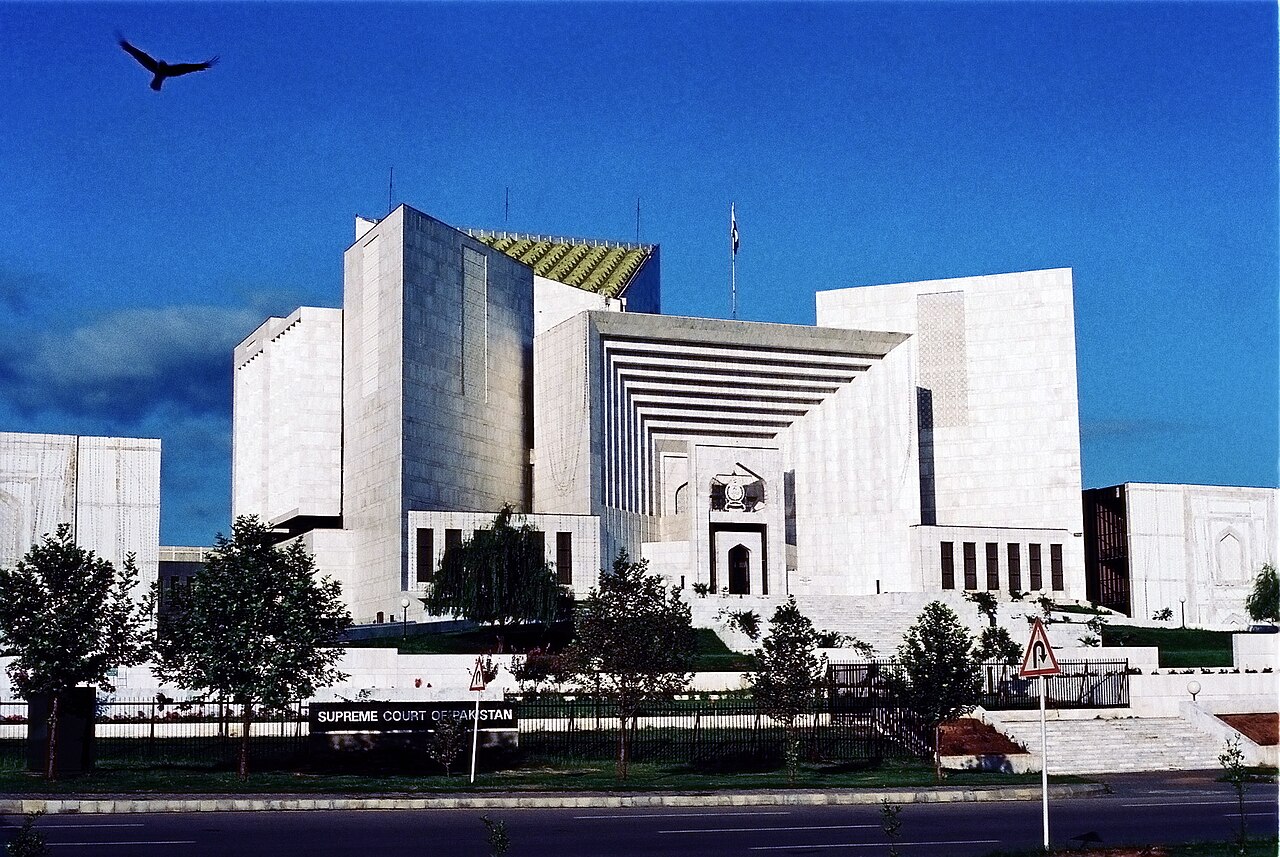
Primary duties and powers
- Presiding role: chairs benches and full court sessions, directs hearings and issues decisions in constitutional and important federal cases.
- Case allocation: assigns cases to different benches and determines which matters are heard by larger panels.
- Judicial administration: oversees administrative matters affecting the Supreme Court and often plays a coordinating role with lower courts and judicial councils.
- Suo motu and public interest jurisdiction: the Court may take suo motu notice of matters of public importance, a practice frequently shaped by the Chief Justice's priorities.
Appointment procedures and tenure are governed by the constitution and subsequent reforms. The Chief Justice is appointed by the President, with the selection typically following seniority among Supreme Court judges and the recommendations of judicial bodies. Judges of the Supreme Court have a mandatory retirement age, and removal or disciplinary matters are handled through statutory mechanisms intended to protect judicial independence while permitting accountability.
Origins and historical role
The office evolved from earlier federal judicial institutions; the high court function in Pakistan was historically associated with what was known as the Federal Court until it was reconstituted and became the Supreme Court. Over decades the Chief Justice has been a central figure in major constitutional moments, shaping rulings on fundamental rights, federal‑provincial relations and executive power.
The list of individuals who have held the office and the Court's full institutional history are documented in official records and compilations of the Supreme Court leadership and decisions. The position remains a focal point in Pakistan's legal and political life, balancing judicial independence, public accountability and the practical management of the country's highest court.
Related articles
Author
AlegsaOnline.com Chief Justice of Pakistan Leandro Alegsa
URL: https://en.alegsaonline.com/art/19595