
Sacriston
Sacriston is a village and civil parish in County Durham, England, historically linked to church landholding and later to coal mining; today it is a residential community near Durham city.
Sacriston is a village and civil parish in County Durham in the northeast of England. It stands a few miles from the city of Durham and forms part of the county's network of settlements. The place name is commonly thought to reflect an early ecclesiastical connection — probably once the farm or settlement of a church official — and the village has evolved through agricultural, industrial and post‑industrial phases. For general locality information see Sacriston, County details at County Durham and national context at England.
Image gallery
2 Images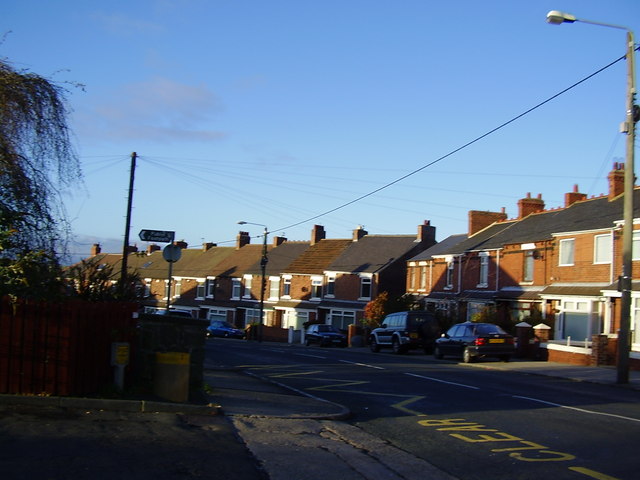

History
Like many communities in County Durham, Sacriston has deep roots in rural life and later became linked to industry. Its name suggests an origin connected with a sacrist or other church steward, indicating early ties to ecclesiastical landholding. From the 18th and 19th centuries onward the growth of mining across the Durham Coalfield changed the economy and landscape of the area: villages such as Sacriston expanded as workers' housing and related amenities were built to serve colliery operations. The decline of deep coal mining in the 20th century brought social and economic change, followed by efforts at regeneration and redevelopment.
Characteristics and community
Today Sacriston is primarily a residential village with local services that typically include schools, places of worship, shops and community facilities. The settlement retains examples of workers' housing alongside later housing developments, and green spaces reflect the surrounding Pennine foothills and reclaimed industrial land. Local governance is exercised through a parish council and through wider county authorities, while community organisations and sports clubs play a role in village life.
Geography and transport
Situated near Durham, Sacriston benefits from road links that connect it to nearby towns and employment centres. The local landscape combines open countryside with remnants of the industrial past: pit heaps, reclaimed sites and wooded areas are common features across former coalfield parishes. The village acts as a local centre for surrounding smaller hamlets and farmland.
Notable aspects and further reading
- Historical origin: the place name indicates an early church association rather than secular founding.
- Industrial heritage: part of the Durham Coalfield's pattern of expansion and later decline.
- Community renewal: typical of former mining villages that have diversified since the mid‑20th century.
For maps, statistics and community resources consult local and county sources such as County Durham listings or the village's own pages at Sacriston. National context on administrative arrangements and geography is available at England.
Related articles
Author
AlegsaOnline.com Sacriston Leandro Alegsa
URL: https://en.alegsaonline.com/art/85167
Sources
- neighbourhood.statistics.gov.uk : "Parish population 2011"