
Ryūkyū Islands (Nansei Islands)
A subtropical chain of Japanese islands stretching between Kyushu and Taiwan, known for a distinct Ryukyuan culture, endangered languages, unique biodiversity, historical kingdom, and modern strategic importance.
The Ryūkyū Islands, also called the Nansei Islands, form an arc of mostly subtropical islands that lie between Kyushu and Taiwan. Administratively they belong to Japan; many of the islands are grouped within Okinawa Prefecture and parts of Kagoshima Prefecture. The chain is noted for its warm climate, coral reefs, and a cultural identity that is distinct from the main islands of Japan.
Image gallery
10 Images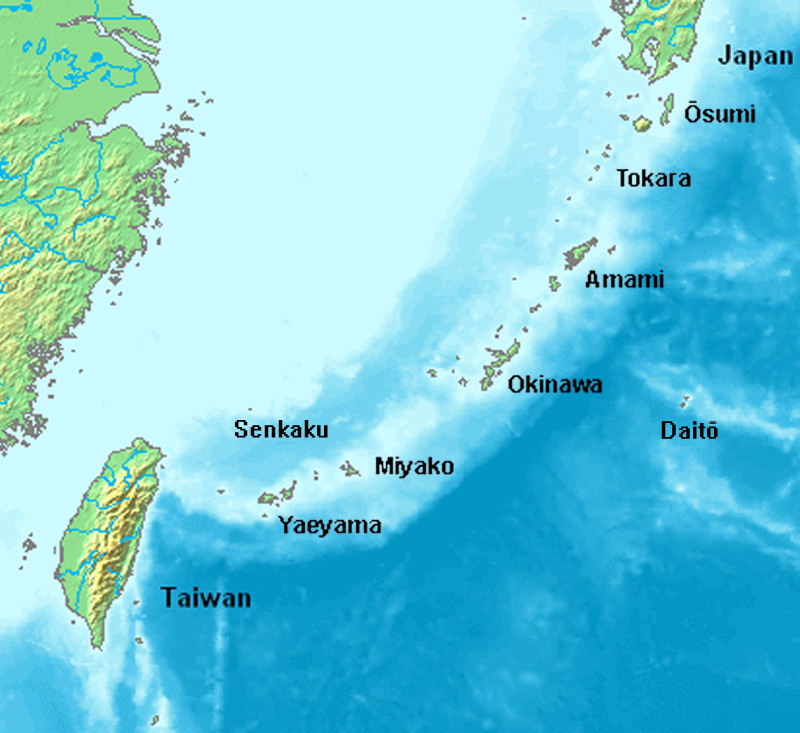





Geography and natural features
The island belt runs roughly northeast–southwest and is part of the Ryukyu volcanic and tectonic arc. It includes larger islands such as Okinawa, Amami Ōshima, Miyako, and Yaeyama, as well as many smaller islets. The climate varies from humid subtropical in the north to tropical in the southernmost islands. Warm seas around the chain support extensive coral reefs and a high level of marine biodiversity; several rare and endemic species of plants and animals are found there.
People, language and culture
The islands are home to the Ryūkyūan peoples, who speak a set of related languages traditionally grouped as the Ryukyuan languages. These languages — including Okinawan, Amami, Miyako, Yaeyama and Yonaguni varieties — are distinct from mainland Japanese and are classified as endangered. Local culture blends indigenous elements with historical influences from China and mainland Japan; notable cultural forms include the three-stringed sanshin instrument, traditional textile arts, unique folk dances, and distinct culinary traditions.
History and political development
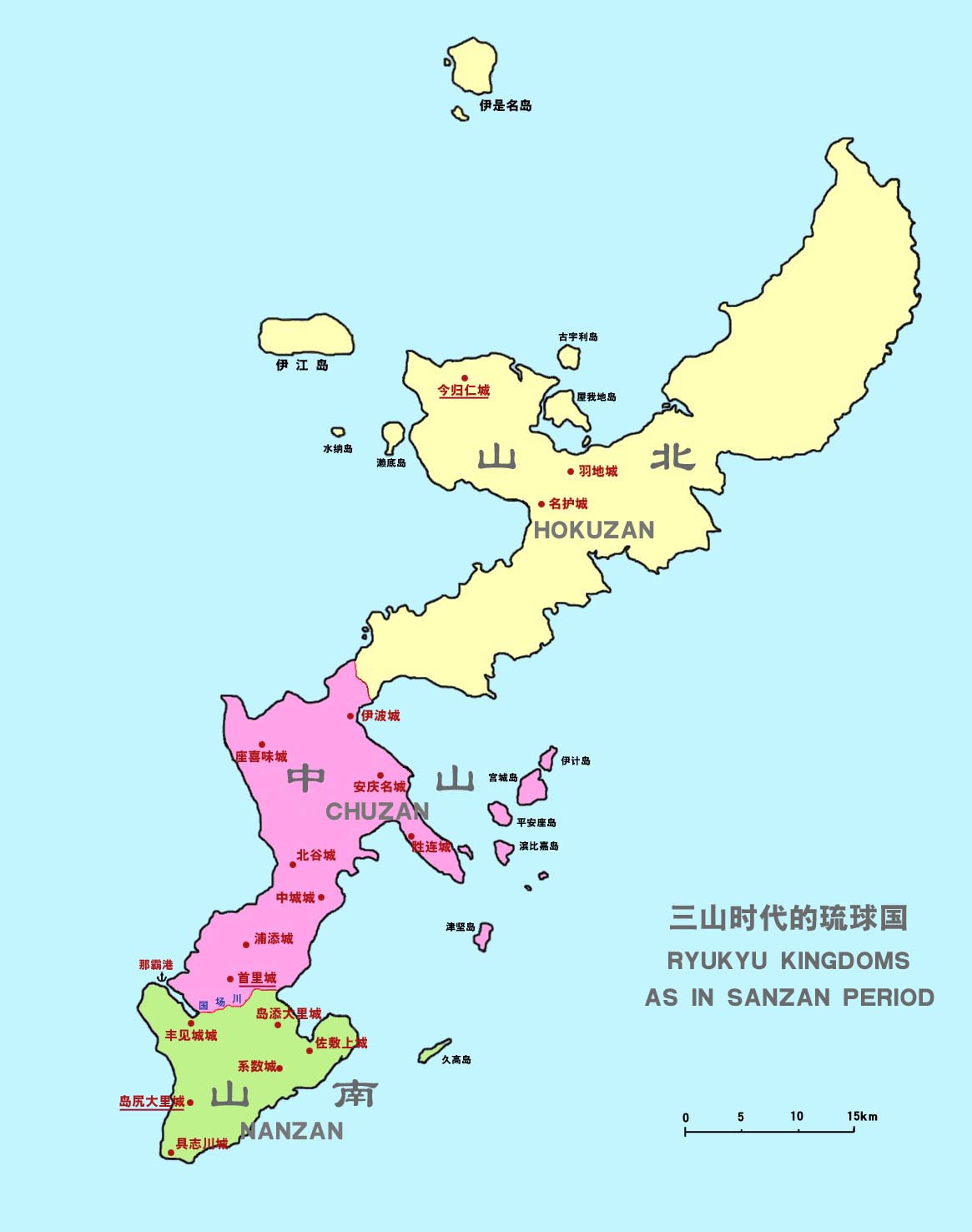
From the medieval period until the 19th century the Ryūkyū Kingdom developed as a maritime polity with tributary ties to Ming and Qing China and increasing influence from Japan’s Satsuma Domain after the early 17th century. In the late 19th century the kingdom was formally incorporated into the modern Japanese state (commonly cited as 1879), and after significant wartime damage in World War II parts of the chain were occupied by the United States. Many islands, especially Okinawa, were returned to Japanese administration in the late 20th century.
Economy, tourism and strategic importance
Economically the islands rely on a mix of agriculture (sugarcane, tropical fruits), fishing, and a growing tourism industry built on beaches, diving, cultural heritage, and subtropical nature. The islands also have outsized strategic importance: Okinawa hosts a concentration of U.S. military bases, which has been a persistent topic of local and national political discussion and protest.
Subregions and notable facts
- Amami Islands — northern part of the arc; share ecological and cultural links with Kyushu.
- Okinawa Islands — central and most populous group; cultural and economic hub.
- Miyako and Yaeyama — southern groups with more tropical environments and remote islands such as Yonaguni.
- Conservation and language revitalization efforts are active in response to habitat loss and the endangered status of Ryukyuan languages.
The Ryūkyū Islands remain an area of rich cultural heritage, important biodiversity, and complex historical legacies. Researchers in linguistics, marine biology, and East Asian history often study the chain to better understand regional interactions, island ecology, and the processes that shape minority languages and cultures.
Related articles
Author
AlegsaOnline.com Ryūkyū Islands (Nansei Islands) Leandro Alegsa
URL: https://en.alegsaonline.com/art/84998
Sources
- books.google.com : "Ryūkyū Islands"
- books.google.com : San kokf tsou ran to sets, ou Aperçu général des trois royaumes, p. 175 n1
- books.google.com : Okinawa: The History of an Island People, p. 63
- books.google.com : pp. 177
- books.google.com : Visions of Ryūkyū: Identity and Ideology in Early-Modern Thought and Politics, p. 28
- books.google.com : Becoming Okinawan: Japanese Capitalism and Changing Representations of Okinawa, p. 38
- books.google.com : "Okinawa-ken"