
Rwandan Civil War (1990–1994)
Armed conflict between the Rwandan government and the Rwanda Patriotic Front that escalated into the 1994 genocide and reshaped Rwanda's political landscape.
The Rwandan Civil War was an internal armed conflict that primarily took place from 1990 to 1994 between the Hutu-dominated Rwandan government and the Rwanda Patriotic Front (RPF), a rebel movement largely composed of Tutsi exiles. The war unfolded against a backdrop of colonial-era identity divisions, population displacement, and contested land and power. It culminated in a rapid escalation of mass violence in 1994 and a decisive military advance by the RPF.
Image gallery
10 Images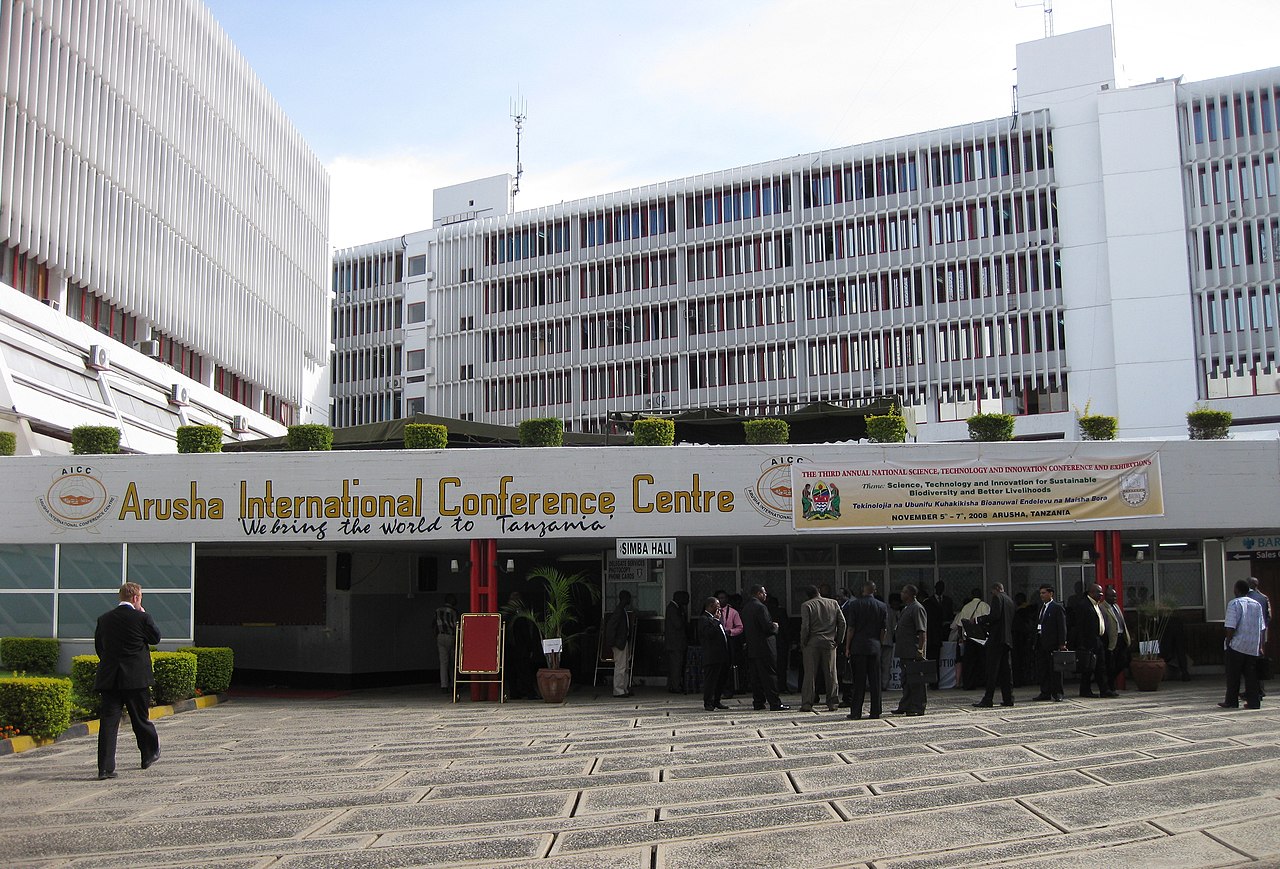


Background and causes
Long-term causes included historical ethnic tensions codified during Belgian colonial rule, socioeconomic pressures, and waves of returnees and refugees. The RPF formed from Rwandan exiles who had lived in neighboring countries and launched an invasion in October 1990, seeking political inclusion and the right of return for refugees. Negotiations and intermittent fighting followed as both sides vied for control and legitimacy.
Course of the war and key events
- 1990: RPF offensive from Uganda into northern Rwanda.
- 1992–1993: Periods of ceasefire, peace talks, and the 1993 Arusha Accords intended to share power.
- April 1994: Assassination of President Juvénal Habyarimana triggered an organized campaign of mass killings.
The assassination precipitated widespread violence that rapidly exceeded conventional civil war fighting. Government forces, allied militias, and extremist civilian groups carried out mass killings targeting Tutsi and politically moderate Hutu. The RPF resumed its military offensive during this period and advanced toward Kigali and other regions.
Genocide, international response, and aftermath
Between April and July 1994, an estimated large number of civilians were murdered in acts widely characterized as genocide. International responses were widely criticized as inadequate; peacekeeping forces were reduced and many governments delayed or limited intervention. By July 1994 the RPF had taken control of most of the country, ending the large-scale killings but leaving deep social, political, and humanitarian consequences.
After the war, Rwanda faced refugee flows, trials and reconciliation processes, and significant political change under RPF leadership. The conflict and subsequent genocide have remained central to discussions about prevention of mass atrocities, international law, and post-conflict reconstruction. For further information and resources see additional sources.
Related articles
Author
AlegsaOnline.com Rwandan Civil War (1990–1994) Leandro Alegsa
URL: https://en.alegsaonline.com/art/84940