
Sabre (saber): design, history and uses
A sabre (saber) is a curved backsword originally linked with light cavalry. This article explains its form, development from early modern Europe to sporting fencing, and its military and ceremonial roles.
Overview
The sabre (British spelling: sabre; American spelling: saber) is a type of backsword characterized by a single-edged blade and a tendency toward curvature. It became widely associated with mounted troops and developed distinct forms for light and heavy cavalry. Beyond battlefield use, the sabre influenced civilian duelling practice and evolved into a modern fencing discipline.
Image gallery
10 Images



Characteristics and parts
Historically, a sabre typically has a curved, single-edged blade designed to deliver cutting blows from horseback, though some later models were straighter to favor thrusting. Common elements include a knuckleguard or cup-hilt to protect the hand, a relatively broad blade near the hilt that tapers toward the point, and a grip shaped for one-handed use. Balance and blade length varied according to role: light-cavalry sabres prioritized cutting power and speed, while heavier patterns could be sturdier for shock combat.
Origins and development
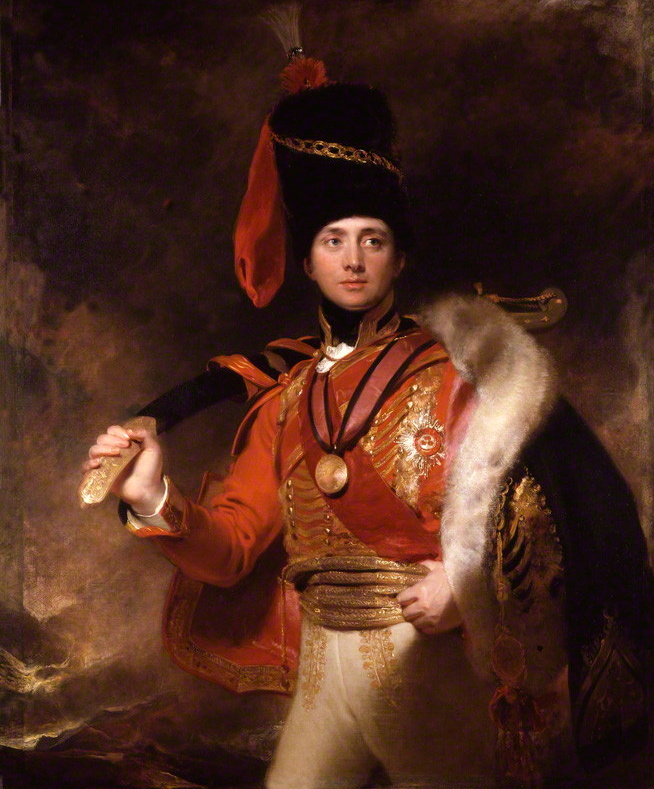
Forms of curved swords appeared among cavalry in several regions, but the icon of the modern sabre is closely tied to Central European mounted troops such as the Hussars. Croat irregular cavalry and similar light horsemen helped spread a curved sabre across Europe in the 17th century, and the weapon gained prominence during conflicts of the period, including the Thirty Years' War. By the 17th century a lighter sabre was also adopted by some infantry units for close fighting. The style and use of the sabre continued to change through the 19th century, when less curved and even straight-bladed patterns became common, especially among heavy cavalry and officers.
Military and civilian uses
On the battlefield, sabres favored slashing attacks from horseback during charges and pursuits. Different armies standardized patterns for troop types, and some notable later models—like the Model 1913 cavalry sabre—marked the end of sabre-issued regular cavalry in several services. Outside combat, the sabre became prominent as a duelling instrument and as part of officer dress. It entered organized sport as the basis for the modern sabre event in fencing, a discipline that permits both cuts and thrusts.
Fencing and cultural legacy
Sabre fencing derives its targetting and cutting rules from historic cavalry swordsmanship and emerged as a competitive form in the late 19th century. The weaponized sport is related to civilian fencing and practices once used in duelling. Sabre was included among early Olympic events and first appeared in the modern Games program at the 1896 Summer Olympics, helping codify techniques that are still taught today.
Notable distinctions and modern status
- Light vs heavy sabre: lighter, more curved blades for mounted skirmishers versus heavier, sometimes straighter patterns for shock cavalry.
- Cutting vs thrusting emphasis: curvature favors cuts; straighter blades evolved to permit effective thrusts.
- From battlefield to ceremony: many armed forces now retain sabres primarily as ceremonial or dress items rather than combat weapons.
For additional perspectives on terminology, period patterns, and the transition from combat tool to sporting implement, see specialized works on cavalry arms and historical fencing. The sabre remains a visible link between mounted warfare, personal honour culture, and modern competitive sport.
Related topics: light cavalry, Napoleonic era tactics, and the historical influence of the British and American nomenclature.
Questions and answers
Q: What is a sabre?
A: A sabre is a type of backsword with a curved blade that was primarily used by the light cavalry of the Early Modern and Napoleonic periods.
Q: How did the sabre become widespread in Europe?
A: The sabre became widespread in Europe during the Thirty Years' War when the Croat light cavalry helped spread it.
Q: When was a light sabre used by infantry?
A: A light sabre was also used by infantry in the 17th century.
Q: When did sabres without curved blades become common?
A: Sabres without curved blades became common in the 19th century and could be used by heavy cavalry.
Q: What was the last sabre to be given to US cavalry?
A: The last sabre to be given to US cavalry was the Patton sabre (Model 1913 Cavalry Sabre) in 1913.
Q: What is sabre fencing?
A: Sabre fencing is a discipline of fencing that allows for cuts as well as thrusts, and first appeared at the 1896 Summer Olympics.
Q: What led to the rise of sabre fencing?
A: The sabre being used as a duelling weapon in fencing in the 19th century led to the rise of sabre fencing.
Related articles
Author
AlegsaOnline.com Sabre (saber): design, history and uses Leandro Alegsa
URL: https://en.alegsaonline.com/art/85114