
Special Air Service (S.A.S.) — British Army Special Forces unit
The Special Air Service (SAS) is the British Army's special operations force, formed in World War II for behind‑enemy‑lines operations and now employed for reconnaissance, counter‑terrorism and training.
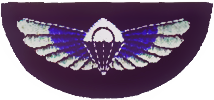
The Special Air Service (commonly written S.A.S. or SAS) is a special operations unit of the British Army, noted for its secrecy, demanding selection, and wide range of missions. Formed during the Second World War to conduct raids and reconnaissance behind Axis lines, the SAS developed techniques and an ethos that have influenced many modern special forces units. Its emblem of a winged dagger and its motto "Who Dares Wins" are widely recognized.
Image gallery
6 Images


Origins and historical development
The unit was created in 1941 to conduct small‑team operations in the North African campaign. Early tasks included sabotage, intelligence gathering and hit‑and‑run attacks against enemy supply lines, airfields and communications. After the war the SAS was disbanded and later reformed; over decades it expanded and adapted to new threats, becoming one of the United Kingdom's principal assets for unconventional warfare and high‑risk intervention. For a summary of its earliest campaigns see North Africa operations and related World War II records at wartime sources.
Roles and capabilities
The SAS undertakes a variety of tasks that require specialist training and discretion. Typical roles include:
- Long‑range reconnaissance and intelligence gathering deep behind enemy lines.
- Direct action and sabotage of high‑value targets.
- Counter‑terrorism and hostage rescue at home and abroad.
- Protective security for senior figures and sensitive sites.
- Training and advising allied or host‑nation special forces.
Notable public operations have included high‑profile counter‑terrorist assaults and missions in several post‑war conflicts; information on specific events is sometimes disclosed later or in limited official summaries, such as the widely reported 1980 siege resolution and later deployments described in military histories and media accounts (counter‑terrorism summaries).
Selection, training and structure
SAS selection is especially demanding and is designed to test physical endurance, navigation, survival and the ability to operate under prolonged stress. Candidates must demonstrate stamina on long marches, proficiency in weapon skills, patrolling and signals, and pass resistance and survival training. One component addresses training for capture and interrogation scenarios as part of survival, evasion, resistance and escape (SERE) instruction. The regiment comprises regular and reserve elements and is organised into subunits trained for particular environments and mission types.
Secrecy, oversight and public profile
The SAS operates with a high degree of operational secrecy. Members typically keep unit membership confidential beyond close family, and the Ministry of Defence rarely releases detailed operational accounts while missions are active. This secrecy, combined with the unit's profile, has led to public fascination and sometimes to debates over transparency, legal oversight and accountability. Official statements and historical accounts are available in selected government releases and reputable secondary analyses (official statements and reviews).
Influence and legacy
The tactics, training methods and organisational model of the SAS have inspired many other special forces around the world. Several countries have created units modelled on the SAS concept or have drawn on its training practices; the establishment of some foreign special units has been directly influenced by exchanges and cooperation with SAS personnel (international influences). The unit's combination of reconnaissance, direct action and counter‑terrorism capability continues to make it central to Britain’s national defence and security posture.
While much about the SAS remains classified, its public record and widely reported history show an organisation that evolved from a small wartime raiding force into a modern special operations formation with global reach and enduring influence.
Questions and answers
Q: What is the SAS?
A: The SAS stands for Special Air Service and it is a Special Operations Organisation of the British Army.
Q: When was the SAS founded?
A: The SAS was founded in 1941 during World War II to attack behind the German line of defence in North Africa.
Q: How many active members are there in the SAS?
A: There are about 500 active members in the SAS.
Q: What is the badge of the organisation?
A: The badge of the organisation is a flaming excalibur with its motto “Who Dares Wins”.
Q: What roles does the SAS perform?
A: The roles performed by the SAS include gathering intelligence behind enemy lines, destroying targets far behind enemy lines, protecting important government members and royal family, training special forces of other nations and performing counter-terrorism operations.
Q: Why is it respected worldwide?
A: The SAS is respected worldwide because of their intense training which includes interrogation (questioning while under torture).
Q: Are there any units modelled after them?
A: Yes, several special operations units are modelled after them such as U.S. Army's Delta Force which was founded due to Charles Beckwith who served as an exchange officer with the SAS and felt that U.S Army was vulnerable without having a unit comparable to them.
Related articles
Author
AlegsaOnline.com Special Air Service (S.A.S.) — British Army Special Forces unit Leandro Alegsa
URL: https://en.alegsaonline.com/art/85020
Sources
- independent.co.uk : "Lord Guthrie: 'Tony's General' turns defence into an attack"