
Rush hour (peak traffic and public-transport congestion)
Periods during the day when road traffic and public-transport passenger loads are highest, typically correlated with commuting patterns and urban activity cycles.
Overview
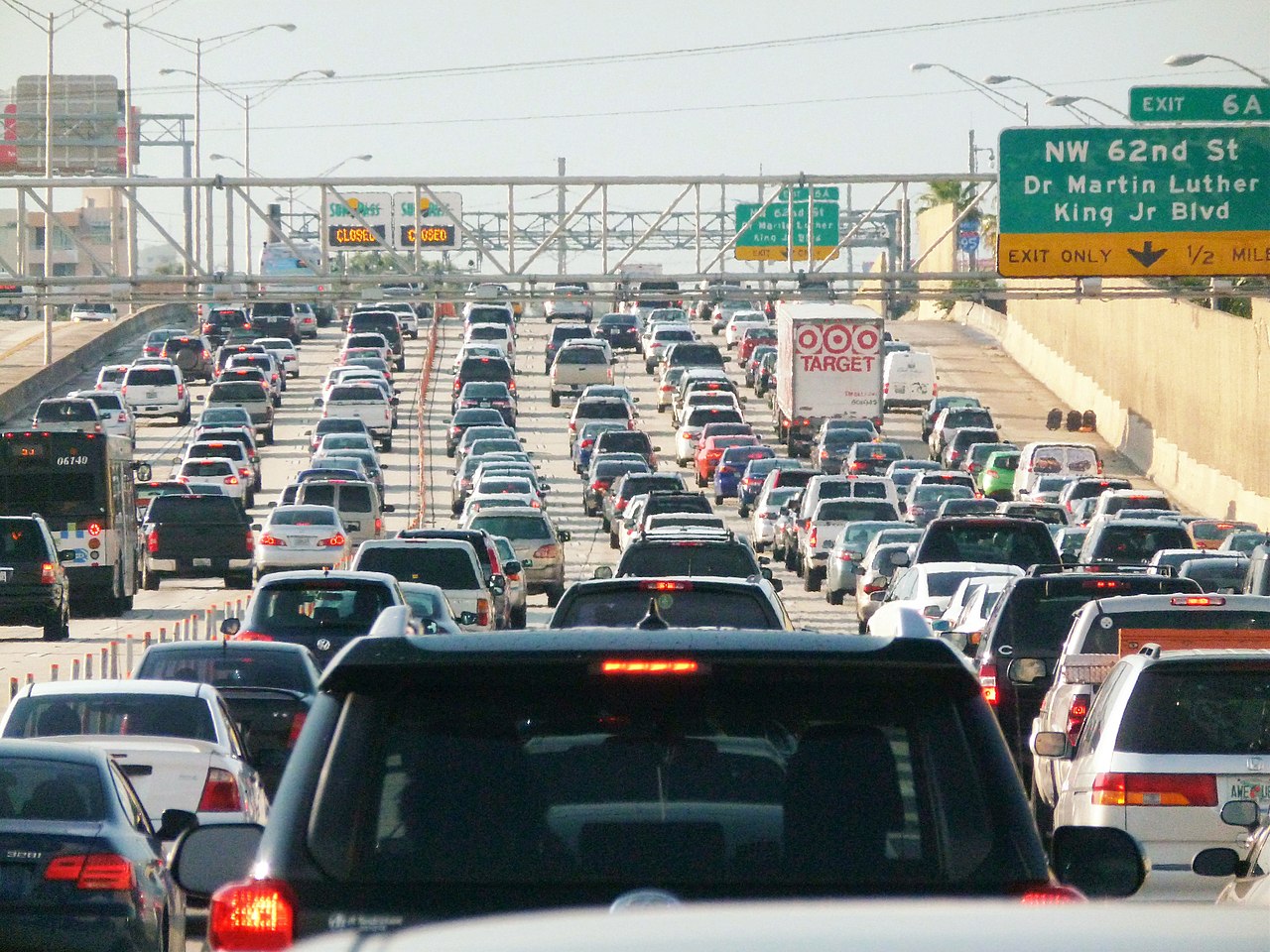
Rush hour, also called peak hour or peak period, denotes parts of the day when traffic congestion on roads and passenger crowding on public transport are at their greatest. In many cities these peaks occur twice daily — once in the morning when people travel to work, school or appointments, and once in the late afternoon or early evening as they return home. The pattern reflects the concentration of trips generated by workplaces, schools and services.
Image gallery
9 Images




Typical characteristics and causes
Rush-hour conditions arise from the temporal clustering of trips combined with limited roadway and transit capacity. Common contributing factors include:
- Concentrated work and school schedules that create simultaneous demand.
- Limited road space, intersections and transit vehicle capacity.
- Incidents, weather or bottlenecks that amplify delays.
- Secondary effects such as deliveries, taxi and ride-hailing activity and the "school run".
History and development
The concept of rush hour expanded with urbanization and the rise of centralized workplaces in the 19th and 20th centuries. As cities grew and personal automobiles became common, morning and evening peaks intensified. Public-transport schedules and road designs were adapted over time to manage these concentrated flows, and modern planning now addresses peak demand with mixed strategies.
Effects and importance
Rush-hour congestion has economic, environmental and social consequences. Delays reduce productivity, increase fuel use and emissions, and raise stress for travelers. Overcrowded public-transport vehicles can lower comfort and reliability. Understanding rush-hour patterns is essential for transport planning, scheduling and emergency response.
Management and mitigation
Authorities and operators use a range of measures to reduce peak pressures: demand-management policies (staggered hours, telecommuting), pricing tools such as congestion charges, capacity improvements, priority lanes for buses and high-occupancy vehicles, and service frequency adjustments. Individual travelers also adapt by changing travel time, route or mode.
Variations and notable facts
Rush-hour timing and intensity differ by city, culture and land use. Some places have single sustained peaks, while others see multi-modal peaks influenced by tourism, shift work or local events. For information about how public transit handles peak loads, see public transport, and for commuting trends and patterns consult commuting data.
Related articles
Author
AlegsaOnline.com Rush hour (peak traffic and public-transport congestion) Leandro Alegsa
URL: https://en.alegsaonline.com/art/84786