
The Supremes: Motown's Pioneering Female Vocal Group
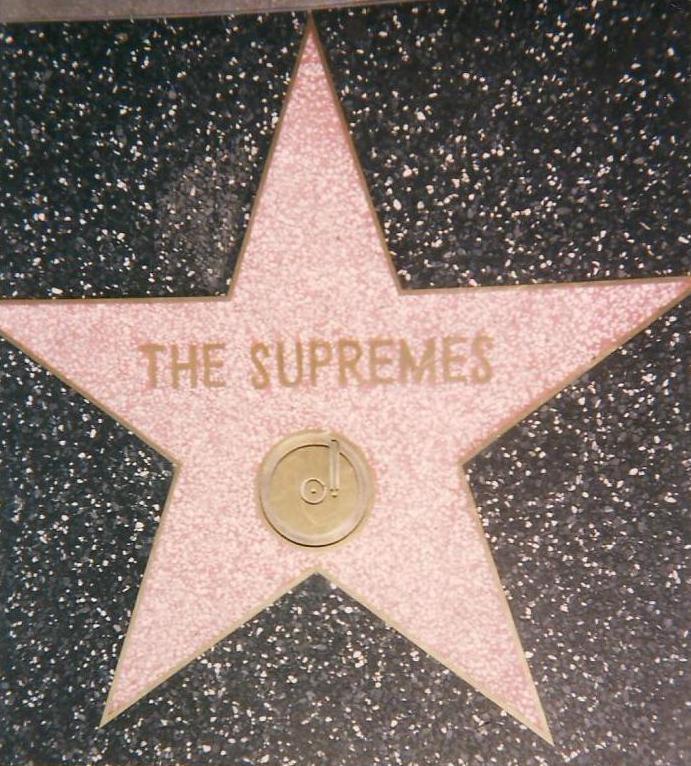
The Supremes were an American Motown female vocal group formed in Detroit in 1959. They achieved mainstream pop and soul success in the 1960s, scoring multiple No. 1 hits and influencing future R&B and pop artists.
The Supremes were an American female singing group and one of Motown's most successful acts. Formed in Detroit in 1959, they began as a neighborhood sister act and evolved into a polished studio and stage ensemble whose recordings blended doo‑wop, pop, soul and later elements of disco. Their career helped bridge segregation-era R&B and mainstream pop radio, opening doors for later Black artists in the United States and abroad.
Image gallery
9 Images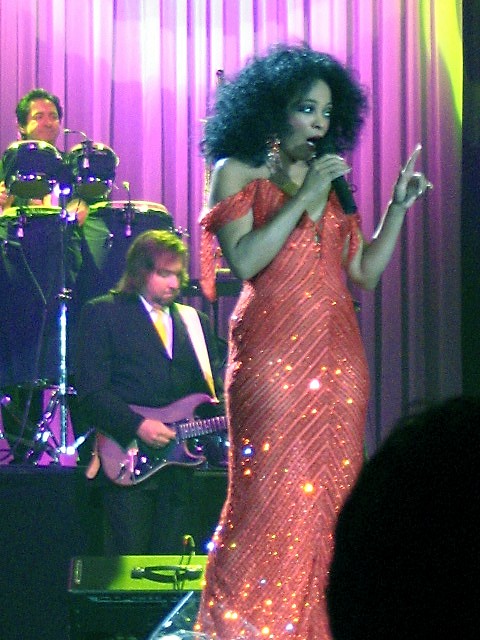


Origins and early development
The group started in Detroit, Detroit, Michigan, originally calling themselves the Primettes as a sister act to another local vocal group. Early members included several young women from the same public housing community. The Primettes attracted local attention and signed with Motown Records after a series of personnel changes and auditions, at which point they adopted the name that would become famous worldwide. From the beginning they worked with Motown's writers and producers and learned the label's exacting standards for stage presentation and studio performance.
Members and changing lineups
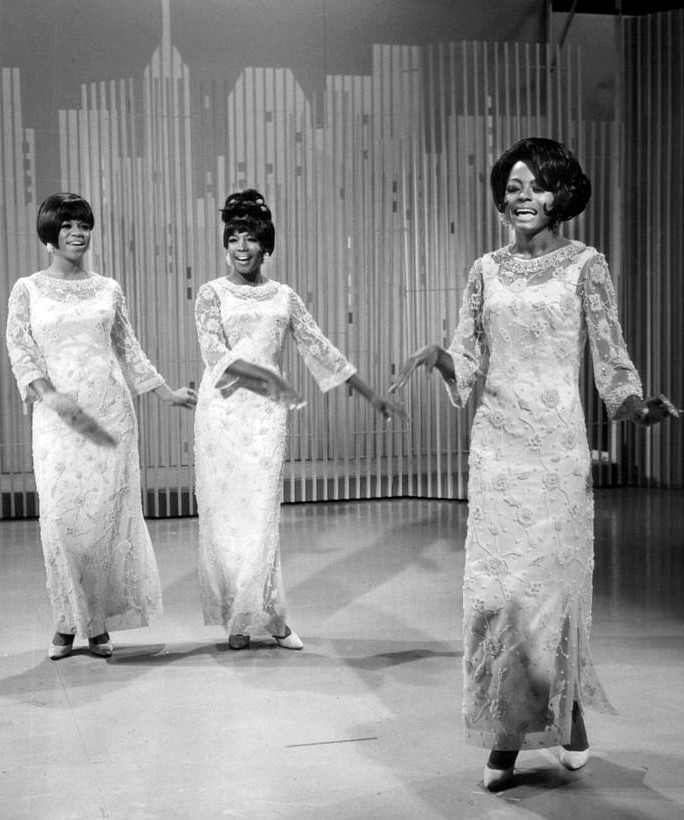
The classic and best-known lineup consisted of Diana Ross, Mary Wilson, and Florence Ballard. Earlier and later members and substitutes included Betty McGlown and Barbara Martin in the initial phase, and after changes in the late 1960s and 1970s a sequence of singers such as Cindy Birdsong, Jean Terrell, Lynda Laurence, Scherrie Payne, and Susaye Greene performed under the group's name.
- Classic trio: Diana Ross, Mary Wilson, Florence Ballard.
- Notable later additions: Cindy Birdsong, Jean Terrell, Lynda Laurence, Scherrie Payne, Susaye Greene.
When Barbara Martin left the small group early on, Ross, Ballard and Wilson continued as a tight trio that defined the Supremes' sound for most of the 1960s. Management and Motown leadership played significant roles in naming, marketing and personnel decisions throughout the group's history.
Music, success and legacy
Working frequently with the songwriting-production team Holland–Dozier–Holland and Motown's in‑house musicians, the Supremes amassed a string of chart successes. They scored a remarkable run of top singles — including twelve number one hits on the Billboard Hot 100 — and at their commercial peak they matched contemporaries such as the Beatles in global popularity. Their repertoire mixed pop sensibility with R&B roots, helping to bring R&B and soul into mainstream American popular music.
In 1967 Motown president Berry Gordy promoted Diana Ross as the focal point and officially billed the act as Diana Ross & the Supremes, a change that prefaced Ross's solo career. When Ross departed in 1970, Jean Terrell replaced her and the group's name reverted to the Supremes; subsequent lineups continued to record and tour until the group disbanded in 1977.
Distinctions and influence
The Supremes are widely cited as America's most commercially successful vocal group of their era and a template for girl groups that followed. Their polished image, choreographed stagecraft and crossover hitmaking proved a model for pop production and artist development. While rooted in the sounds of soul and pop, the Supremes' catalog also recalls early doo‑wop harmonies and later dance‑oriented arrangements that anticipated disco trends.
Beyond record sales and chart positions, the Supremes' prominence on radio and television during the 1960s helped normalize African American performers in mainstream entertainment and inspired a generation of singers. Their story remains central to Motown's history and to broader narratives about popular music, civil rights era culture, and the business of American pop.
For more on related acts and the scene that produced the Supremes, see contemporary Detroit ensembles such as the Temptations and the wider Motown roster at Motown. Additional archival materials and biographies explore the group's formation, creative partnerships, and the challenges members faced as fame reshaped their personal and professional lives. Contemporary summaries and retrospectives may be found via resources linked to group members and specific musical styles discussed above (vocal group history).
Questions and answers
Q: Who founded the group The Supremes?
A: The group was originally founded as The Primettes in Detroit, Michigan, in 1959 by Florence Ballard, Mary Wilson, Diana Ross, and Betty McGlown.
Q: What type of music did the Supremes record?
A: They recorded doo-wop, pop, soul, and disco music for Motown records.
Q: How successful were the Supremes?
A: The Supremes were the most commercially successful of Motown's acts and are to date America's most successful vocal group with 12 number one singles on the Billboard Hot 100.
Q: Who wrote and produced their hits?
A: Most of their hits were written and produced by Motown's main songwriting and production team Holland–Dozier–Holland.
Q: Where did the founding members come from?
A: The founding members all came from a public housing project in Detroit.
Q: When did Barbara Martin join the group?
A: Barbara Martin replaced Betty McGlown in 1960.
Q: When did Berry Gordy rename them Diana Ross &the Supremes?
A: In 1967 ,Motown president Berry Gordy renamed the group Diana Ross &the Supremes .
Related articles
Author
AlegsaOnline.com The Supremes: Motown's Pioneering Female Vocal Group Leandro Alegsa
URL: https://en.alegsaonline.com/art/98938
Sources
- youtube.com : youtube.com/watch?v=Ku64wW8yeZ0
- allmusic.com : The Supremes