
Sagwa, the Chinese Siamese Cat
Children’s book character created by Amy Tan and adapted into a PBS Kids animated series set in a fictional Qing-dynasty household, known for gentle moral lessons about family, duty and cultural life.
Sagwa first appeared as the title character in a children’s picture book written by Amy Tan. The story introduces a curious, playful Siamese cat living in an imperial household. The original book is concise and illustrated, using the character of Sagwa to explore curiosity, consequence and belonging in a setting that draws on traditional Chinese visual motifs.
Image gallery
1 Image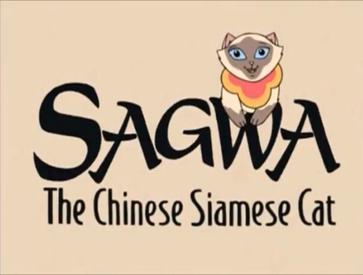
Setting and inspiration
The stories of Sagwa are set in a stylized version of late imperial China, evoking the atmosphere of the Qing court around the turn of the twentieth century. That historical backdrop provides visual and cultural cues—costume, architecture and social roles—which are simplified for young readers. The television adaptation expanded these cues into episodic contexts to introduce children to aspects of Chinese customs and daily life.
Format and characters
In print, Sagwa is a single, self-contained tale. In the animated adaptation produced for PBS Kids, the premise was broadened: Sagwa lives with her family in the magistrate’s house and encounters small dilemmas that become short stories. Recurring figures include Sagwa’s parents and siblings as well as neighbors and local officials; each character is designed to illustrate a particular trait or social role suitable for preschool viewers.
Themes and educational goals
Sagwa’s narratives emphasize family bonds, personal responsibility, respect for elders and the value of community. Episodes and the book alike use gentle consequences rather than harsh punishment to teach lessons. Educators and parents have noted the series’ success in presenting moral themes alongside culturally specific details, while remaining accessible to a broad audience. The show’s appeal and popularity with children led to its wider distribution.
Adaptation and differences
Transitioning the picture book into an animated series required expanding characters, creating new plots, and pacing stories for short episodes. Whereas the book is focused and visually driven, the series adds dialogue, recurring conflicts, and explicit moral resolutions. This allowed the program to deliver consistent educational messages and to address topics such as cooperation, problem solving and civic duty.
Legacy and notable facts
Sagwa remains notable as a gentle, culturally textured franchise that introduced many young children to elements of Chinese culture within a familiar family-oriented framework. Set against the symbolic backdrop of the Qing dynasty, the stories stress values like family and loyalty while remaining entertaining. The character’s ongoing presence in reading lists and children's programming reflects its role as a bridge between storytelling and informal cultural education.
Questions and answers
Q: Who is Sagwa?
A: Sagwa is a Siamese cat from the children's book "Sagwa the Chinese Siamese Cat" by Amy Tan.
Q: What is the educational animated series called and where can it be watched?
A: The educational animated series is called "Sagwa, the Chinese Siamese Cat" and can be watched on PBS Kids.
Q: When is the series set?
A: The series is set circa 1900 during the Qing dynasty.
Q: What is notable about the show?
A: The show is notable for its setting and messages about family and loyalty.
Q: Who was the author of the book on which the series is based?
A: The author of the book on which the series is based is Amy Tan.
Q: What is the target audience for the series?
A: The target audience for the series is children.
Q: What does Sagwa do in the series?
A: In the series, Sagwa has fun in her day-to-day life while learning and teaching valuable life lessons.
Related articles
Author
AlegsaOnline.com Sagwa, the Chinese Siamese Cat Leandro Alegsa
URL: https://en.alegsaonline.com/art/85264