
Rudolf II, Holy Roman Emperor (1552–1612)
Habsburg ruler and Holy Roman Emperor known for his Prague court, extensive patronage of arts and sciences, interest in alchemy and the occult, and for the political and religious tensions of his later years.
Overview
Rudolf II (1552–1612) was a member of the Habsburg dynasty who held several central European crowns in the late 16th and early 17th centuries. He reigned as Holy Roman Emperor from 1576 until his death in 1612 and carried other traditional Habsburg titles and responsibilities across the realms of Central Europe. His court in Prague became a notable centre for artists, scholars and collectors, while his later years were marked by dynastic conflict and mounting confessional tension.
Image gallery
10 Images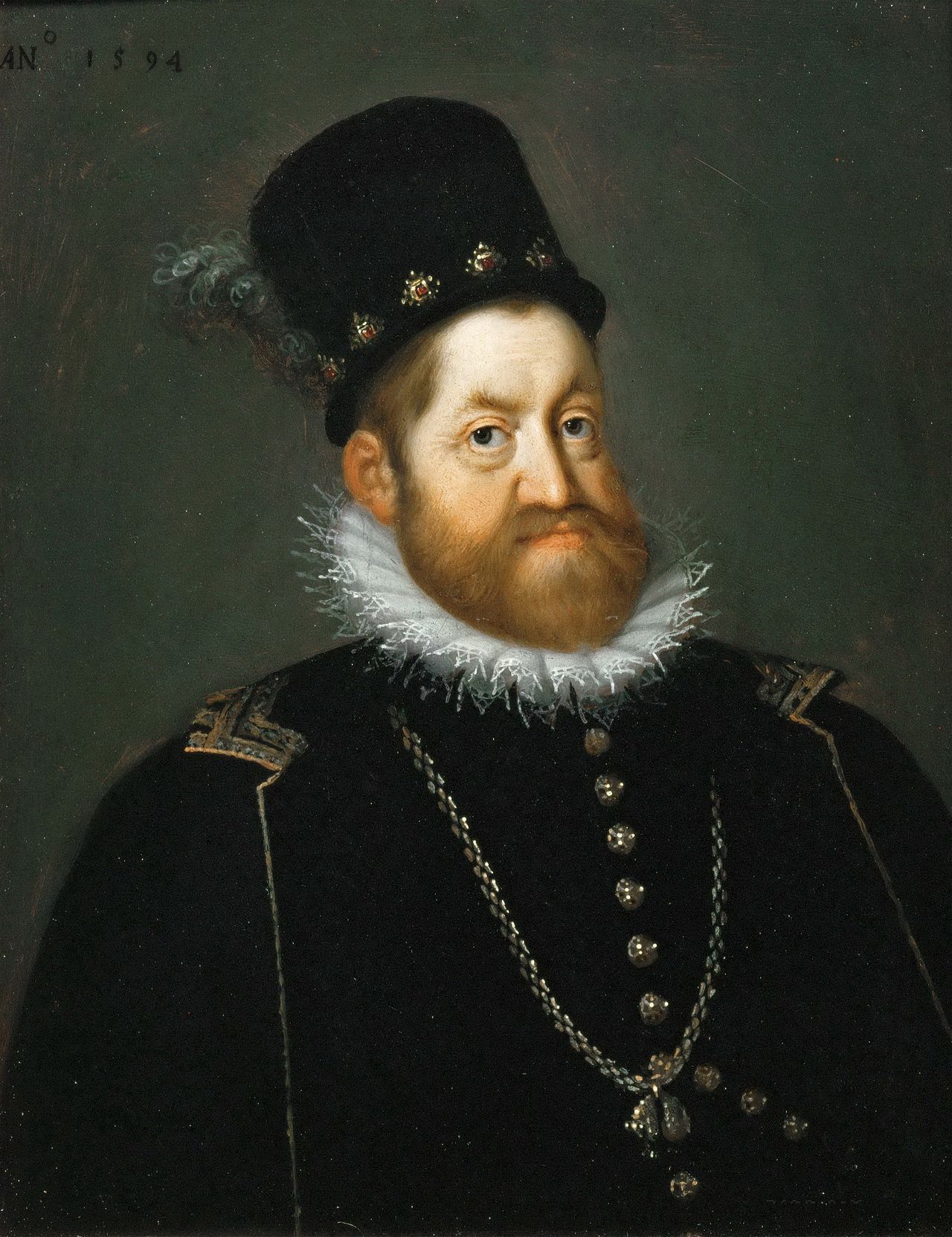
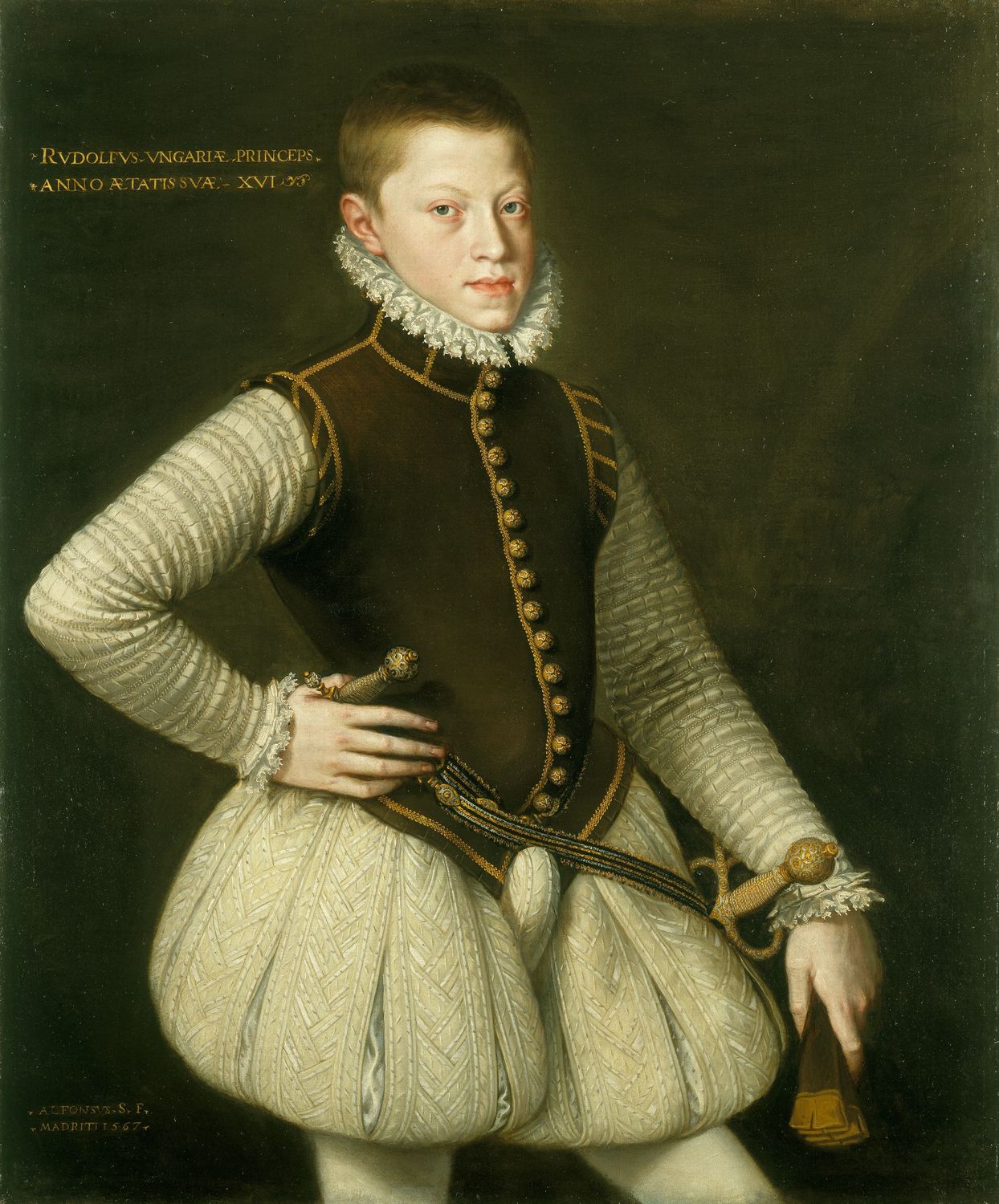


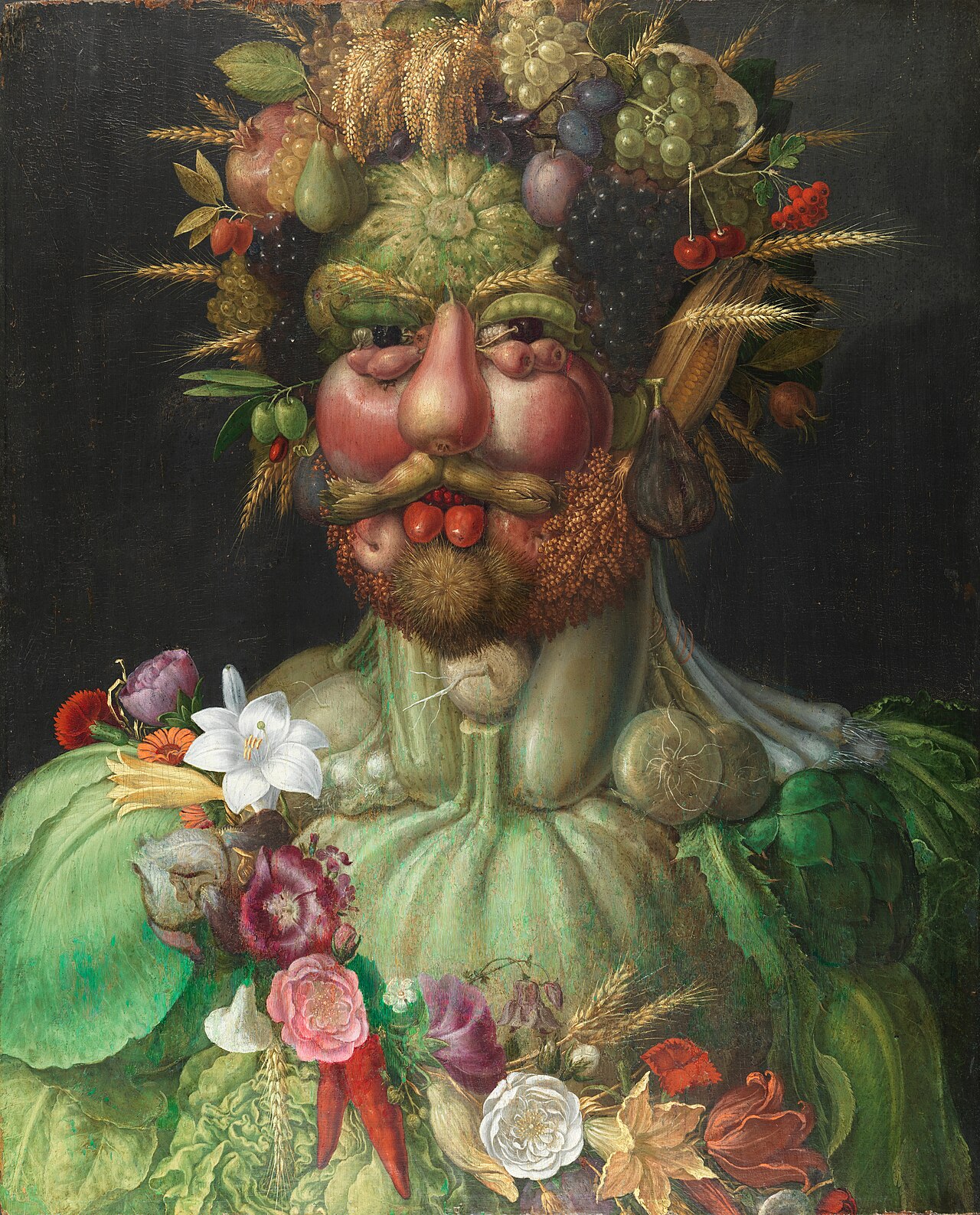


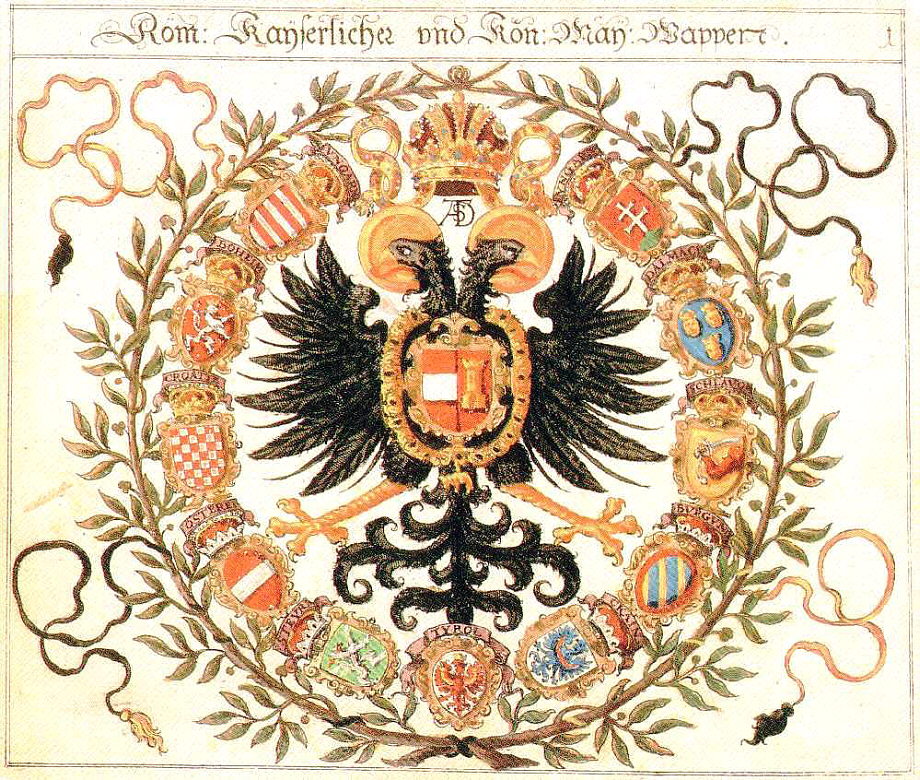
Principal titles and chronology
- King of Hungary (as Rudolf, 1572–1608)
- King of Bohemia (as Rudolf II, 1575–1608/1611)
- Archduke of Austria (as Rudolf V, 1576–1608)
- Holy Roman Emperor (as Rudolf II, 1576–1612)
Rudolf inherited a broad and composite Habsburg dominion and spent much of his reign concentrating court life and administration in Prague. He was the scion of the imperial family and, like other early modern monarchs, exercised authority through both formal institutions and personal networks of advisers.
Court, culture and intellectual interests
Rudolf II is remembered less for military achievements than for his role as a patron and collector. He assembled an important Kunstkammer (cabinet of curiosities), supported painters—among them Giuseppe Arcimboldo—and attracted leading scientists and astronomers to Prague. The imperial court welcomed figures such as Tycho Brahe and Johannes Kepler, and it became known for interest in natural philosophy, astronomy, medicine, and a variety of learned trades.
Alongside orthodox scholarship, Rudolf cultivated a reputation for fascination with alchemy, astrology and the occult. These pursuits were common among some Renaissance rulers and scholars; in Rudolf’s case they added to the mythic image of his court while also shaping its patronage priorities.
Politics, religion and legacy
Rudolf’s reign coincided with intensifying religious divisions in the Holy Roman Empire. Administrative weakness in later years, court factionalism, and disputes within the Habsburg family weakened centralized authority. His brother Matthias and other family members asserted themselves politically; by the final decade of Rudolf’s life he had lost effective control of several territories. These developments contributed to the unstable environment that eventually led to broader conflict in the German lands in the 17th century.
Despite the political troubles, Rudolf II’s cultural legacy is significant: his patronage transformed Prague into a European cultural and scientific hub and left an enduring collection of art and manuscripts. Historians view him as a complex ruler whose interests bridged Renaissance humanism and early modern science while whose political shortcomings shaped the course of Habsburg governance.
For introductions to his reign and influence see connected summaries of his reign as King of Hungary and as King of Bohemia, and consult specialist studies on Habsburg politics and Renaissance courts for fuller analysis.
Related articles
Author
AlegsaOnline.com Rudolf II, Holy Roman Emperor (1552–1612) Leandro Alegsa
URL: https://en.alegsaonline.com/art/84619