
Rudolf Virchow (1821–1902)
German physician and scientist who founded modern cellular pathology and advanced public health, social medicine, and medical institutions in 19th-century Europe.
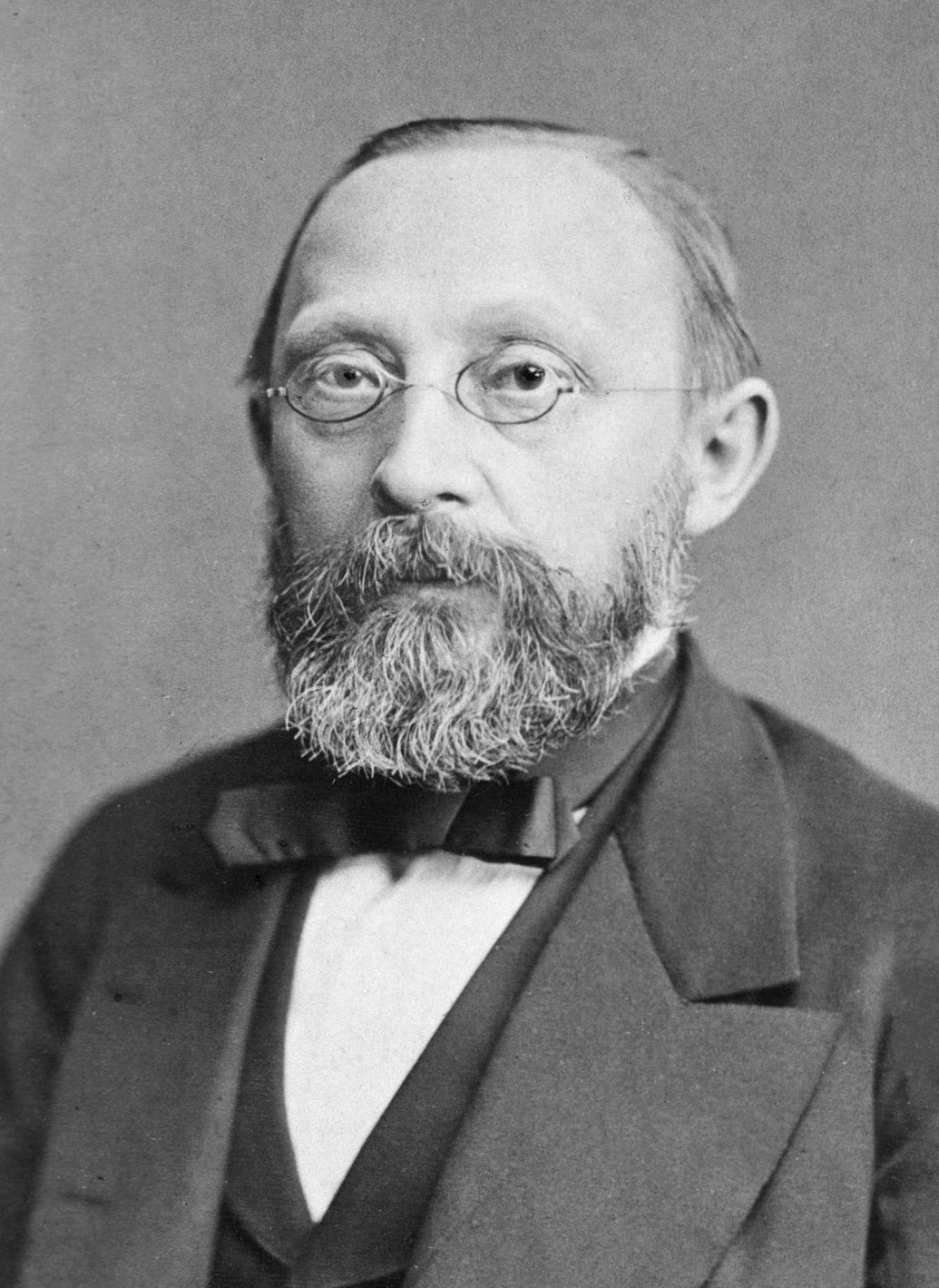
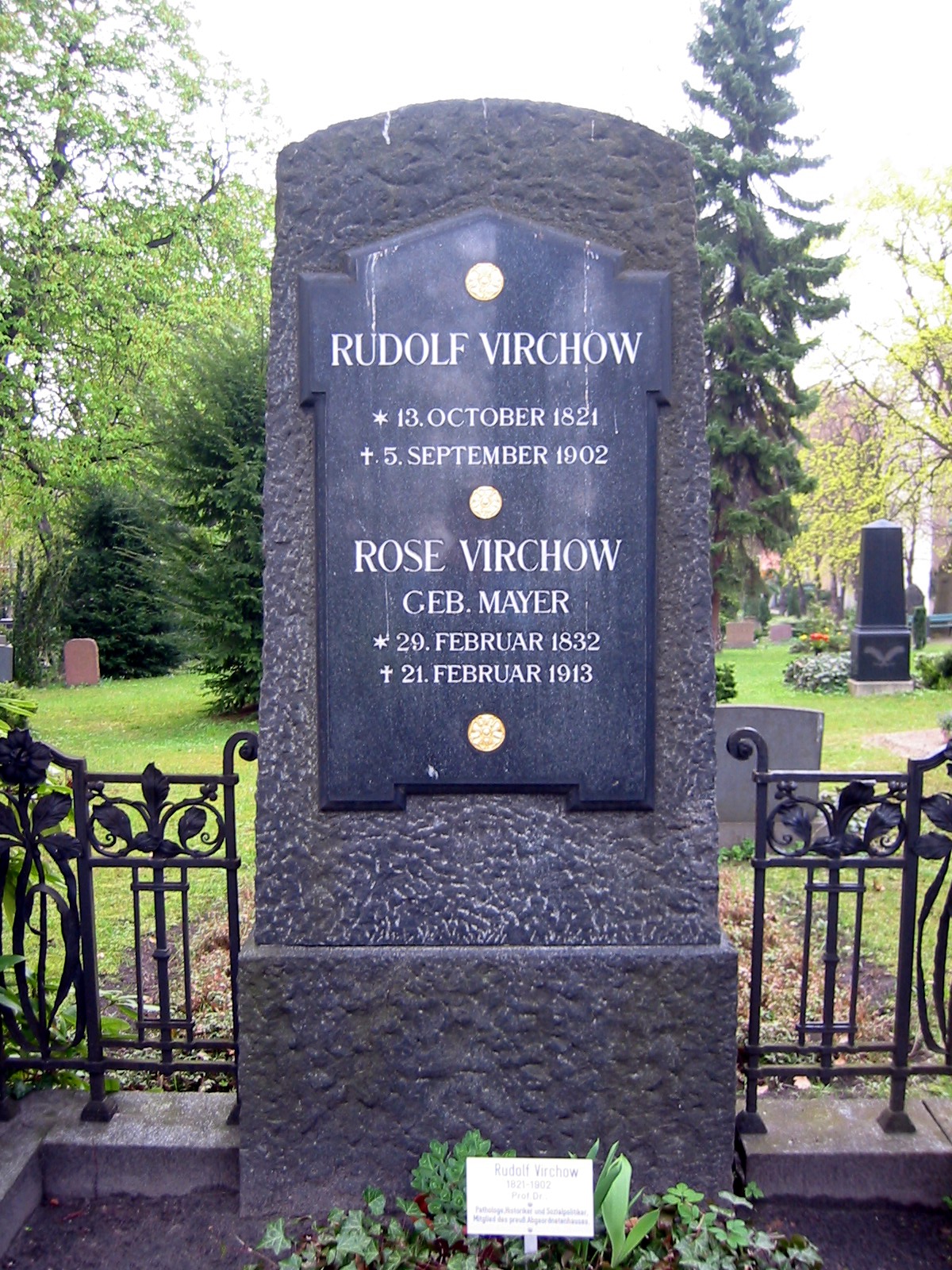
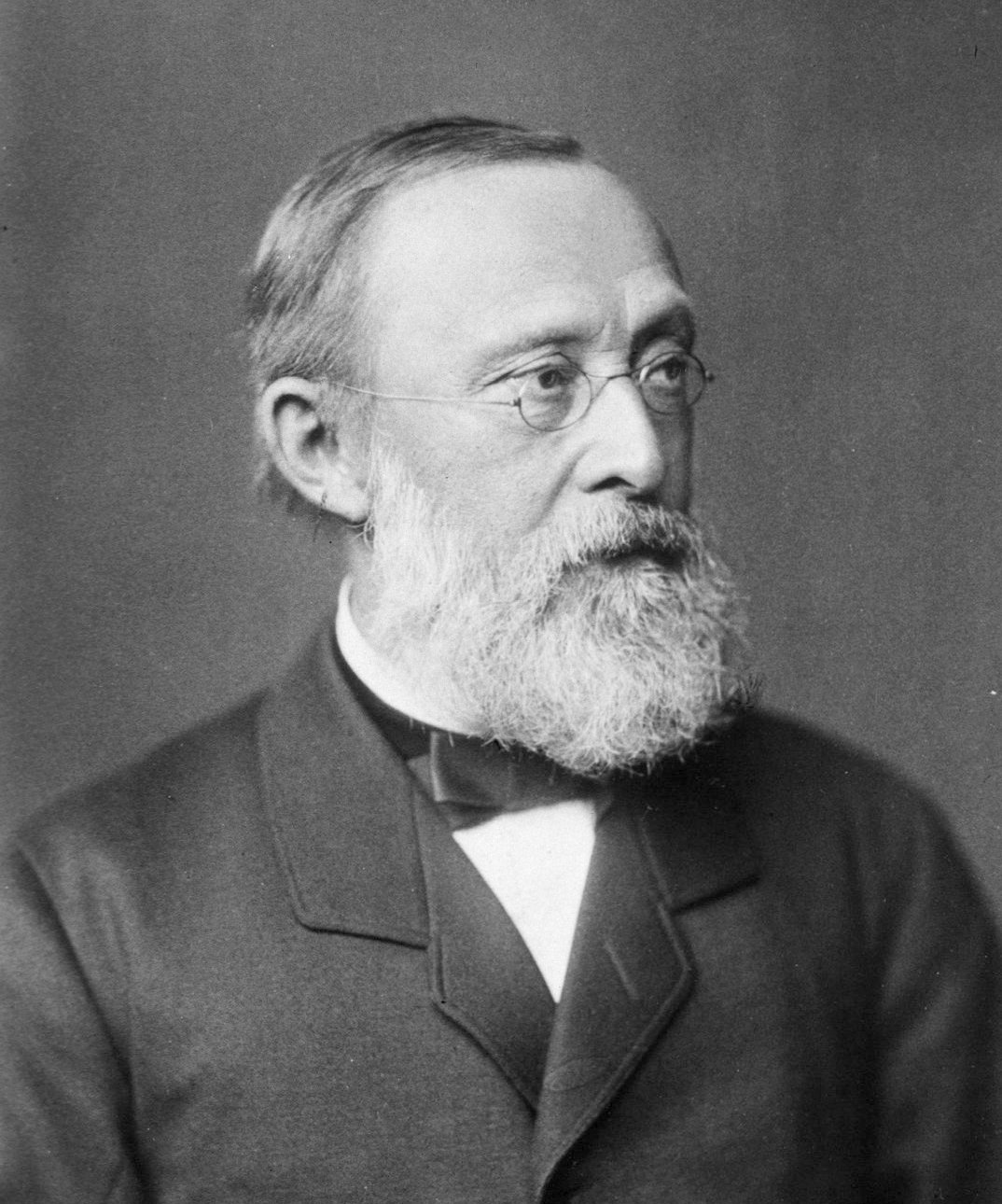
Rudolf Ludwig Karl Virchow (13 October 1821 – 5 September 1902) was a German physician, scientist and public figure whose work reshaped modern medicine. He is widely regarded as a founder of cellular pathology and an early advocate of social medicine and sanitary reform. His scientific writings, institutional leadership and political activity combined laboratory observation with concern for population health.
Image gallery
10 Images




Scientific contributions
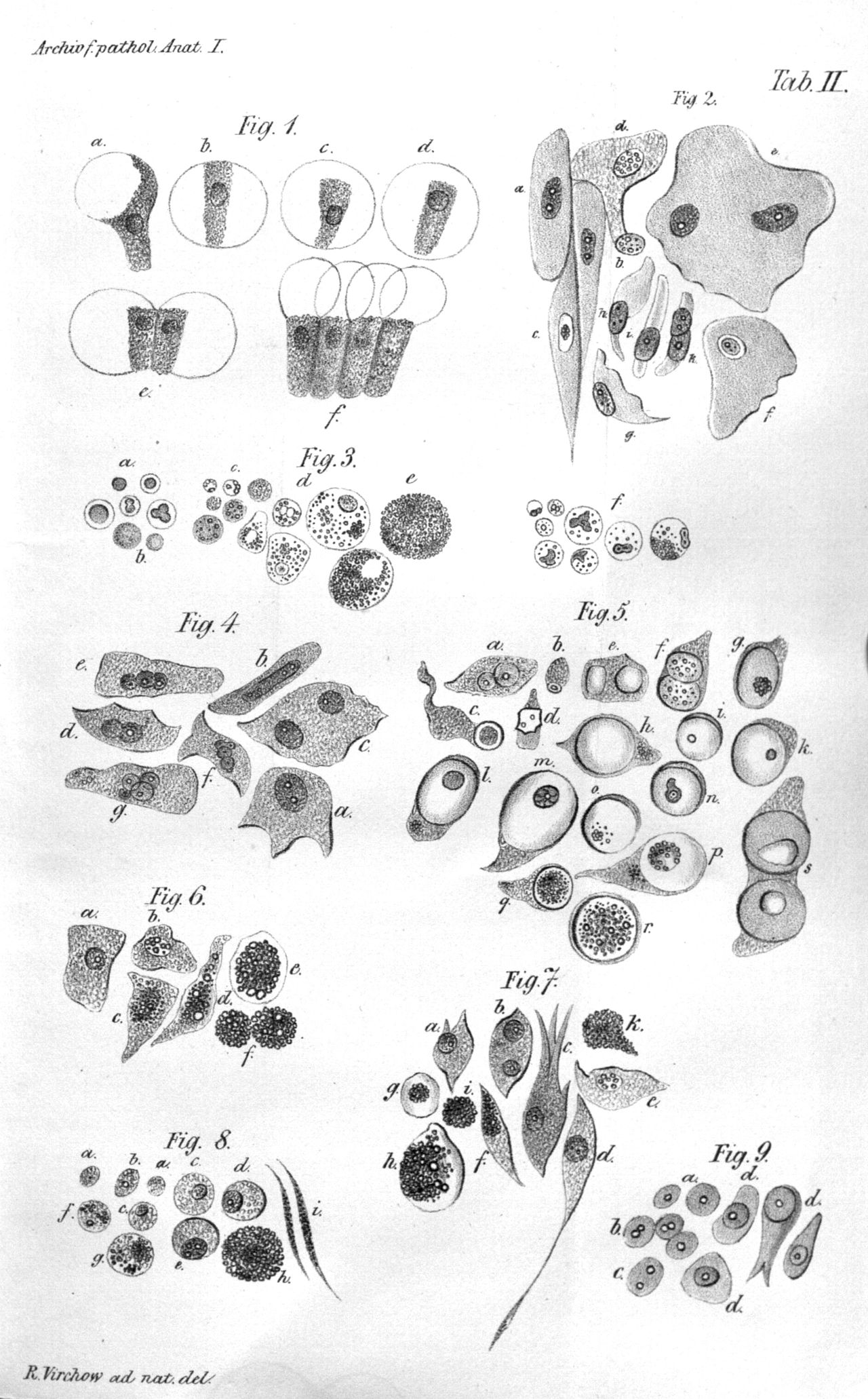
Virchow emphasized that disease arises primarily from changes in cells and tissues rather than from imbalances of humours. He set out these ideas in his influential textbook, often cited under the English title Cellular Pathology (1858), and popularised the phrase omnis cellula e cellula to express that cells come from pre-existing cells. By promoting careful microscopic study of tissues, he helped establish pathological anatomy as a central tool for diagnosis and research.
Institutional work and publications
As a professor and clinic director in Berlin, Virchow reorganized pathological laboratories and training, and founded a leading pathology journal that later became known as Virchows Archiv. He built collections, improved hospital practice, and argued for integrating laboratory methods into clinical medicine. Those institutional reforms influenced how pathology was taught and practiced across Europe.
Public health, politics and social medicine
Beyond the microscope, Virchow was an active public health campaigner. He used epidemiological observation to press for better sanitation, housing and public infrastructure, linking social conditions to illness. In political life he served in municipal and national bodies as a liberal voice for health reform, and is frequently cited as a progenitor of social medicine and public-health policy. Contemporary descriptions note his engagement as a public health advocate and reformer.
Other interests and legacy
Virchow also worked in comparative anatomy, anthropology and prehistory, contributing museum specimens and notes that informed early archaeological interpretation. He combined scientific breadth with a commitment to civic responsibility: a practicing clinician, an organizer of research, and an outspoken parliamentarian. Scholars and clinicians continue to reference his methodological insistence on cellular-level explanation when discussing the history of pathology.
Notable facts and major contributions
- Founder of modern cellular pathology and advocate of microscopic tissue analysis.
- Prominent public-health reformer who linked social conditions to disease and promoted sanitary measures.
- Organizer of pathological laboratories, educator at the Charité in Berlin, and founder of a major pathology journal.
- Active in anthropology, archaeology and the political life of 19th-century Germany.
For concise summaries of his life and work see resources on his medical career as a physician and pathologist and his contributions as a biologist and anthropologist. Overall, Virchow remains a central figure in the transformation of medicine from descriptive practice to a laboratory-based science closely tied to public welfare.
Questions and answers
Q: Who was Rudolf Virchow?
A: Rudolf Virchow was a German doctor, anthropologist, pathologist, prehistorian, biologist, and politician.
Q: Why is Rudolf Virchow called "the father of pathology"?
A: Rudolf Virchow is called "the father of pathology" because of his significant contributions to the field of pathology.
Q: What is the catch-phrase coined by Rudolf Virchow?
A: The catch-phrase coined by Rudolf Virchow is "omnis cellula e cellula," meaning, cells only derive from other cells.
Q: What is Rudolf Virchow known for in the field of medicine?
A: Rudolf Virchow is known for his advancement of public health and his contributions to the field of pathology.
Q: What is the significance of Rudolf Virchow's catch-phrase?
A: Rudolf Virchow's catch-phrase, "omnis cellula e cellula," is significant because it supports the theory that new cells can only arise from pre-existing cells.
Q: What are some other fields in which Rudolf Virchow made contributions?
A: In addition to medicine, Rudolf Virchow made contributions to anthropology, prehistory, biology, and politics.
Q: Is Rudolf Virchow considered one of the founders of social medicine?
A: Yes, Rudolf Virchow is considered one of the founders of social medicine.
Related articles
Author
AlegsaOnline.com Rudolf Virchow (1821–1902) Leandro Alegsa
URL: https://en.alegsaonline.com/art/84622