
Archduke
A historic noble title most closely associated with the Habsburgs of Austria. Ranked above duke and below king, it arose in medieval Austria and was used prominently in the Austrian and Austro‑Hungarian realms.
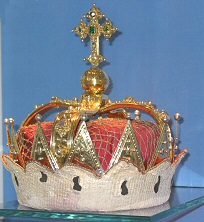
The title of archduke (female: archduchess; German: Erzherzog / Erzherzogin) denotes a high hereditary rank in European nobility. It is traditionally considered superior to a duke and inferior to a king. Unlike many other noble styles, archduke was rare and became strongly identified with a single dynasty rather than with a broad class of sovereign rulers.
Image gallery
7 Images


Rank and usage
As a form of princely status, archduke ranked above ordinary dukes and below monarchs. Holders were members of the ruling house and not independent sovereigns in the manner of some grand dukes. The style was normally hereditary within the family that held it, and archdukes typically carried additional dynastic or imperial styles reflecting other crowns or offices they held.
Origins and development
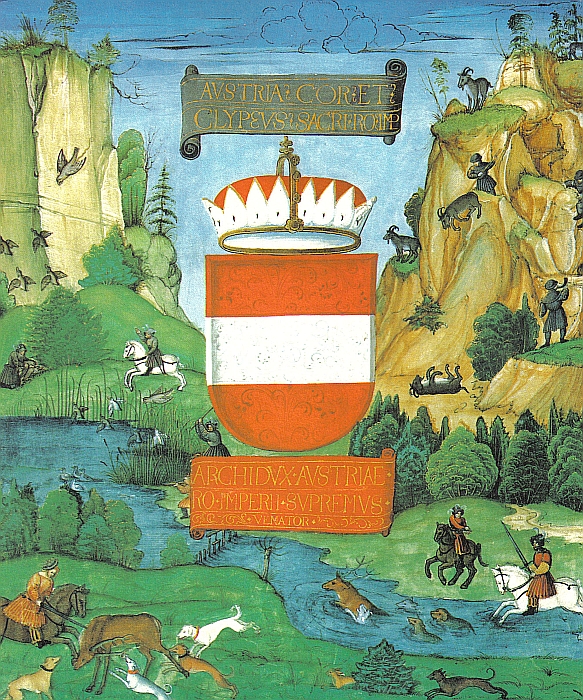
The title originated in the late medieval period as a claim by the rulers of Austria to higher prestige. Documents known as the Privilegium maius, created in the 14th century, asserted elevated rights and the archducal dignity for the Austrian line of the Habsburgs. While initially contested, the claim was later accepted and the title became a regular part of Habsburg titulature.
Importance and examples
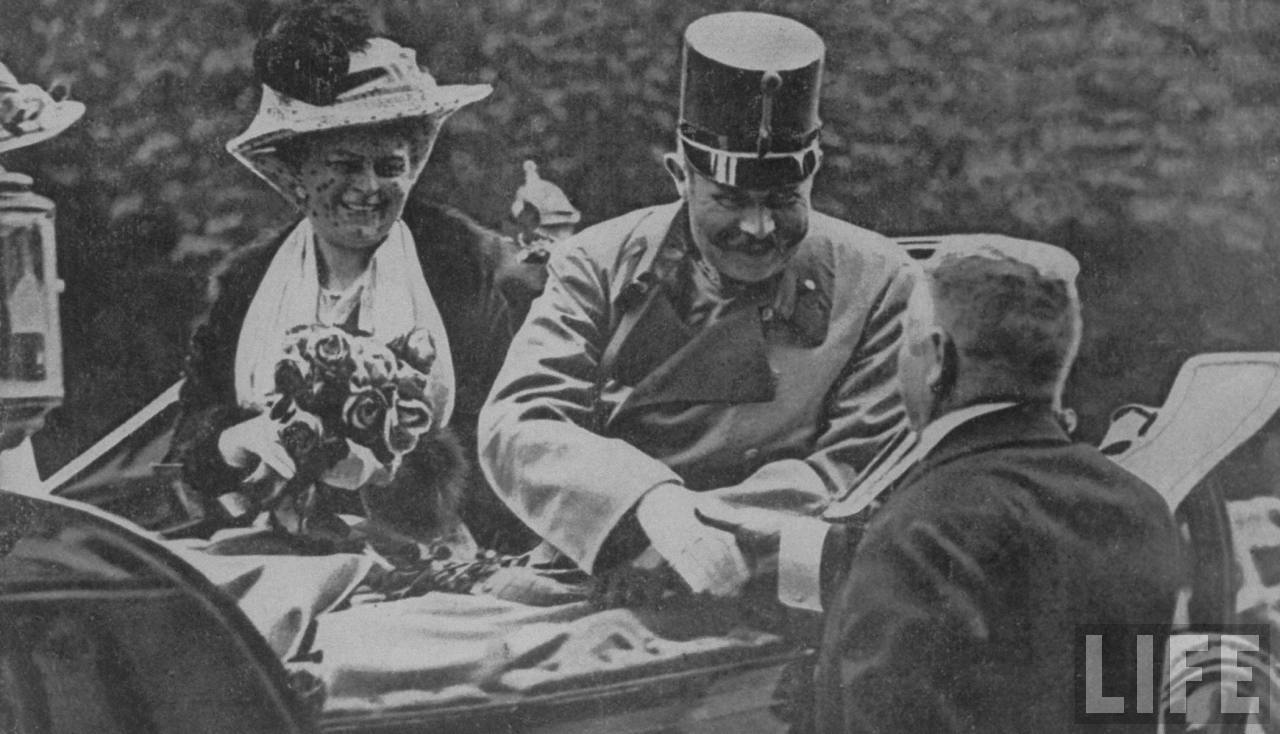
From the early modern period through the 19th century the title featured prominently in the Habsburg monarchy. Archdukes and archduchesses held military, administrative and dynastic roles across Habsburg lands. Famous bearers include Archduke Franz Ferdinand, whose assassination in 1914 helped precipitate World War I, and later figures such as Otto von Habsburg, a twentieth‑century head of the family and public figure.
Distinctions and legacy
Archduke should not be confused with "grand duke" or other princely titles used elsewhere in Europe; it was historically specific to the Habsburg context. The abolition of the Habsburg monarchy in 1918 ended official state use of the title, though it remains a dynastic and historical designation in genealogical and cultural contexts.
- Typical address: holders often bore compound styles reflecting imperial and royal connections.
- Female form: archduchess (used for daughters and wives within the dynasty).
- Modern relevance: chiefly of historical and genealogical interest.
Related articles
Author
AlegsaOnline.com Archduke Leandro Alegsa
URL: https://en.alegsaonline.com/art/5290
Sources
- etymonline.com : EtymologyOnLine
- geocities.com : Use of the title "archduke" in contemporaneous documents