
Royal Society for the Prevention of Cruelty to Animals (RSPCA)
The RSPCA is a long-established charity in England and Wales dedicated to preventing animal cruelty, rescuing and rehoming animals, enforcing welfare standards, educating the public and campaigning for better laws.
Overview
The Royal Society for the Prevention of Cruelty to Animals (RSPCA) is an independent charity that promotes animal welfare across England and Wales. It operates animal rescue and rehoming centres, runs education and advocacy programmes, and investigates reports of animal suffering. The organisation relies primarily on public donations and legacies to fund its work; it reported an income of about £100 million in 2005 and remains one of the largest charities in the UK. For organisational information see the official charity pages.
Image gallery
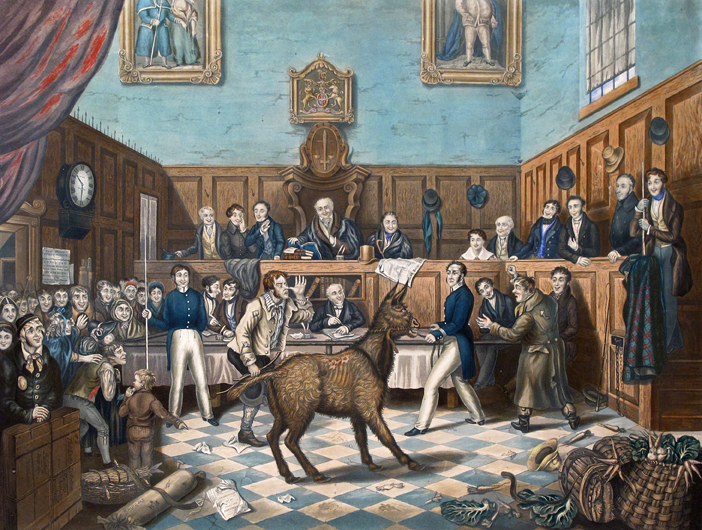
10 Images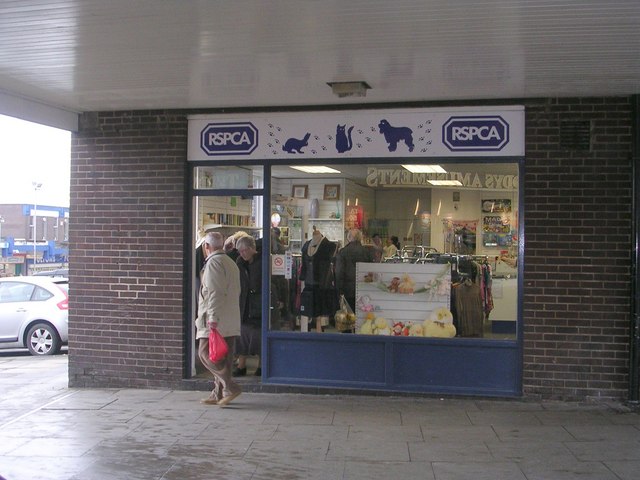


Activities and structure
The RSPCA carries out a range of services aimed at improving animals' lives. Its typical activities include:
- rescuing and rehoming neglected, injured or abandoned animals;
- providing veterinary care and rehabilitation;
- running education and outreach programmes to promote responsible ownership;
- investigating complaints of cruelty and neglect and supporting legal action where appropriate;
- campaigning for stronger animal welfare laws and better enforcement.
The charity employs inspectors and welfare officers who investigate concerns and may gather evidence used in prosecutions or in persuading owners to make improvements.
History and development
Founded in the early 19th century, the society grew from a grassroots movement opposing mistreatment of animals. It received royal patronage in the 19th century and expanded its remit as animal welfare became a public concern. Over the decades the RSPCA has professionalised its services, opened regional centres, and developed specialist teams for wildlife, farm animals and domestic pets.
Importance, examples and controversies
The RSPCA has played a central role in raising public awareness about animal welfare, influencing legislation, and providing direct care to thousands of animals each year. Its high public profile makes it a primary destination for people reporting cruelty in England and Wales. At the same time, it has faced debate over priorities, the limits of private charities acting in legal enforcement roles, resource allocation, and relationships with government and agricultural interests. Supporters point to rescue work and campaigning successes; critics sometimes question case handling or transparency.
How the public can help
Individuals can support the RSPCA by donating, volunteering at local branches, adopting animals from its centres, or reporting concerns about animal welfare. Educational programmes aimed at schools and communities encourage better long-term care of animals and reduce cruelty through awareness and training.
Related articles
Author
AlegsaOnline.com Royal Society for the Prevention of Cruelty to Animals (RSPCA) Leandro Alegsa
URL: https://en.alegsaonline.com/art/84507
Sources
- rspca.org.uk : About us