
Royal Society for the Protection of Birds (RSPB)
British conservation charity founded in 1889 that campaigns for bird protection, manages nature reserves, supports research and public engagement, and advocates for habitat and wildlife policy.
The Royal Society for the Protection of Birds (RSPB) is a major UK charity devoted to conserving birds and the habitats they depend on. Formally registered in Great Britain as a charity, the organisation combines scientific research, practical land management and public engagement to protect avian species and the wider environment. The RSPB operates nature reserves, organises community events and campaigns, and provides advice to landowners and policymakers as part of its conservation remit. Registered charity details are part of its public record and governance.
Image gallery
8 Images
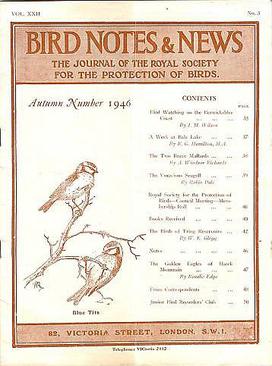


Origins and early history
The RSPB began in 1889 as the Plumage League, founded by Emily Williamson and a nucleus of women concerned about the widespread use of exotic feathers in fashionable clothing. Early members sought to reduce the demand driving large-scale killing of birds for plumage; their rules discouraged the destruction of birds and called on women to avoid non-food plumage in dress. The society grew by merging with like-minded groups, including the Fur and Feather League in Croydon, and gained influence through prominent patrons such as the Duchess of Portland and the Ranee of Sarawak. Ornithologists and other influential figures supported the cause, helping the society secure a Royal Charter in 1904 and press Parliament to consider legal restrictions on the trade in plumage. Contemporary descriptions of the trade show how extensive the market had been: imports included large numbers of bird-of-paradise skins and many thousands of other birds from regions such as the West Indies, Brazil and British India. Petitions to lawmakers and public pressure were central to early achievements.
Activities, structure and reach
Today the RSPB combines fieldwork, advocacy and public programmes. It manages around 200 nature reserves across the UK that provide habitat for breeding, migration stopovers and wintering birds, and it employs people in roles ranging from reserve wardens and scientists to education officers. The organisation draws on a large volunteer base and membership to deliver practical work and fund its activities. Numbers reported by the charity include thousands of staff and volunteers and over a million members, including a substantial youth contingent, which together support monitoring, habitat restoration and outreach. Staffing and operations, membership information and volunteer opportunities are publicised to encourage participation.
Work falls into several core areas: habitat management on reserves; species monitoring and scientific research; public education and community engagement; campaigning for stronger environmental policy; and influencing land use through partnerships with farmers, planners and local groups. The RSPB has been involved in high-profile public campaigns and petitions to raise awareness and change behaviour on issues such as illegal killing, habitat loss and the climate impacts that affect bird populations. Examples of public-facing activities include citizen-science events and annual surveys that help track long-term trends in garden and countryside birds. Campaigns and petitions remain a visible part of the organisation's profile.
Conservation focus and methods
The society’s conservation approach blends practical habitat work with research and policy engagement. Reserve management uses techniques like grazing control, reedbed creation, wetland restoration and predator management to support target species and ecological communities. Scientific programmes monitor population trends, migration patterns and breeding success; data from volunteers and staff feed into national assessments and inform policy recommendations. The RSPB’s remit extends beyond birds to broader environmental outcomes because healthy bird populations are often indicators of wider ecosystem health. For these reasons the charity frames much of its work in terms of habitat protection and restoration, linking species recovery to landscape-scale conservation. Conservation programmes and initiatives often stress habitat connectivity and resilience to environmental change. Work on the wider environment highlights the interdependence of birds and habitat.
Notable facts and legacy
- The RSPB grew from a women-led beginning at a time when fashion drove unsustainable exploitation; its early rules explicitly discouraged wearing non-food plumage.
- Record imports from the late 19th century give context to why the movement began; substantial numbers of bird-of-paradise and other species were traded for millinery and ornamentation. Bird-of-paradise trade, imports from the West Indies and Brazil and imports from British India are often cited in historical accounts.
- The society operates reserves and local groups that provide practical access for volunteers and members, helping connect people to nature and build public support for conservation measures.
While its profile was originally defined by opposition to fashions that endangered bird species, the RSPB’s remit has broadened to encompass modern conservation challenges such as habitat fragmentation, agriculture’s impact on biodiversity and climate change. Its combination of land stewardship, volunteer engagement and policy advocacy has made it one of the United Kingdom’s most recognisable conservation charities, with international influence through shared practices and partnerships. For further information on specific programmes, membership, volunteering or reserve locations consult the organisation’s public materials. Bird protection priorities, volunteer pages and resources provide practical entry points for those who wish to get involved.
Questions and answers
Q: What is the Royal Society for the Protection of Birds (RSPB)?
A: The RSPB is an organisation registered in Great Britain as a charity. It works to promote conservation and protection of birds and the wider environment, and operates nature reserves throughout the United Kingdom.
Q: When was it founded?
A: The RSPB was founded as the Plumage League in 1889 by Emily Williamson.
Q: How many members does it have?
A: The RSPB has more than a million members, including 150,000 youth members. It is the largest wildlife conservation charity in Europe.
Q: Who were its original members?
A: The original members of the RSPB were all women who campaigned against the fashion of wearing exotic feathers in hats.
Q: What did they campaign against?
A: They campaigned against the fashion of wearing exotic feathers in hats.
Q: Who supported them?
A: The society attracted support from some women of high social standing who belonged to the social classes that popularised feathered hats, including the Duchess of Portland (who became its first President) and Professor Alfred Newton, among others.
Q: Did they receive a Royal Charter?
A: Yes, they received a Royal Charter from Edward VII in 1904 which petitioned Parliament to introduce laws banning plumage use in clothing.
Related articles
Author
AlegsaOnline.com Royal Society for the Protection of Birds (RSPB) Leandro Alegsa
URL: https://en.alegsaonline.com/art/84508
Sources
- rspb.org.uk : RSPB Annual Report 2014
- rspb.org.uk : "RSPB website"
- rspb.org.uk : "What does the RSPB do?" · web.archive.org
- rspb.org.uk : "About the RSPB"
- rspb.org.uk : "Reserves"
- rspb.org.uk : "History of the RSPB"
- rspb.org.uk : Milestones. RSPB