
Royal College of Physicians
Founded by royal charter in 1518, the Royal College of Physicians is a UK professional body that sets clinical standards, administers postgraduate assessment, supports education and preserves medical archives.
The Royal College of Physicians (RCP) of London is one of the oldest and most influential medical professional bodies in the English‑speaking world. Established by royal charter in 1518 under King Henry VIII, it was the first medical corporation in England to receive formal royal recognition. Over five centuries the College has evolved from a licensing and disciplinary body into a modern institution that shapes postgraduate medical education, clinical standards and aspects of public health policy.
Image gallery
6 Images


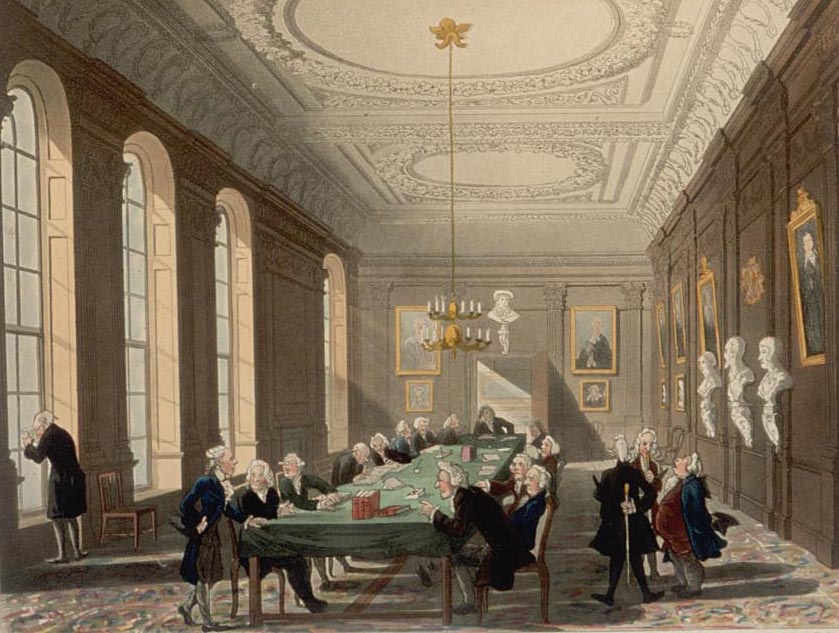
History and mission
The College was originally founded to examine and licence physicians, to protect patients from unqualified practice and to raise standards of medical training. Its long institutional history includes the accumulation of legal statutes, a specialist library and historical collections that document changes in medical knowledge and practice. The RCP also maintains ceremonial and scholarly traditions, such as annual lectures and orations that connect contemporary medicine with its early modern origins.
Roles and activities
- Setting clinical standards and producing guidance aimed at improving patient care and safety.
- Providing postgraduate examinations and qualifications that form part of physician training pathways.
- Delivering continuing professional development, educational curricula and assessment for doctors at different career stages.
- Advising government, healthcare organisations and the public on workforce planning, clinical governance and health policy.
- Maintaining a specialist medical library and museum that support historical research and professional learning.
Qualifications and membership
Affiliation with the College recognises a level of professional achievement. Commonly referenced postnominals include membership and fellowship designations. Membership examinations are a recognised step in specialist training and are delivered in cooperation with the other UK colleges that together administer the UK physician membership examinations. Fellowship is generally conferred on senior physicians in recognition of contribution to medicine and to the College’s work.
Significance and outreach
The RCP contributes to clinical improvement through publications, audits, training programmes and policy reports. Its guidance and expert advice are used by clinicians, health services and policymakers. The College’s headquarters in central London houses its library and archives and provides a venue for lectures, education and professional ceremonies. For historical reference and the original grant of authority see the Royal Charter (1518).
The RCP continues to adapt its activities to changing healthcare systems while preserving a role in professional standards, medical scholarship and the historical record of the practice of medicine.
Related articles
Author
AlegsaOnline.com Royal College of Physicians Leandro Alegsa
URL: https://en.alegsaonline.com/art/84445