
Roubaix — industrial city in Hauts-de-France, known for textiles and cycling
Roubaix is a northern French city near Lille, historically a textile center and the finish town of the Paris–Roubaix cycling classic. It combines industrial heritage, cultural renewal and cross‑border links.
Overview
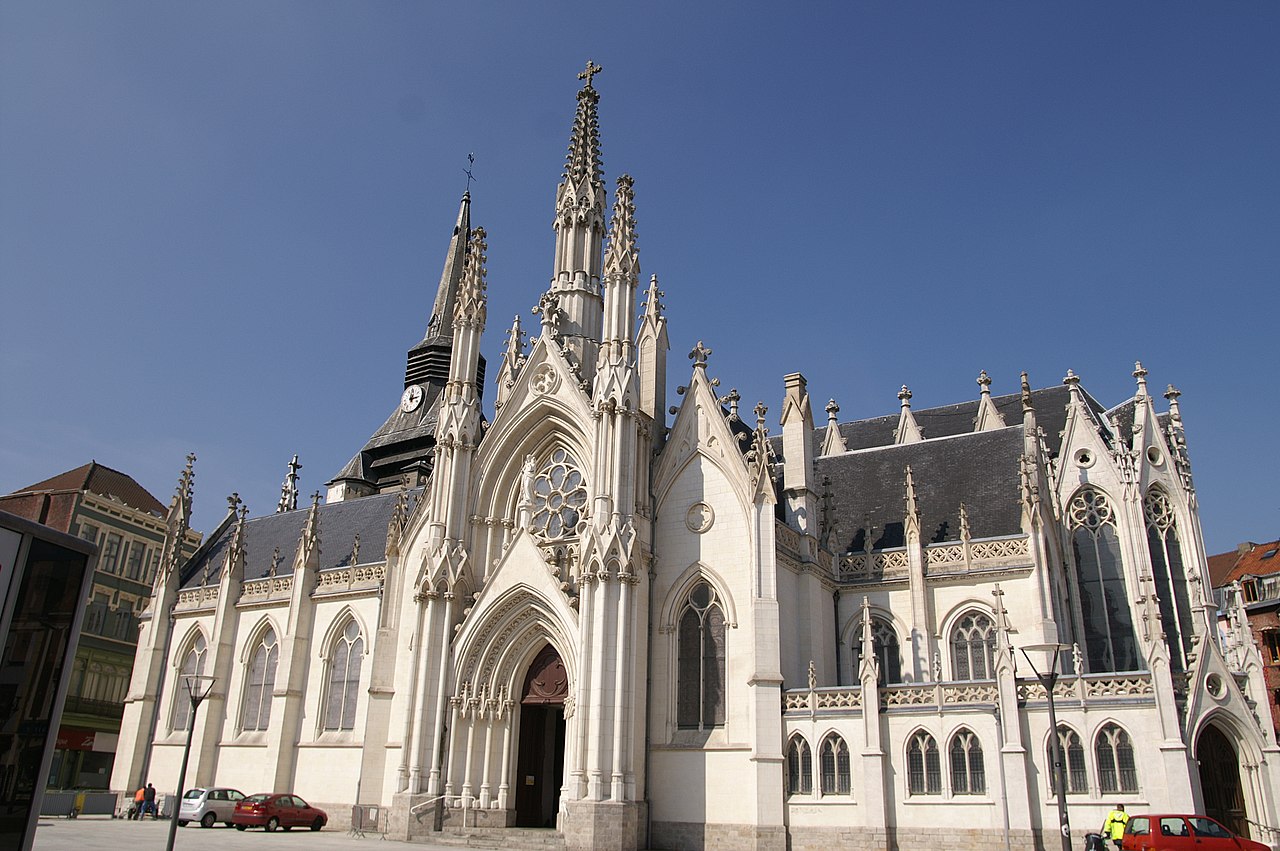
Roubaix is a city in the Nord department of northern France, located within the Hauts‑de‑France region and the greater area of north France. Its population is on the order of tens of thousands, making it one of the principal cities in the Lille metropolitan zone. Roubaix lies immediately adjacent to Lille and Tourcoing, and is only a short distance from the Belgian border.
Image gallery
10 Images




Geography and transport
The city forms part of a dense urban cluster around Lille and benefits from several public transit connections. Local and regional services link Roubaix with its neighbours by metro and by tram; these links improve daily commuting and economic exchange and are served by lines that connect to central Lille and outlying suburbs (metro, tram).
History and industrial heritage
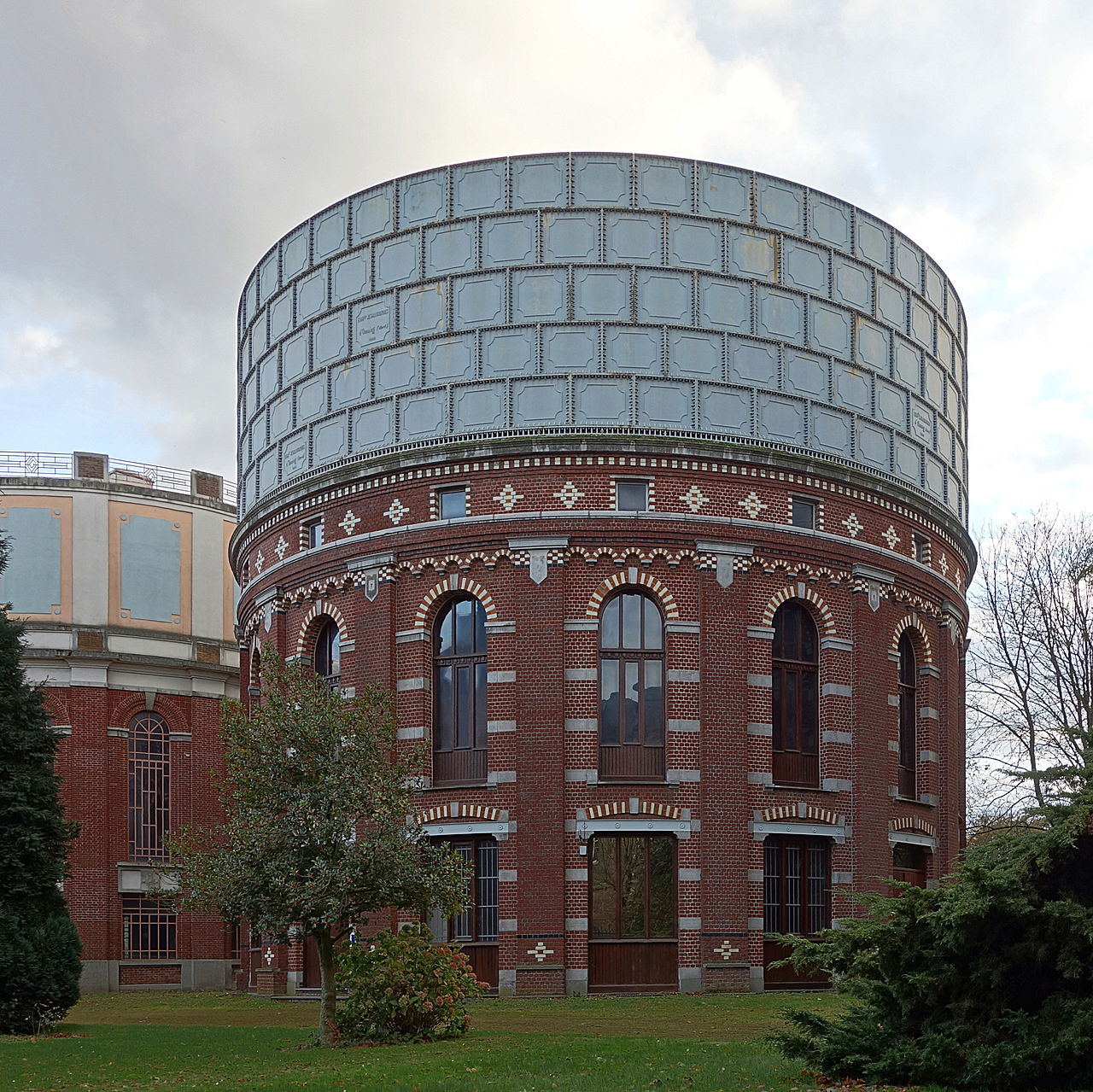
Roubaix grew rapidly in the 19th century as a center of textile manufacturing. Its mills, workshops and factories gave the town a strong industrial character and wealth associated with wool and cotton production. Like many industrial cities, Roubaix experienced post‑war decline as manufacturing declined, but many former industrial buildings have been repurposed for cultural institutions, museums and creative uses.
Paris–Roubaix: the cycling landmark
Roubaix is internationally known as the traditional finish of the spring classic Paris–Roubaix. The one‑day race is famous for its demanding course, which runs roughly 260 km and typically includes many stretches of exposed cobblestones. Riders and fans call it the "Hell of the North" because of the punishing terrain and changeable weather; the race frequently ends in the Roubaix velodrome, a distinctive local landmark.
Culture, economy and points of interest
Contemporary Roubaix mixes its industrial past with cultural renewal and social diversity. Redeveloped mill buildings now host museums, galleries and design workshops. Notable sites include:
- La Piscine (Musée d'Art et d'Industrie), an art and industry museum housed in a converted art‑deco swimming pool.
- The Roubaix velodrome, known for its association with the cycling classic finish.
- Former textile sites transformed for education, commerce and creative industries.
Roubaix remains an example of an industrial city undergoing economic and cultural transition: it retains strong historical identity while adapting to contemporary urban challenges and opportunities, including cross‑border cooperation with neighbouring Belgium and integration into the Lille metropolitan economy.
Related articles
Author
AlegsaOnline.com Roubaix — industrial city in Hauts-de-France, known for textiles and cycling Leandro Alegsa
URL: https://en.alegsaonline.com/art/84300