
Paris-Roubaix: The Hell of the North, a classic one-day cycling race
Paris-Roubaix is a historic spring classic in northern France, famed for long cobbled sectors, rough conditions and a velodrome finish. It is one of cycling's oldest and most demanding one-day races.
Overview
Paris-Roubaix is a one-day professional road cycling race held in northern France. Traditionally staged in the spring, it begins near Compiègne and finishes in Roubaix, close to the Belgian frontier. The event is part of the international elite calendar and has been included in major series such as the UCI ProTour and earlier world cup programs. It is widely known by its nickname, The Hell of the North, a sobriquet that evokes both its brutal terrain and its long history.
Image gallery
10 Images


Course and defining characteristics
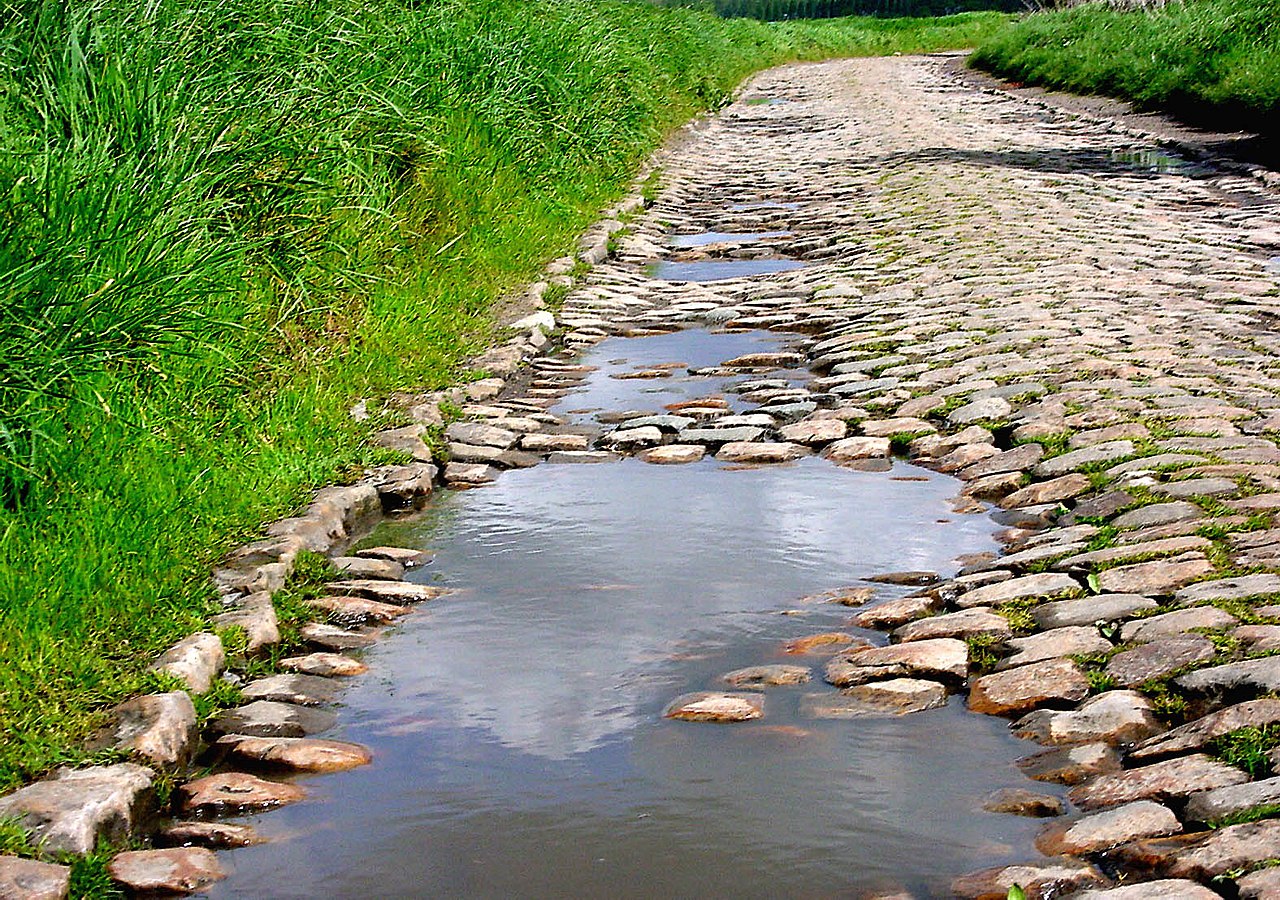
The race is famous for long stretches of uneven, often muddy cobblestones (pavé). These sectors vary in length and difficulty and are typically unpaved or set with old stone blocks that punish riders and equipment alike. The route traverses rural roads, farm lanes and exposed plains, making weather a decisive factor. The grand finale traditionally takes place on the Roubaix velodrome, where solo riders or small groups sprint for the win under the boards.
History and development
First organized in the late 19th or early 20th century, Paris-Roubaix became a touchstone of the so-called classics season. It earned its bleak nickname in the aftermath of wartime reportage and because of the devastation and mud that have sometimes accompanied early editions. Over the decades the race has adapted its route and classification within international cycling, but it has preserved the cobbled sectors and the emphasis on endurance, bike-handling and resilience.
Tactics, equipment and spectacle
Success requires toughness, precise positioning and mechanical reliability. Teams protect leaders from crashes and splits, while soigneurs and mechanics stand ready to perform rapid wheel and bike changes. Equipment choices often include wider tires, reinforced frames and, in modern times, disc brakes and tubeless setups where regulations allow. The spectacle combines the drama of attrition with tactical bursts of aggression when riders attack on key cobbled sections.
Importance and notable facts
- Paris-Roubaix is considered one of cycling's most prestigious one-day races and is grouped among the northern spring classics and monuments.
- Its nickname, The Hell of the North, reflects both the course's physical severity and its storied past.
- The event has featured many celebrated specialists and multiple-time winners; it has been a showcase for northern European riders and classics specialists from across the continent.
Further reading and context
For an introduction to the race and its place in the sport, see resources describing the single-day professional bicycle road race tradition and the wider family of Classic cycle races. Regional guides discuss the race's setting in northern France and the urban and rural towns it passes through. International event listings and historical summaries are available through cycling tour and federation overviews (Roubaix, Compiègne, UCI ProTour pages).
Questions and answers
Q: What type of race is Paris-Roubaix?
A: Paris-Roubaix is a professional bicycle road race.
Q: Where is the Paris-Roubaix race held?
A: The race is held in northern France, starting in Compiègne and finishing in Roubaix.
Q: What is the nickname of Paris-Roubaix?
A: The nickname of the race is The Hell of the North.
Q: Is Paris-Roubaix part of the UCI Road World Cup races?
A: Yes, Paris-Roubaix is one of the ten UCI Road World Cup races.
Q: Has Paris-Roubaix become part of the UCI ProTour?
A: Yes, Paris-Roubaix has become part of the UCI ProTour.
Q: Is Paris-Roubaix one of the Classic cycle races?
A: Yes, Paris-Roubaix is one of the Classic cycle races.
Q: Where is the finishing point of the Paris-Roubaix race?
A: The finishing point of the race is in Roubaix, near the Belgian frontier.
Related articles
Author
AlegsaOnline.com Paris-Roubaix: The Hell of the North, a classic one-day cycling race Leandro Alegsa
URL: https://en.alegsaonline.com/art/74678