
Rook (chess piece)
The rook is a major chess piece that moves along ranks and files, begins two per player, participates in castling, and is valued for its power on open lines and in endgames.
Overview
The rook is a major piece used in the board game board game of chess. Each side starts with two rooks, usually placed in the corners of the back rank (a1 and h1 for White; a8 and h8 for Black). In algebraic notation a rook is abbreviated as R and in printed diagrams is often shown as a small figurine. It is commonly called a "rook" or sometimes a "castle" in informal contexts.
Image gallery
8 Images




Movement and basic rules
The rook moves any number of unoccupied squares along a rank (row) or file (column). It captures by occupying the square of an opposing piece. The rook cannot jump over pieces; any intervening piece blocks its path. Because of this straight-line movement, rooks are strongest on open files and open ranks where their range is unobstructed.
Special rules and interactions
- Castling: A rook participates in castling with the king if neither piece has moved, the squares between them are empty, and the king does not move through or into check. Castling moves the rook to the square the king passes over.
- Promotion: A pawn that reaches the far rank may be promoted to a rook (or another piece), producing an additional rook if desired.
- Value: Rooks are typically assigned a relative material value of about five pawns, making them more valuable than bishops or knights but less than a queen.
Strategic role
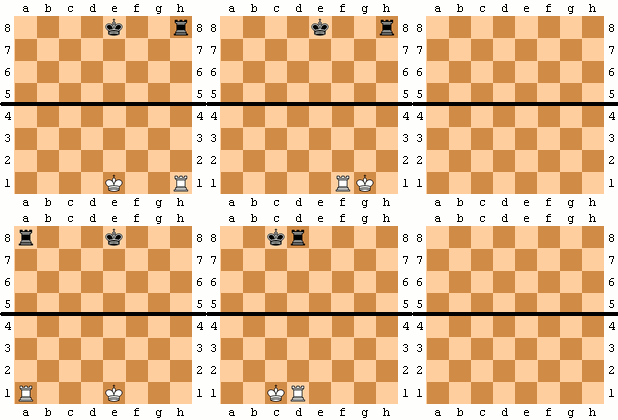
Rooks play several key strategic roles. They dominate open files and control ranks, support passed pawns, and combine powerfully in the endgame—two rooks often force mate against a lone king with correct technique. Common rook maneuvers include doubling on a file (placing two rooks on the same file), lifting a rook to the third rank to join an attack, and occupying the seventh rank to attack enemy pawns and pieces from behind.
History and names
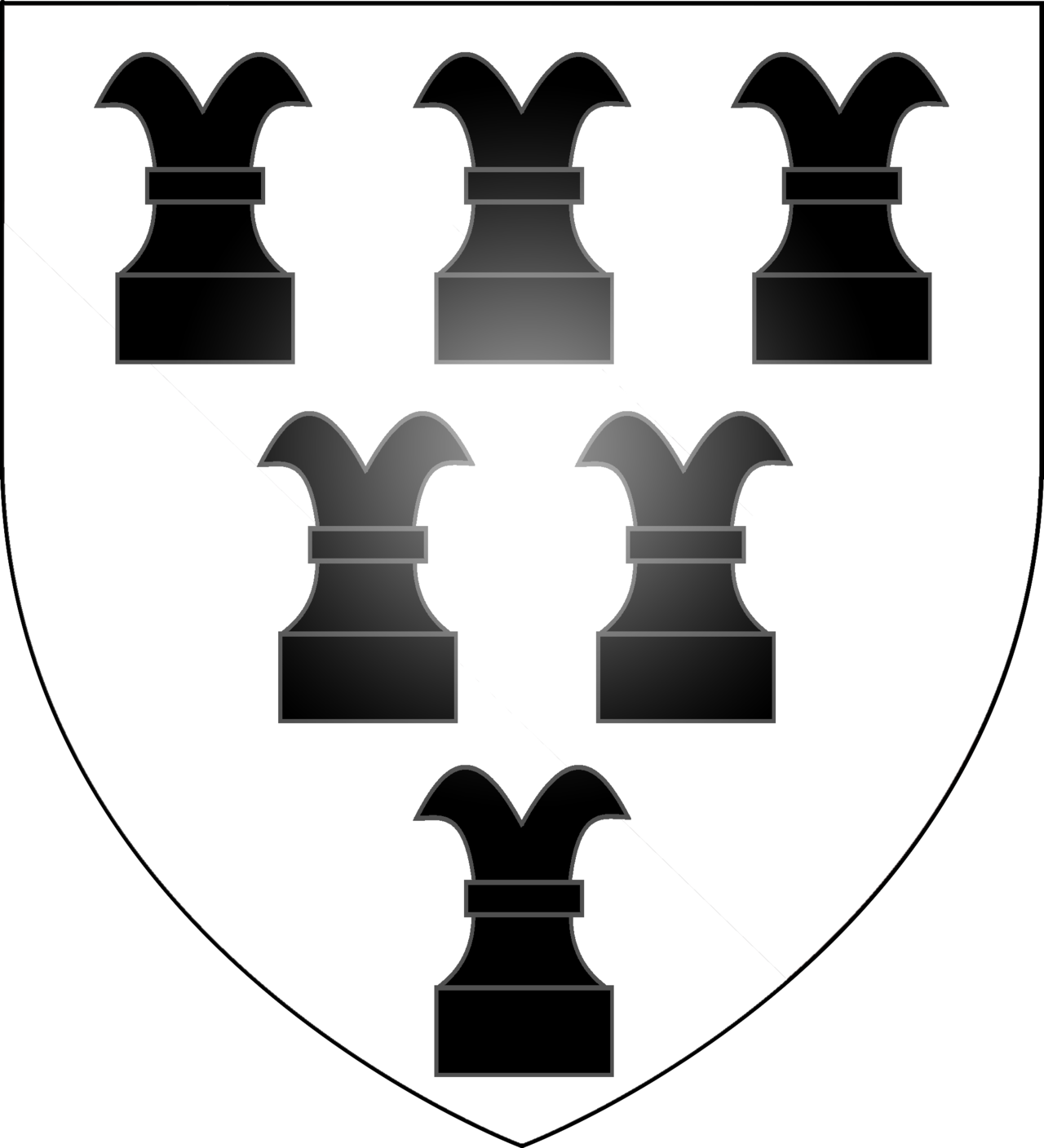
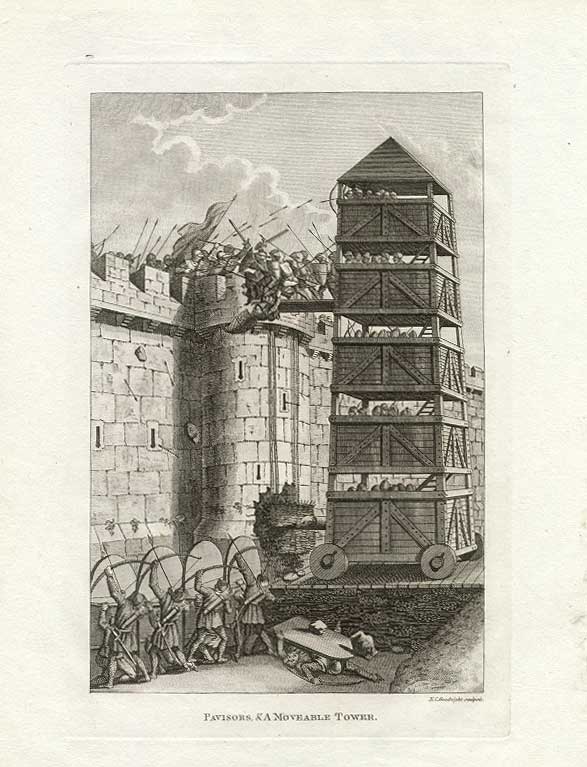
The name "rook" derives from the Persian word رخ (rokh), reflecting the piece's origins in early Indo-Arabic forms of the game; for further context see the history of chess. Across languages the rook has been likened to a chariot, tower, or ship, which explains variations in its depiction and terminology. Early chess variants had related pieces with different rules, but the modern rook's straight-line movement has been stable for many centuries.
Notation, examples and variants
In game records the rook is written as R. Practical examples of rook play include rook and pawn endgames—where active rooks and passed pawns decide outcomes—and tactical motifs like back-rank mates that exploit a king trapped behind its pawns. Some regional or historical variants change the piece's appearance or name, but its fundamental role as the long-range orthogonal mover remains central to chess strategy.
For diagrams and further reading on rules and theory, consult introductory resources and game collections that illustrate rook tactics and endgame technique.
Questions and answers
Q: What is a rook?
A: A rook is a piece in the board game of chess.
Q: What is the origin of the name "rook"?
A: The name "rook" comes from its name in the old Indo-Arabic game.
Q: How many rooks does each player start the game with?
A: Each player starts the game with two rooks.
Q: How is a rook abbreviated when recording games?
A: A rook is abbreviated to R when recording games.
Q: What is used to represent a rook when printed?
A: A figurine is used to represent a rook when printed.
Q: What is the Persian word for rook?
A: The Persian word for rook is "rokh".
Q: What is the history of chess?
A: The history of chess is the evolution of the game from its origins to the present day. The old Indo-Arabic game is believed to be the precursor to modern chess.
Author
AlegsaOnline.com Rook (chess piece) Leandro Alegsa
URL: https://en.alegsaonline.com/art/84036