
Romford: East London Market Town and Urban Centre
Romford is a historic market town in the London Borough of Havering. Now a busy retail and transport hub in east London, it blends medieval origins with modern shopping, culture and transport links.
Overview
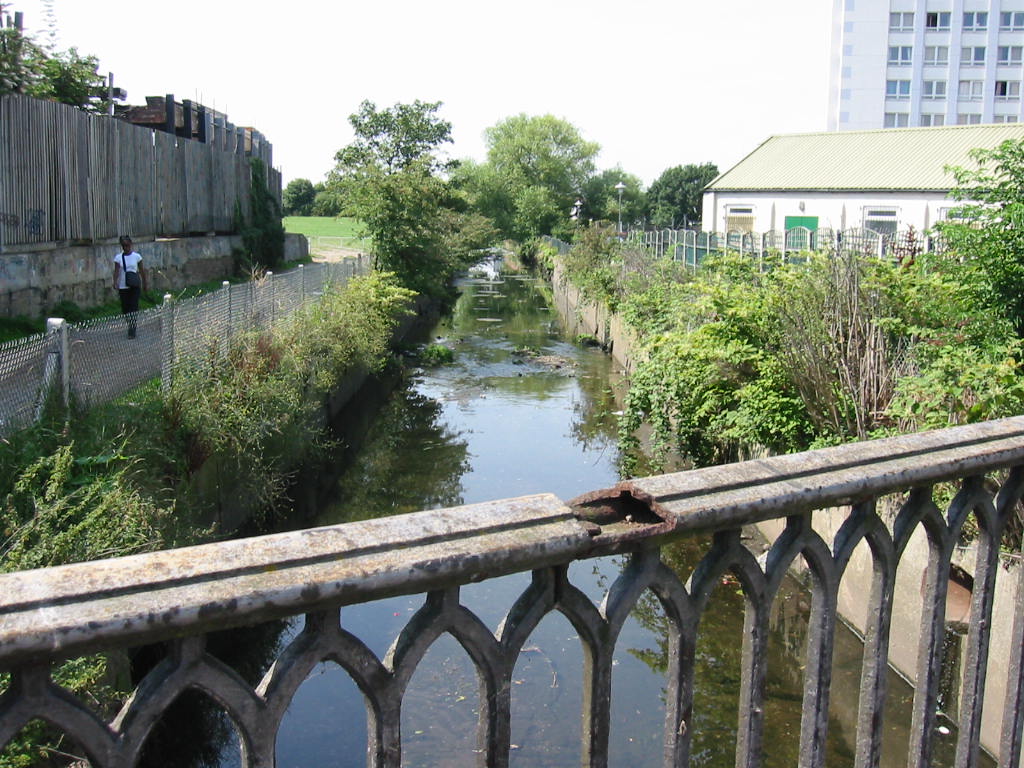
Romford is a town in east London, administratively part of the London Borough of Havering in England. Historically a market town, it has grown into a mixed urban centre with retail, leisure and transport functions. The town centre retains a market square and a high street character alongside more modern shopping and entertainment facilities. The name Romford is commonly understood to mean "wide ford", and the watercourse that runs through the area later became known as the River Rom.
Image gallery
10 Images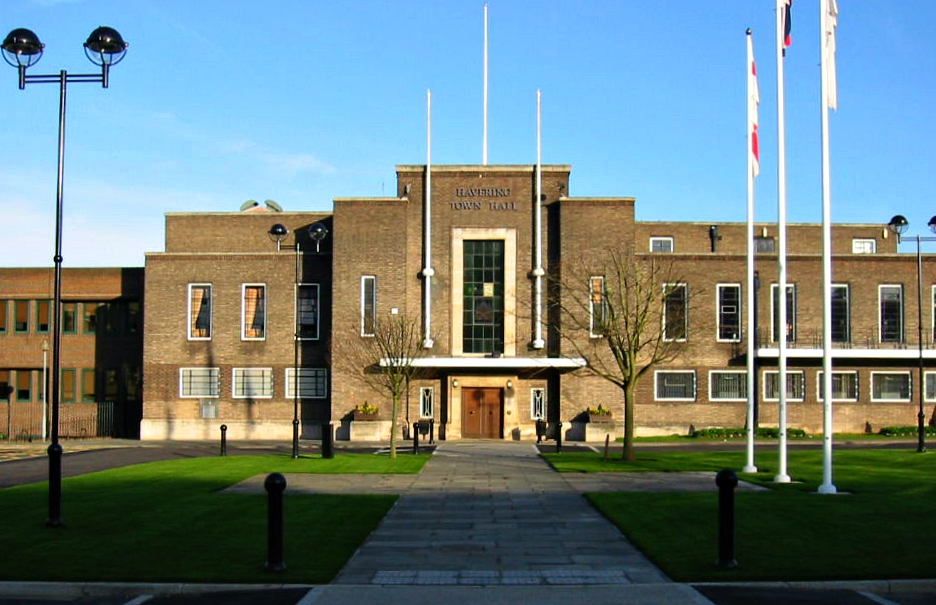


History
Romford was first recorded in medieval documents, appearing in the Red Book of the Exchequer in the 12th century (medieval fiscal records). In the Middle Ages it was granted market rights, which established it as the primary place for trade and livestock sales in the surrounding countryside. Those rights shaped the town's economic importance for centuries and were still cited in modern disputes about competing markets in nearby towns.
Market and economy
The market has been central to Romford's identity. For many years it served a wide rural hinterland and helped the town develop as a local commercial hub. In more recent times the local economy has diversified into retail, hospitality, professional services and leisure. Industrial and brewing activity were part of Romford's economy in the 19th and 20th centuries; some former industrial sites have been repurposed for entertainment, restaurants and cultural venues, reflecting broader urban regeneration trends.
Transport and growth
The arrival of rail and improved road connections in the 19th and 20th centuries accelerated suburban growth and made Romford an important commuter centre for people travelling to central London. Regular rail services and bus links connect the town to other parts of Greater London and neighbouring counties, supporting both daily commuting and local shopping trips. Transport improvements have been a major factor in Romford's transition from a rural market town into a suburban urban centre.
Urban development and civic role
Romford functions as a commercial and civic focus for the eastern part of the borough. Its town centre contains a mix of older buildings and postwar development, civic offices and community facilities. Planning and redevelopment projects in recent decades have aimed to balance conservation of historic elements with new housing, retail space and public realm improvements. The town's market rights were even invoked in late 20th-century commercial disputes, such as opposition to new markets proposed in neighbouring towns like Ilford.
Culture, amenities and community
Local amenities include shops, restaurants, leisure spaces and community venues. Cultural activity ranges from markets and seasonal events to independent arts and leisure offerings. The reuse of former industrial buildings, including brewery sites, for hospitality and entertainment is an example of how the town has adapted to changing economic patterns while retaining links to its past.
Further reading and resources
- Local history and archives held by the borough: Havering local resources.
- Introductions to medieval records and place-name evidence: historic records.
- Practical guides to contemporary shopping and market information: market history and listings.
- Contextual information about neighbouring towns and suburban growth: regional context, Ilford.
Related articles
Author
AlegsaOnline.com Romford: East London Market Town and Urban Centre Leandro Alegsa
URL: https://en.alegsaonline.com/art/83937
Sources
- ukcensusdata.com : ukcensusdata.com/havering-e09000016