
Ilford — town in Greater London and administrative centre of Redbridge
Ilford is a large town in northeast Greater London, headquarters of the London Borough of Redbridge. Historically part of Essex, it grew around river, roads and rail and remains a busy commercial and transport hub.
Overview
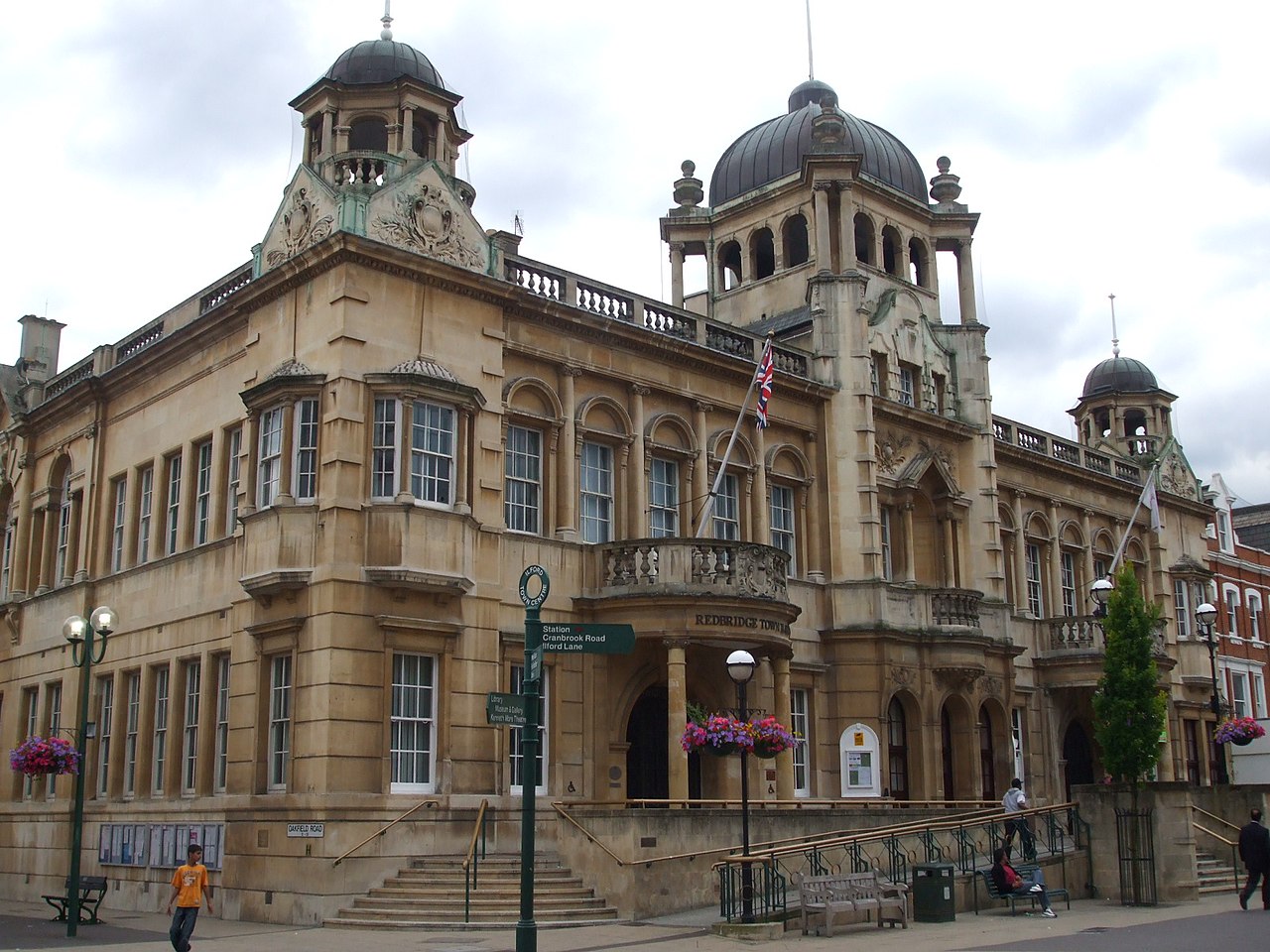
Ilford is a substantial town in northeast Greater London and serves as the administrative centre of the London Borough of Redbridge. Identified as a major town in the London Plan, Ilford lies to the east of central London and has long been a focus for suburban growth, commerce and local government. For a simple location reference see the local area map.
Image gallery
10 Images




Location and transport
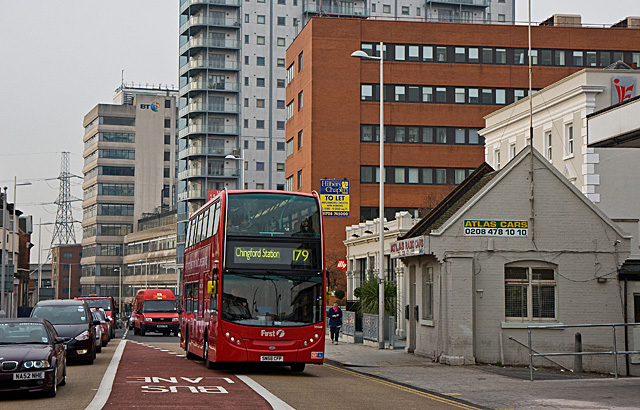
Ilford occupies a strategic position close to the River Roding and on historic routes leading east from London. Today it is well connected by rail and road: Ilford railway station links the town with central London and beyond, and frequent bus services serve local journeys. Major arterial roads and nearby orbital routes provide road access across Greater London. The town is firmly within the Greater London administrative area and part of the capital's planning zones; more on its metropolitan setting can be found at Greater London.
Historical development
Originally a small settlement in the county of Essex, Ilford expanded from a riverside and road-side village into a lively suburban town. Its growth accelerated with the arrival of the railway in the 19th century, which encouraged housing, trade and light industry. Ilford became a municipal borough in the early 20th century and later, with local government reorganisation in the 1960s, it was incorporated into Greater London. The town remains linked to its Essex past in local memory and identity; the borough's offices and civic services are described at Redbridge headquarters.
Economy, culture and community
Ilford functions as a commercial centre for the surrounding suburbs. The High Road contains many shops, banks and restaurants, reflecting the town's multicultural population and tastes. Over time Ilford has hosted light manufacturing and service industries; the name of the town is historically associated with photographic materials manufacturers who established operations here in the 19th century. Religious centres, cultural associations and community groups contribute to a diverse civic life.
Landmarks and green spaces
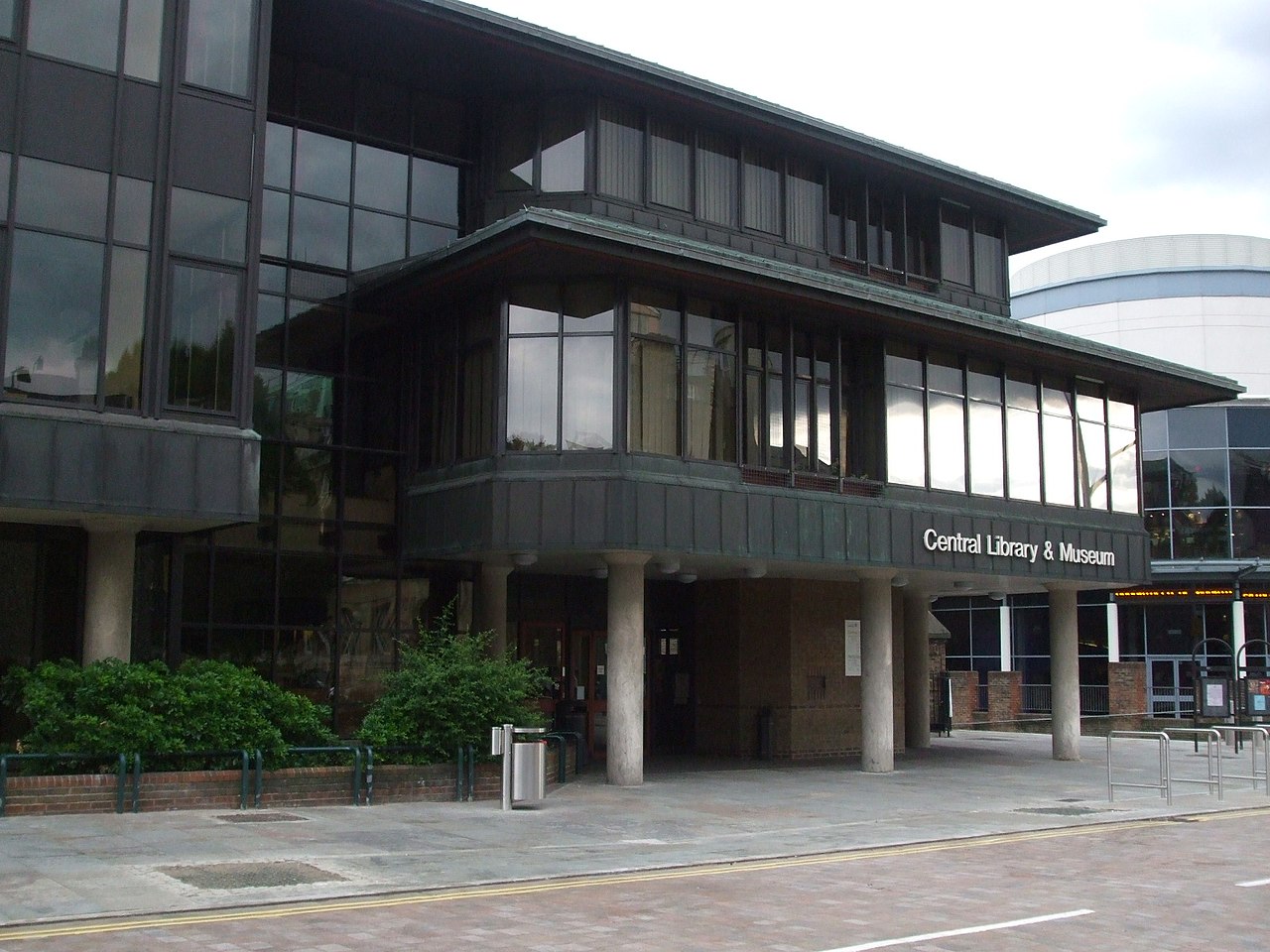
While largely urban, Ilford includes parks and civic landmarks that serve residents and visitors. Notable public green spaces provide sport and leisure facilities, while historic buildings and civic amenities underscore the town's role as a local centre. For information about municipal services and local history resources see the borough pages at Redbridge local services. Visitors looking into older administrative boundaries may consult sources on historic Essex at Essex history.
Distinctive features and identity
Ilford's modern identity rests on its role as a busy suburban hub with a diverse population, strong transport links to central London, and a mixture of retail, civic and residential areas. The town illustrates the pattern of 19th- and 20th-century suburbanisation around London railways and continues to evolve as part of the wider metropolis while retaining references to its earlier county heritage.
- Key themes: suburban growth, transport hub, civic centre of Redbridge
- Notable for: multicultural high street, parks, historic industrial links
- Administrative status: major town in Greater London and borough headquarters
Related articles
Author
AlegsaOnline.com Ilford — town in Greater London and administrative centre of Redbridge Leandro Alegsa
URL: https://en.alegsaonline.com/art/46688