
Ronald Reagan Washington National Airport
A concise overview of Ronald Reagan Washington National Airport (DCA), its operations, limits on flights, airlines and shuttle services, history, ground connections and notable distinctions.
Overview
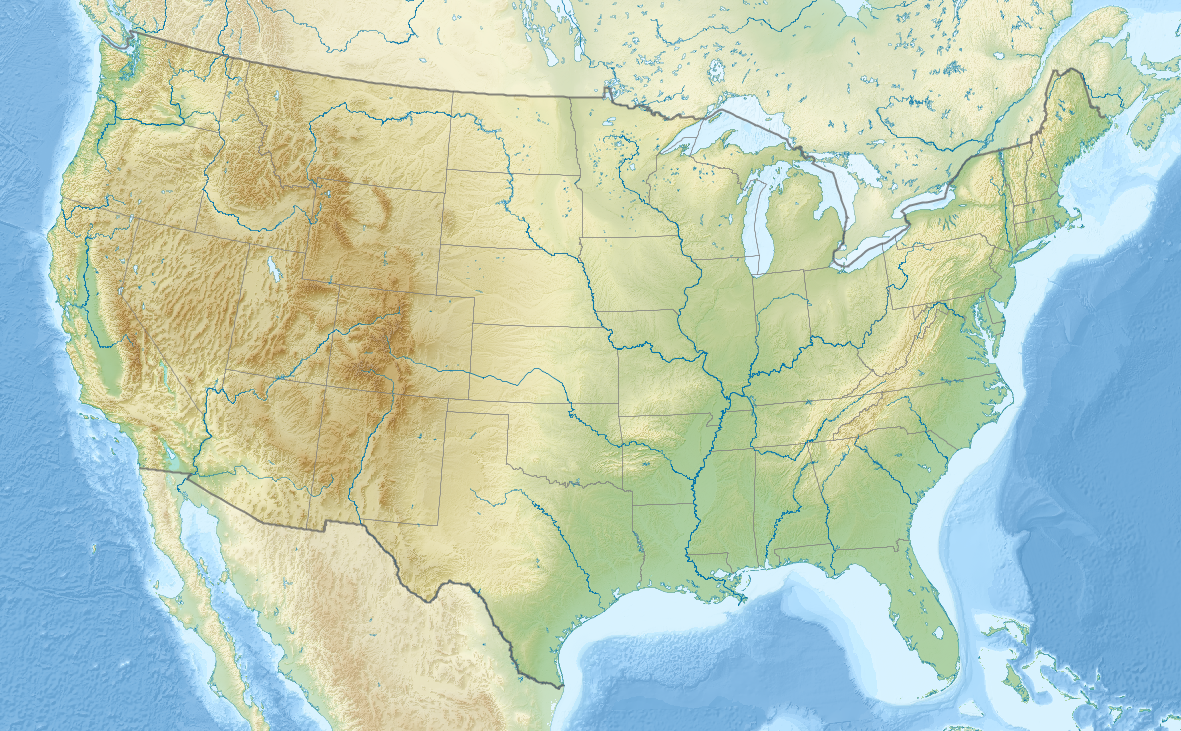
Ronald Reagan Washington National Airport, commonly called Reagan National and identified by the code DCA, is the primary commercial airport closest to downtown Washington, D.C. Located in Arlington County, Virginia, it serves a mix of business, government and leisure travelers who need quick access to the U.S. capital. The Metropolitan Washington Airports Authority oversees airport operations and facilities.
Image gallery
10 Images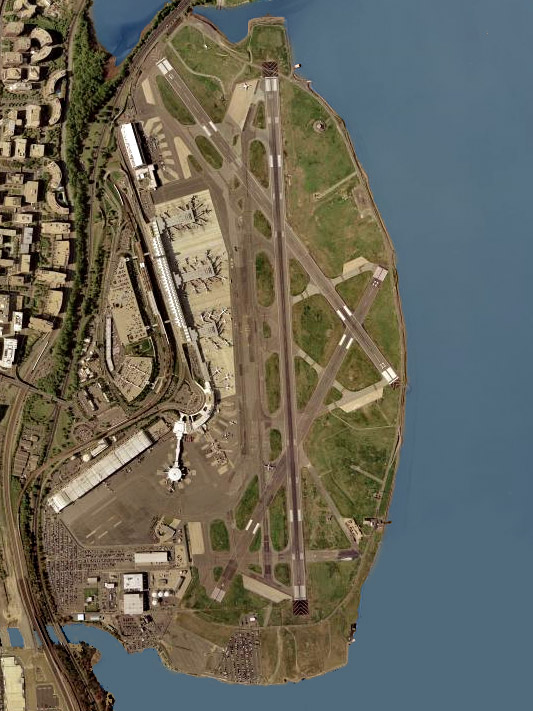


Characteristics and layout
The airport operates with constrained airspace and a relatively compact terminal complex configured to handle short- and medium-haul flights. Because of its proximity to the federal government and downtown landmarks, runway use, flight paths and scheduling are tightly regulated. Reagan National is a slot-controlled airport, meaning takeoff and landing permissions are limited to manage capacity and safety.
Operational limits and restrictions
A distinctive operational constraint is the so-called perimeter rule, which restricts nonstop scheduled flights from Reagan National to destinations within roughly 1,250 miles. This policy is intended to limit overflights and concentrate longer-haul service at a larger airport farther from the city, while preserving access for regional and transcontinental markets through a set of exceptions. A small number of daily long-haul exemptions permit nonstop service to select cities beyond the perimeter.
Airlines, shuttle services and traffic
The airport is a key location for legacy carriers and commuter airlines that offer frequent connections along the U.S. East Coast. Major carriers use Reagan National as a focus city with high-frequency shuttle or shuttle-like schedules to nearby business centers. These short-hop services are timed to appeal to frequent travelers and often operate hourly between the capital region and other major northeastern hubs.
History and naming
Originally opened in the early 20th century as the region's principal airport, the facility has evolved with the metropolitan area and with changing aviation needs. It was renamed to honor the 40th President of the United States; this formal name is widely used alongside the historical name, "National Airport." Over time the airport has undergone renovations and modernization projects to improve passenger flow while respecting the security-sensitive nature of the Washington airspace.
Ground transportation and connections
Reagan National offers a variety of ground access options that emphasize speed to the downtown core. Rail, bus, taxi, rideshare and shuttle services connect the terminals with central Washington and nearby suburbs. Because of the short distance to government offices and tourist sites, many travelers choose Reagan for its convenient transfers and reduced surface travel time compared with more distant aviation gateways in the region.
Notable distinctions
- Proximity: the closest commercial airport to the seat of the U.S. federal government.
- Perimeter rule: a policy limiting most nonstop flights to destinations within a set radius, with a limited number of exemptions.
- Slot control: limited takeoff and landing authorizations to manage capacity and noise.
- Role: a mix of business and government travel creates peak demand for morning and evening services.
Quick links
- IATA code and general facts
- FAA location identifier
- Airport overview and services
- Relationship to Washington, D.C.
- Arlington County information
- Commercial operations
- Ronald Reagan biography
- Presidential naming and dedications
- Aircraft and operations
- Washington Dulles International Airport
- Distances and airport roles
- Passenger statistics and traffic
- Focus city status for carriers
- American Airlines presence
- Largest carrier information
- Shuttle service to LaGuardia
- Connections to New York City
- Shuttle service to Boston
- Delta Air Lines operations
- Schedules and hourly shuttle services
Note: This article summarizes broadly known features of Ronald Reagan Washington National Airport and its operational context. For up-to-date schedules, passenger statistics and regulatory details consult official sources or the airport operator.
Questions and answers
Q: What is the IATA code for Ronald Reagan Washington National Airport?
A: The IATA code for Ronald Reagan Washington National Airport is DCA.
Q: Who controls the airport?
A: The Metropolitan Washington Airports Authority (MWAA) is in control of the airport.
Q: How many passengers did the airport serve in 2010?
A: In 2010, Ronald Reagan Washington National Airport served about 18.1 million passengers.
Q: What airline is the largest carrier at Reagan National?
A: American Airlines is the largest carrier at Reagan National and it serves as a focus city for them.
Q: Are there any air shuttle services from Reagan International?
A: Yes, there are air shuttle services from Reagan International. The American Airlines Shuttle has air shuttle service to LaGuardia Airport in New York City and Logan International Airport in Boston, Massachusetts, while Delta Air Lines' Delta Shuttle also has air shuttle service to LaGuardia. These shuttle flights leave Reagan International about once an hour.
Q: What rule limits the number of aircraft over Washington? A: Flights into and out of DCA cannot be longer than 1,250 miles (2,010 km). This rule is used to limit the number of aircraft over Washington.
Related articles
Author
AlegsaOnline.com Ronald Reagan Washington National Airport Leandro Alegsa
URL: https://en.alegsaonline.com/art/84003
Sources
- mwaa.com : "History"
- gcr1.com : FAA Airport Master Record for DCA
- gcr1.com : Form 5010
- mwaa.com : "Reagan Air Traffic Statistics"
- nrhp.focus.nps.gov : "National Register Information System"
- dhr.virginia.gov : "Virginia Landmarks Register"
- mwaa.com : "Ronald Reagan Washington National Airport (DCA) Air Traffic Statistics"
- washingtonpost.com : "Years of Deal-Making Enabled Change From 'Disgrace' to Showplace"
- metwashairports.com : "History of Ronald Reagan Washington National Airport"
- wmata.com : LunchTalk Online
- time.com : "We're Going Down, Larry"