
Romanian leu
The Romanian leu (plural: lei) is Romania's national currency, subdivided into 100 bani. Issued by the National Bank, it has modern banknotes and coins and has been redenominated; euro adoption remains a future policy goal.
Overview: The Romanian leu is the national currency of Romania and is used for everyday transactions across the country. It is subdivided into 100 bani (singular: ban). The leu appears in commerce, accounting and public finance and is managed by the central bank. For general information about money systems see money, and for information about Romania see Romania.
Image gallery
10 Images


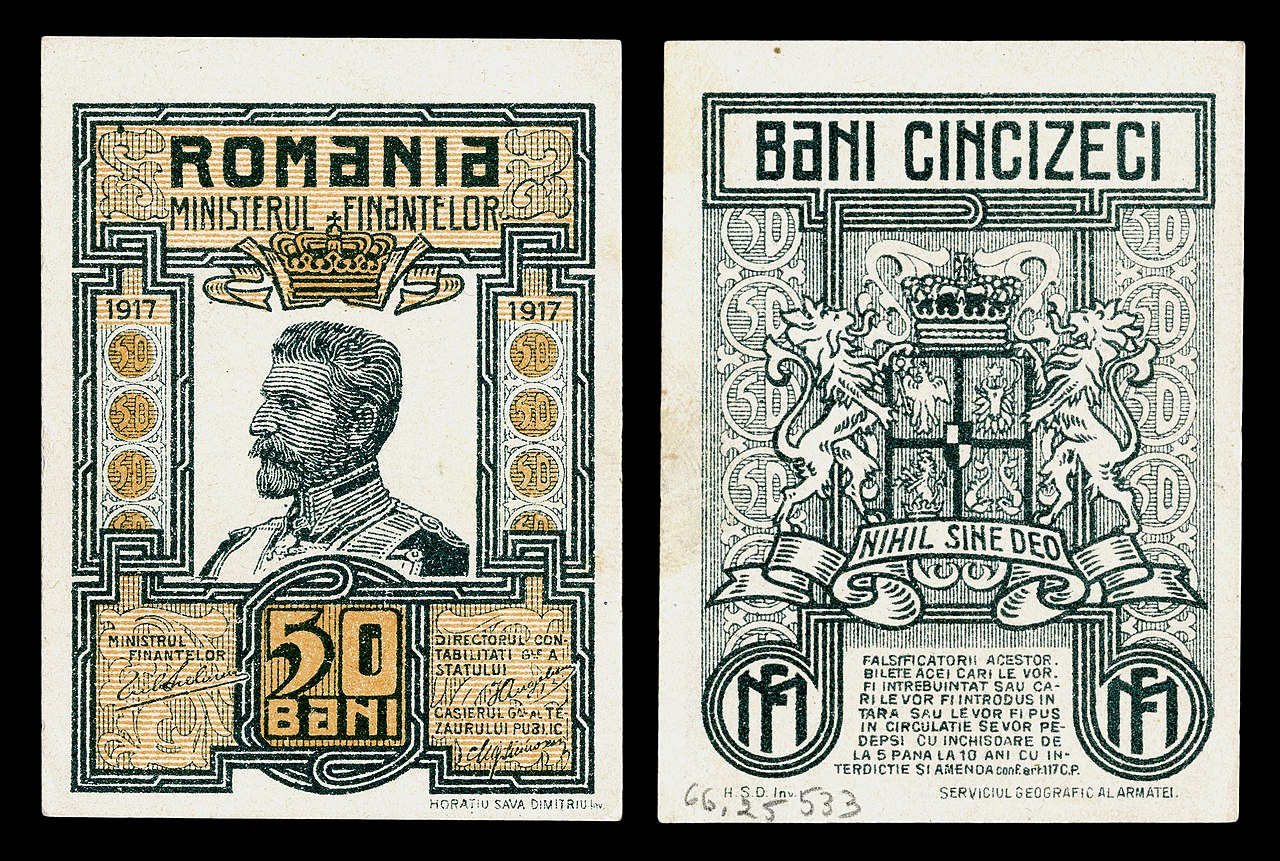
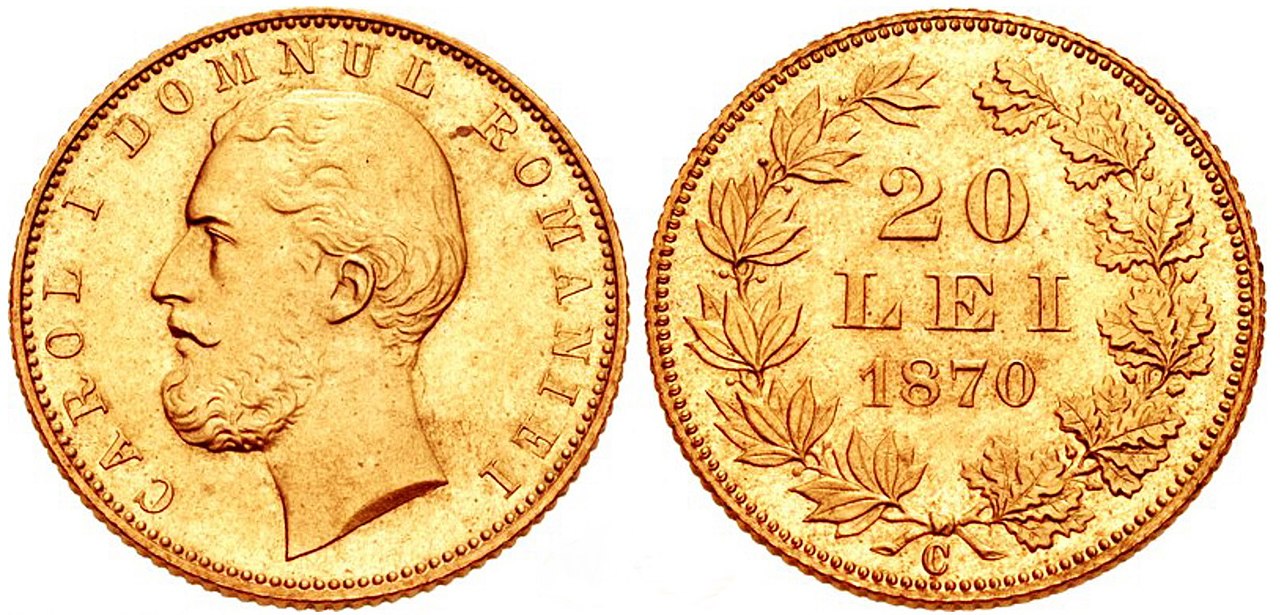


Characteristics
The modern leu carries the ISO code RON and commonly appears in prices as "lei" (the plural). Coins and banknotes include several denominations, with contemporary issues featuring advanced security features—watermarks, security threads and transparent elements—to deter forgery. The National Bank of Romania (Banca Naţională a României) issues and regulates the supply of currency.
History and name
The name leu means "lion" in Romanian and derives from historical silver coins known in Europe as thalers or lion-adorned coins. Romania has reformed and redenominated its currency in the modern era: the country introduced a revalued leu (commonly called the new leu, RON) in the early 21st century to simplify accounting and prices.
Denominations and circulation
- Coins and banknotes: several coin and banknote values circulate to serve small and large transactions.
- Subdivision: 100 bani = 1 leu; bilingual forms and pluralization rules (leu/lei, ban/bani) are used in writing and speech.
- Design: modern issues highlight Romanian historical figures, architecture and cultural motifs, with multilingual inscriptions in Romanian.
Euro and European Union context: Romania joined the European Union in 2007. Adoption of the euro requires meeting economic and legal convergence criteria and a formal entry into the exchange rate mechanism; this is an ongoing policy process and the euro is not yet in general use in Romania. For background on the EU see European Union and on the euro itself see euro.
Importance and usage: The leu remains central to Romanian economic life—pricing, salaries, taxation and savings. Travelers and businesses commonly exchange foreign currencies at banks, exchange offices and ATMs. The currency's stability and conversion policies are frequent topics in public economic debates and central bank policy statements.
Related articles
Author
AlegsaOnline.com Romanian leu Leandro Alegsa
URL: https://en.alegsaonline.com/art/83896