
Rolling stock: overview, types, design, history and uses
Vehicles that run on railways, including powered and unpowered units. Covers common types, key components, historical development, practical uses and regulation.
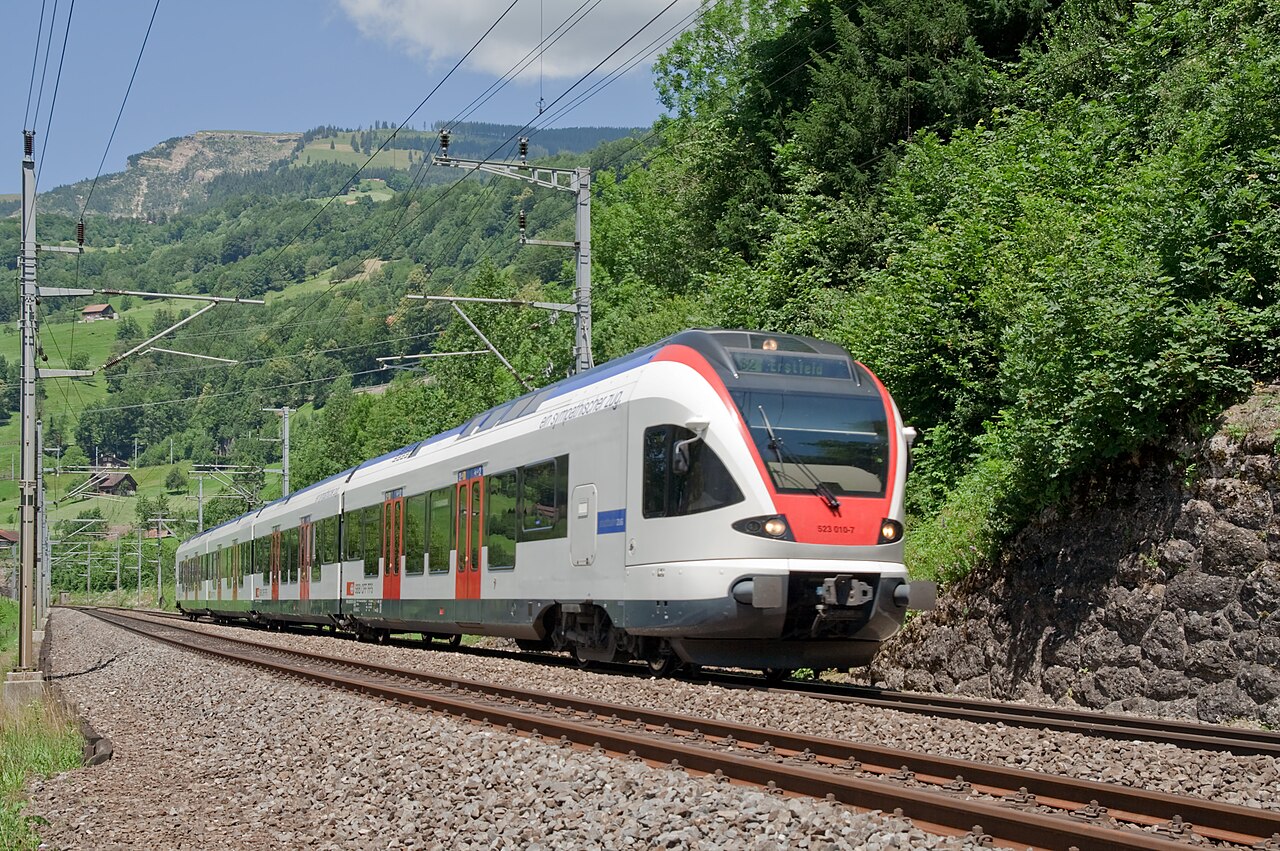
Rolling stock is the collective name for the vehicles that operate on railway tracks. It includes both self-propelled vehicles that provide traction and unpowered vehicles that carry people, goods or equipment. The term is used by railways, regulators and asset managers to distinguish mobile equipment from fixed infrastructure such as track, signals and stations.
Image gallery
10 Images




Common types
- Locomotives and multiple units: power sources that move trains and may also carry passengers or freight.
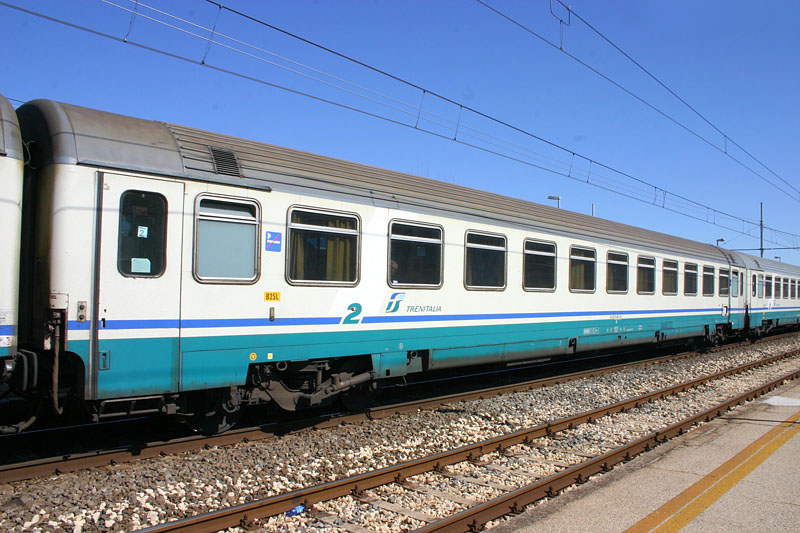
- Passenger cars: coaches, sleeping cars and other vehicles designed for people.
- Tank cars: freight wagons built to transport liquids or gases in bulk.
- Boxcars and other freight wagons: enclosed or open vehicles for a wide range of cargo.
Rolling stock varies greatly by purpose and size. Passenger vehicles tend to emphasize comfort, doors and interior fittings, while freight wagons prioritize capacity and cargo protection. Specialized rolling stock includes maintenance-of-way equipment, refrigerated cars, autoracks and heavy-haul wagons.
Key components common to many types are the carbody, bogies (wheel assemblies), coupling systems, braking equipment and the underframe. Power units add traction motors, fuel or electrical systems and control electronics. Design choices balance weight, strength, ride quality and interoperability with track gauge and platform interfaces.
History and development
Rolling stock evolved alongside railways: early wagons and steam locomotives gave way to internal combustion and electric traction, and later to modern high-speed multiple units and freight innovations. Standardization of couplers, brake systems and loading gauges helped enable long-distance and international services. Contemporary developments focus on energy efficiency, safety systems and lifecycle cost management.
Beyond everyday transport, rolling stock is central to supply chains and urban mobility. Management of these assets involves scheduled maintenance, periodic inspections, refurbishment programs and eventual recycling or preservation. Jurisdictions regulate technical standards, inspections and operator qualifications to ensure safe operation across networks.
Notable distinctions include the separation of rolling stock from permanent way in accounting and planning, and the variety of ownership models: public, private or leased fleets. Historic or preserved vehicles also represent an important cultural and educational role, maintained by museums and heritage railways.
Related articles
Author
AlegsaOnline.com Rolling stock: overview, types, design, history and uses Leandro Alegsa
URL: https://en.alegsaonline.com/art/83820