
Roundabout: design, operation, history and road safety
An overview of roundabouts: their design elements, how they operate in different countries, types, history, safety benefits, and practical considerations for drivers, cyclists and pedestrians.
Overview
A roundabout is a circular junction where two or more roads meet and traffic flows around a central island. Modern roundabouts use yield (give-way) rules at entries to manage conflict and keep vehicles moving at reduced speeds. They are distinct from older traffic circles and rotaries by their geometry and by the rule that entering traffic gives way to circulating traffic.
Image gallery
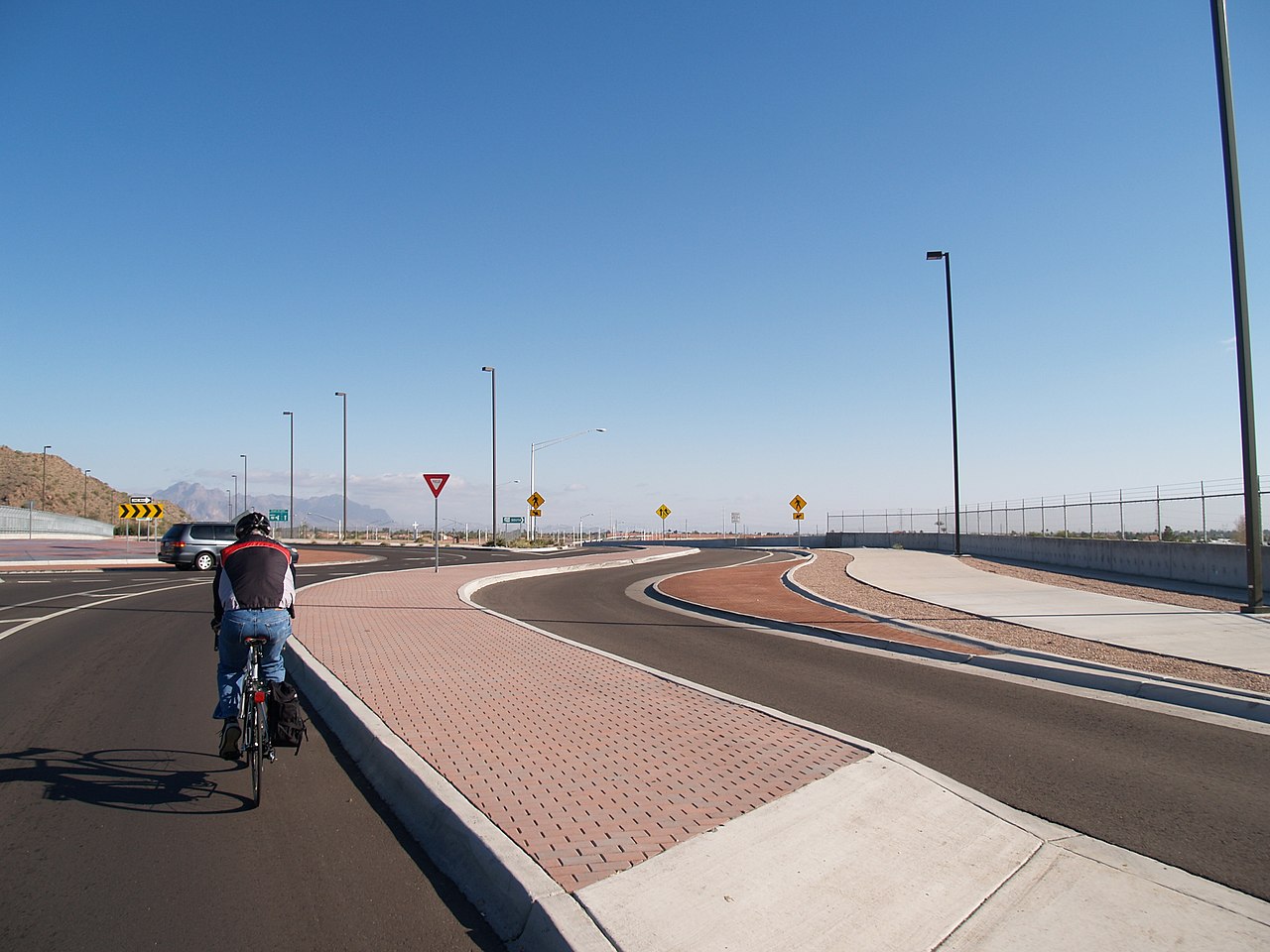
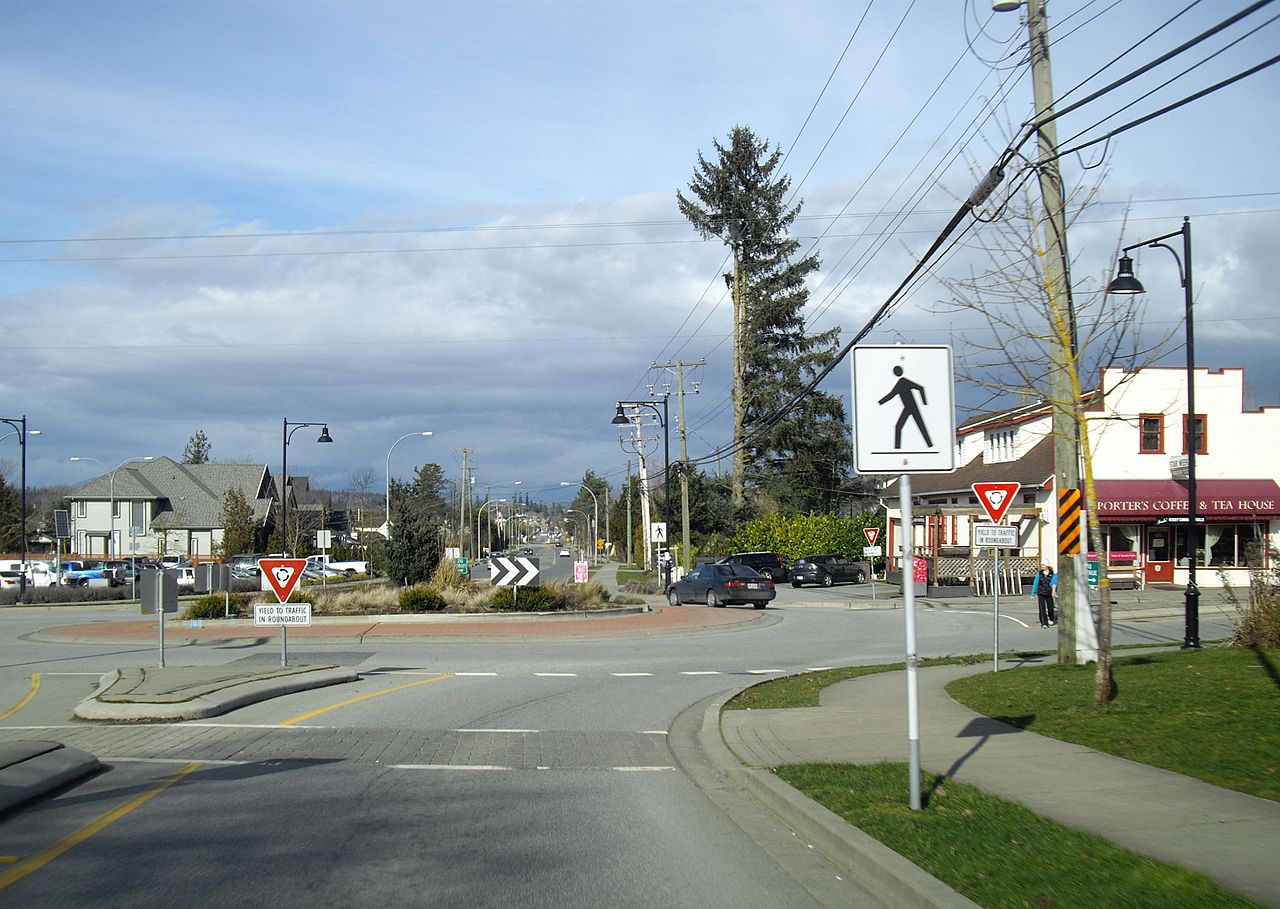
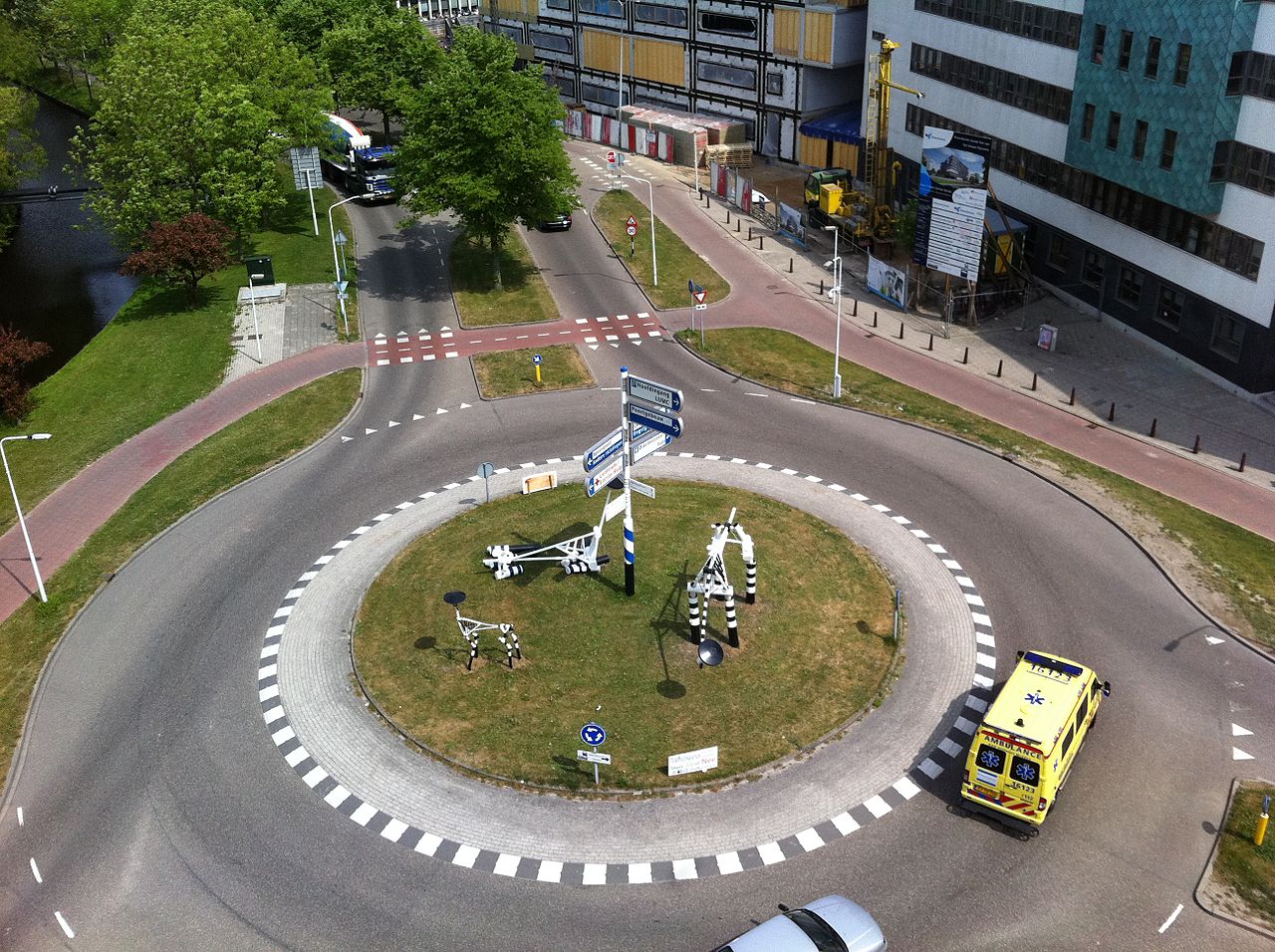
10 Images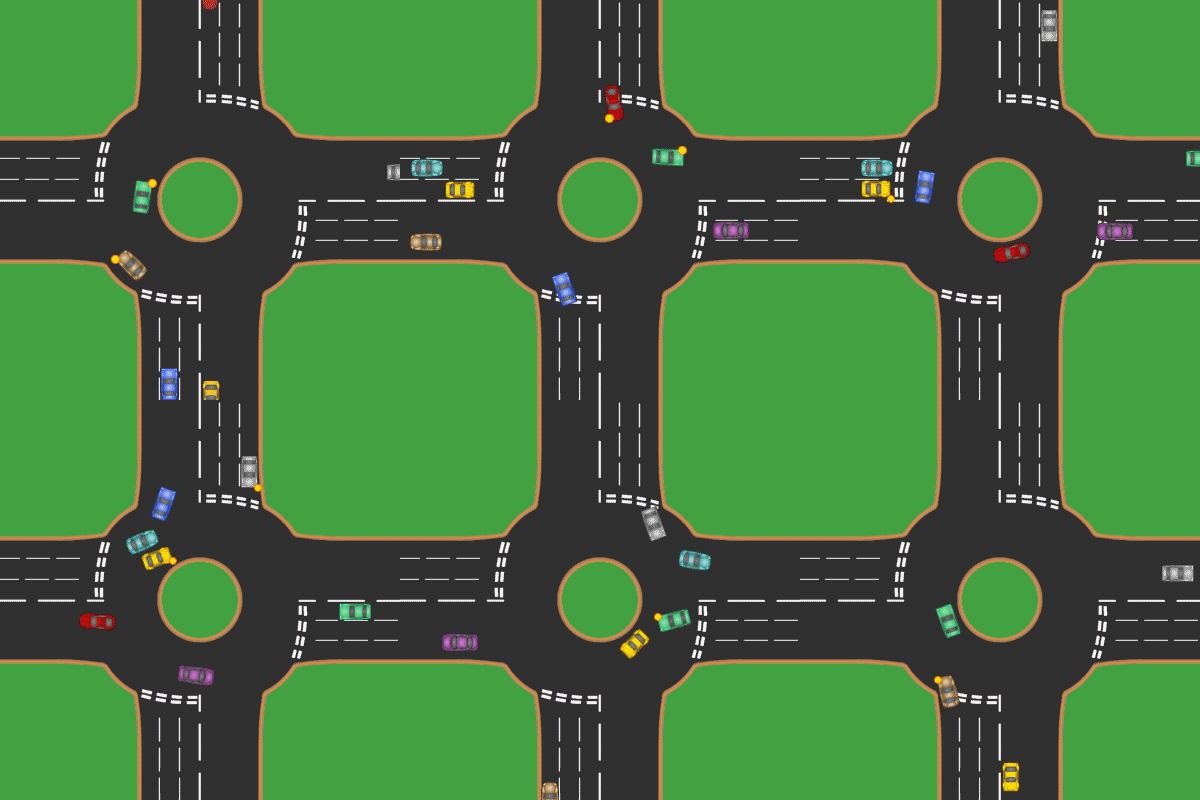






Design and key components
Typical elements of a roundabout include a raised central island, a circulating carriageway, entry and exit lanes, splitter islands to channel approaches, and marked pedestrian crossings set back from the circle. Signage, pavement markings and sometimes lane arrows guide drivers through multi-lane layouts. Design aims to control speed, reduce conflict points and provide clear sightlines for safe weaving and merging.
Operation and rules
The basic operational rule differs by driving side. In countries that drive on the left, drivers give way to traffic approaching from their right and proceed clockwise around the island. In countries that drive on the right, drivers give way to traffic from their left and travel counterclockwise. Entering vehicles normally yield to circulating traffic; circulating vehicles do not stop unless required by traffic or signs.
History and development
Forms of circular junctions have existed for over a century, but the modern roundabout — emphasizing low speeds, yield-at-entry and tighter geometry — was developed and refined in the mid to late 20th century. Engineers in the United Kingdom and elsewhere promoted the modern layout as a safer, more efficient alternative to stop-sign or signal-controlled intersections and to older high-speed traffic circles.
Benefits, uses and considerations
Roundabouts are used at urban and suburban intersections, arterial junctions and minor crossroads. They tend to reduce severe collision types by lowering approach speeds and eliminating right-angle and head-on conflicts. Designers must balance vehicle capacity, pedestrian crossing distance, bicycle accommodation and local traffic patterns. Multi-lane roundabouts require clear lane markings and sometimes additional signage to reduce lane-change conflicts.
Types and notable distinctions
- Mini-roundabouts: compact versions suitable for constrained urban locations.
- Single-lane and multi-lane: differ by the number of circulating lanes and capacity.
- Signalised or metered roundabouts: combine signals with a circulating layout where needed.
- Turbo roundabouts and gyratories: specialized geometries for particular traffic flows.
For drivers and road planners alike, understanding local yield rules and design conventions is important. For more technical guidance on layouts and standards, see design guidance and references.
Questions and answers
Q: What is a roundabout?
A: A roundabout is a road circle joining three or more roads.
Q: Why do drivers follow a simple rule to avoid crashes at a roundabout?
A: Drivers follow a simple rule to avoid crashes at a roundabout because multiple roads are joined together.
Q: In which direction does the driver go round the island in countries that drive on the left?
A: In countries that drive on the left, the driver goes round the island in a clockwise direction.
Q: What should the driver do at the island in countries that drive on the right?
A: At the island in countries that drive on the right, the driver should give way to traffic coming from the left.
Q: How should the driver go round the island in countries that drive on the right?
A: In countries that drive on the right, the driver should go round the island in an anticlockwise direction.
Q: What is the other name for a roundabout?
A: The other name for a roundabout is a traffic island.
Q: What is the main purpose of a roundabout?
A: The main purpose of a roundabout is to join three or more roads without the risk of crashes.
Related articles
Author
AlegsaOnline.com Roundabout: design, operation, history and road safety Leandro Alegsa
URL: https://en.alegsaonline.com/art/84338