
Tank car (railroad freight car)
A tank car is a railroad freight car built to carry liquids or gases. Designs vary by product, pressure rating, insulation and safety features for transporting fuels, chemicals, and other bulk fluids.
Overview
A tank car is a type of railroad freight car purpose-built to transport bulk liquids or compressed gases. Unlike boxcars or flatcars, a tank car centers its payload in a cylindrical vessel mounted on a rail chassis. They move a wide range of commodities, from petroleum products and industrial chemicals to liquefied gases and food-grade liquids.
Image gallery
10 Images




Design and main components
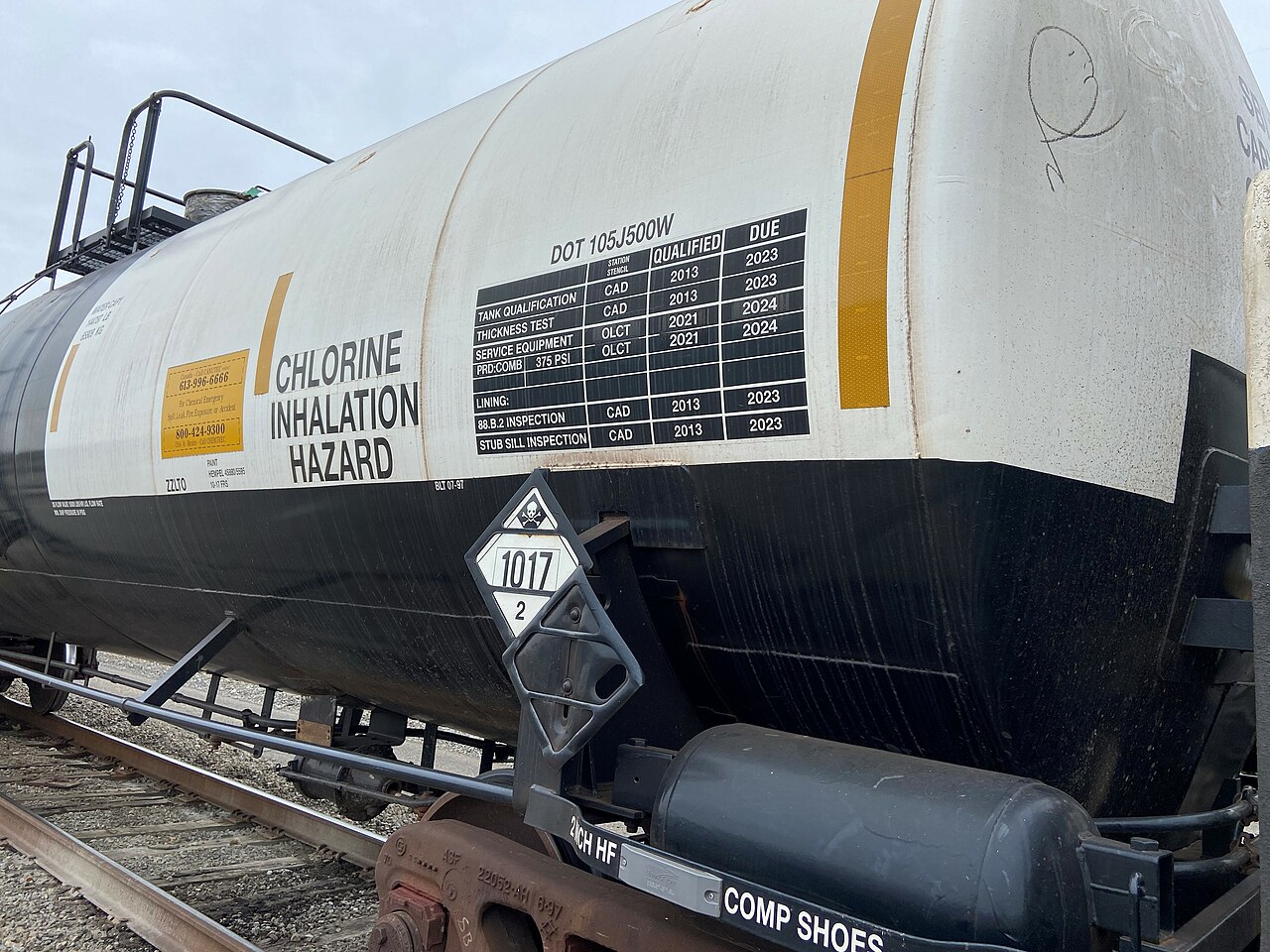
Tank cars are engineered around a cylindrical tank and include features intended to protect the cargo, the car, and people handling it. Common components are:
- Tank shell – the primary vessel, usually steel or other alloys.
- Heads – rounded ends that resist pressure and impact.
- Fittings and valves – loading and unloading connections, pressure relief devices, and safety shutoffs.
- Manway or dome – an access point for inspection, cleaning, or product transfer; domes on high-pressure cars enclose fittings.
- Insulation and jacket – for temperature-sensitive cargos such as molten materials or refrigerated products.
Types and specializations
Tank cars are classified by design and the commodities they carry. Major types include non‑pressure cars for low‑volatility liquids, pressure cars for gases and volatile liquids, insulated and/or heated cars for temperature control, and specialty cars for corrosive or food‑grade products. Construction, lining materials, and valve arrangements vary to match the chemical and physical properties of the load.
History, regulation and safety
Tank cars evolved from early makeshift vessels to modern standardized designs as rail transport of bulk liquids expanded. Regulatory bodies set construction standards, inspection schedules, and operational rules to reduce leak and accident risks. Over time, periods of regulatory tightening have followed high‑profile incidents, driving improvements in materials, thermal protection, and impact resistance.
Uses and distinctions
Tank cars are essential to energy, chemical, agriculture, and food supply chains. They differ from tank trucks (road vehicles) and ISO tank containers (intermodal tanks) in scale and suitability for long-distance, high-volume rail movements. Proper maintenance, cleaning, and compatible loading practices are critical because residual contamination or corrosion can create hazards or product loss.
Related articles
Author
AlegsaOnline.com Tank car (railroad freight car) Leandro Alegsa
URL: https://en.alegsaonline.com/art/96294