
Rök Runestone
An early medieval Swedish runestone with the longest known runic inscription in stone, notable for its complex text, mythic references and central place in the history of Swedish written culture.
Overview
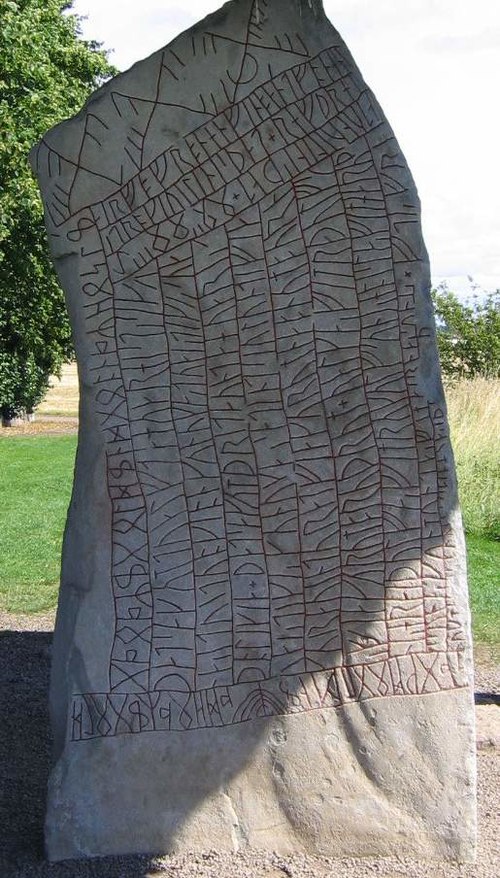
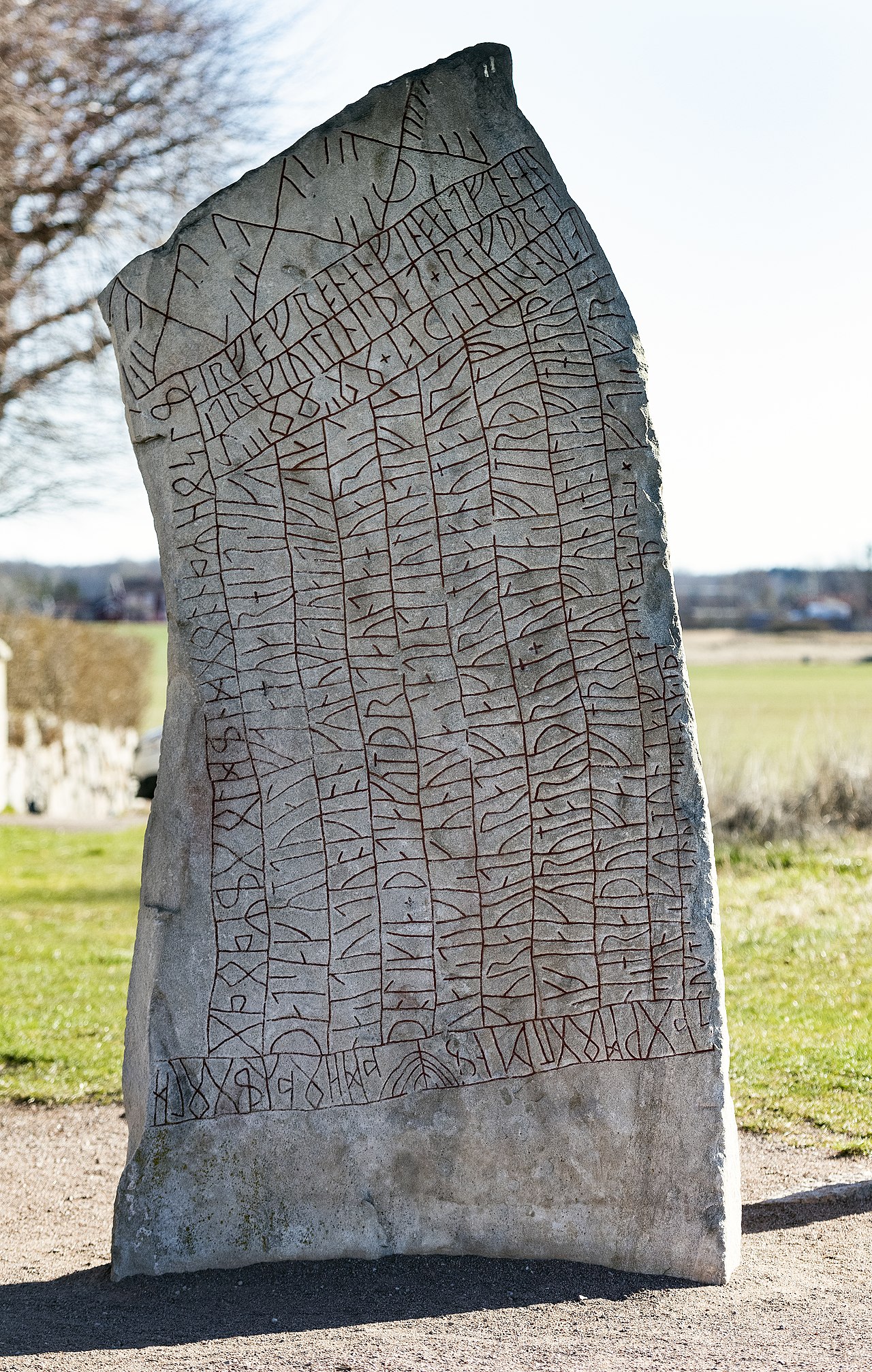
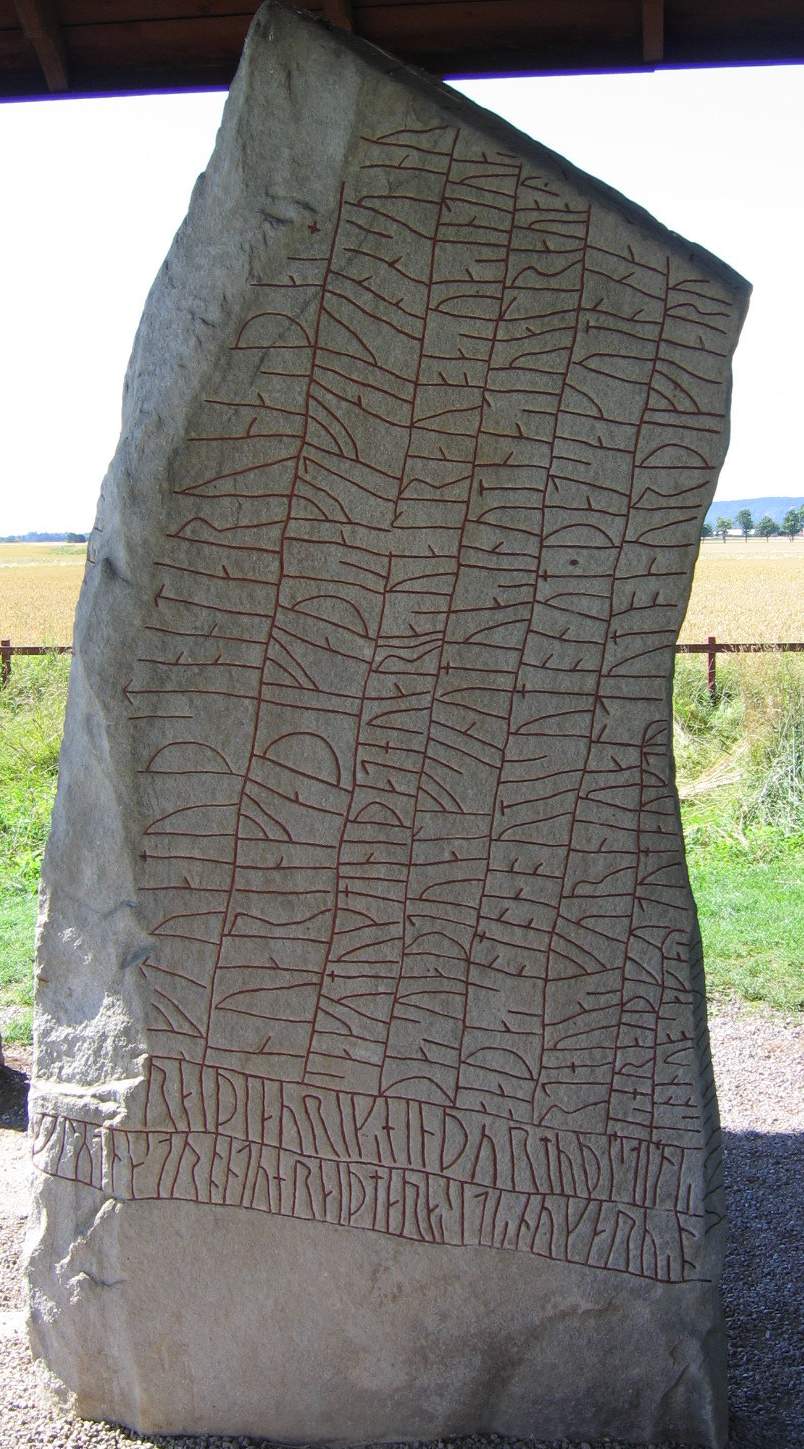
The Rök Runestone is a monumental carved stone standing in the village of Rök in the province of Östergötland, Sweden. Its inscription contains roughly 760 runic signs, the largest known runic text preserved on stone. Carved in the early Viking Age, it is commonly regarded as the earliest substantial example of written literature in the Swedish language area and is frequently discussed as a cultural starting point for Swedish literary history.
Image gallery
8 Images




Physical features and content
Rather than a short memorial inscription, the Rök stone presents a long, continuous composition. The carving uses runic characters drawn from the runic tradition of Scandinavia and includes unusual rune forms and ciphered passages. The text combines straightforward commemorative phrasing with riddles, poetic lines, mythological references and possible historical allusions. Because of its length and variety, it has drawn special attention from philologists, archaeologists and literary historians.
Inscription, language and dating
The language of the inscription is a form of Old Norse (often described as Old East Norse). Scholars date the stone to the late 8th or early 9th century, placing it at the transition from the Migration Period into the Viking Age. Transliteration and translation are challenging: the wording is fragmentary in places, contains archaic forms and deliberately obscure devices, so modern editions offer multiple readings and interpretations rather than a single authoritative text.
Interpretations and scholarly debate
Readers have proposed a range of meanings for the Rök text. Common themes in scholarship include a memorial dedication (traditionally to a young man who died), recitations of heroic lore, and allusions to well-known continental figures. Some phrases have been linked to Germanic heroic legend, while others look like traditional Norse mythic motifs. Many lines remain enigmatic, and debate continues about the intent of the carver and the original audience.
Location, display and preservation
The stone stands at the church in Rök and is accessible to visitors; it has been studied and documented repeatedly since its discovery by antiquarians in the 17th and 18th centuries. Conservation work has focused on protecting the inscription from weathering and ensuring clear photographic and facsimile records. For general context on runic monuments see runestone overview, and for regional information about the site see Rök, Östergötland.
Significance
- Literary importance: The stone’s extended text links oral heroic tradition with early literate practice in Scandinavia.
- Historical value: It provides rare early evidence for language, memory culture and local commemoration in the Swedish area.
- Ongoing research: New readings and digital analyses continue to refine understanding of its language and references.
Although many specifics remain uncertain, the Rök Runestone endures as a crucial monument for the study of runic writing, early Norse language and the transmission of heroic and mythic tradition in northern Europe.
Related articles
Author
AlegsaOnline.com Rök Runestone Leandro Alegsa
URL: https://en.alegsaonline.com/art/83761