
Royal Albert Hall
Historic London concert hall opened in 1871, dedicated to Prince Albert; known for its domed auditorium, varied programme including the BBC Proms, and continued role in British cultural life.
The Royal Albert Hall is one of the United Kingdom's most recognisable cultural buildings, located in the South Kensington area of the City of Westminster in London. Conceived in the Victorian era as part of a national complex for the arts and sciences, it was opened in 1871 by Queen Victoria and dedicated to her husband, Albert, Prince Consort. The Hall combines a strong symbolic role as a commemorative monument with a continuing practical function as a multi-purpose auditorium for music, performance and public events.
Image gallery
10 Images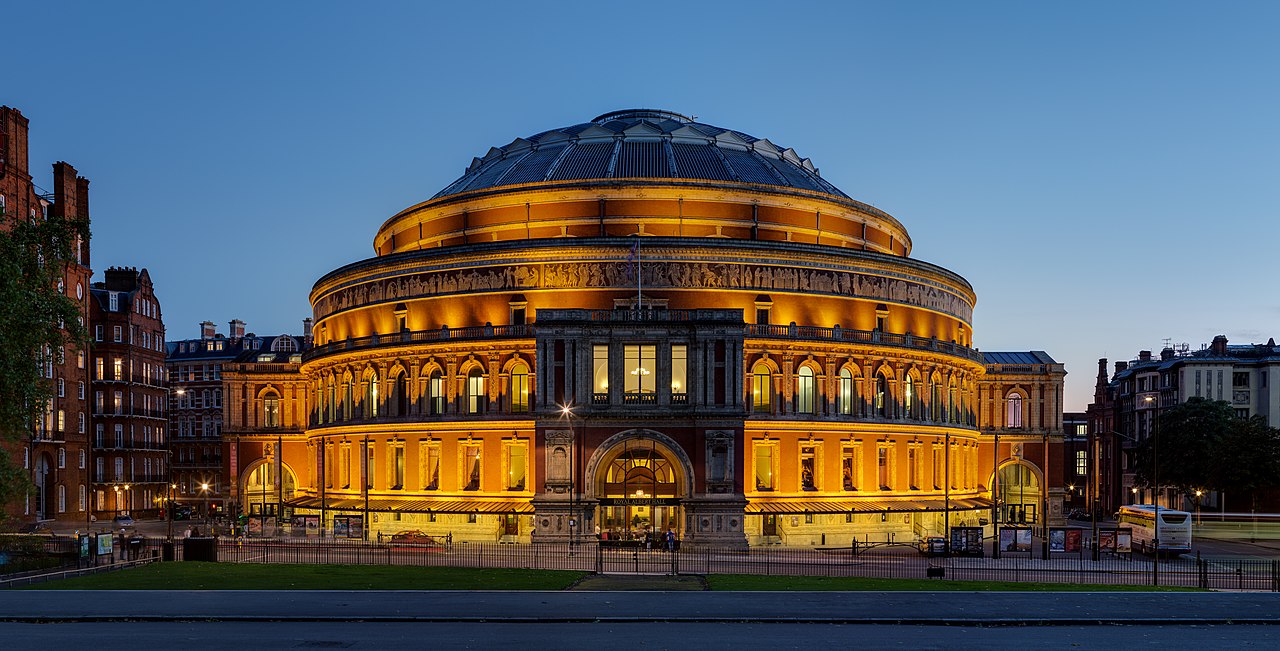


Design and architectural features
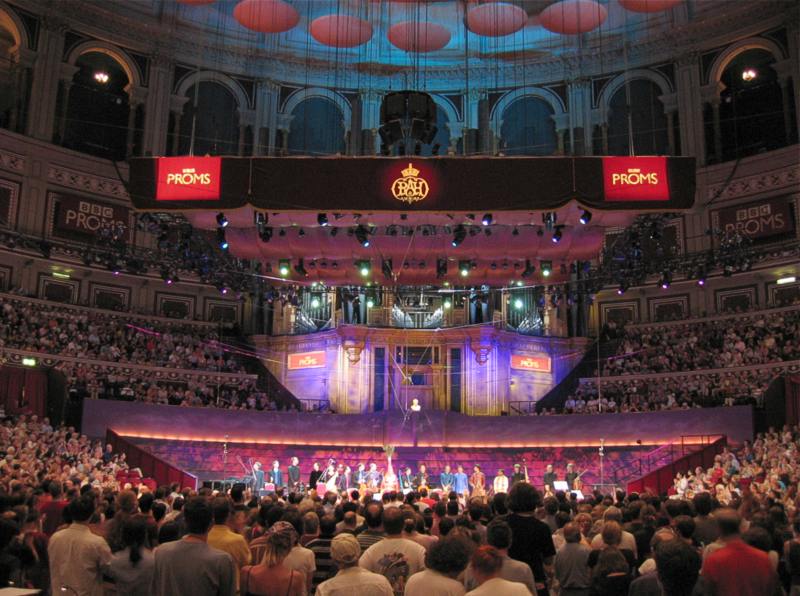
The building is noted for its large oval plan, a broad, gently domed roof and a tiered, horseshoe-shaped auditorium that surrounds a central arena. The exterior features decorative terracotta and a continuous mosaic frieze, while the interior shows elaborate plasterwork and historic decorative schemes. A prominent feature is a large pipe organ and a stage area capable of accommodating orchestras, dance companies and amplified shows. The combination of rounded seating tiers and a high dome gives the interior a distinctive sightline pattern and acoustic character that has been adapted over time to suit different kinds of performance.
History and development
The Hall was part of a wider mid-19th century programme of cultural building in the area sometimes called "Albertopolis," which brought together museums, lecture halls and educational institutions. Built to commemorate Prince Albert, it has undergone a succession of changes to meet the demands of modern performance, including lighting and sound improvements, stage engineering updates and conservation work to preserve historic fabric. Restoration efforts in the late 20th and early 21st centuries have aimed to maintain the building's heritage while improving accessibility, safety and technical capacity.
Programming and uses
The Royal Albert Hall presents a broad and varied programme across the year. Regular uses include:
- Classical music and orchestral concerts, including performances by leading symphony orchestras and soloists.
- Popular and contemporary music shows featuring international and domestic artists.
- Ballet, opera and other staged dance productions.
- Ceremonial events, award ceremonies, lectures and community collaborations.
- Occasional sporting exhibitions historically such as tennis displays or boxing matches when the arena is configured for such events.
Perhaps its most famous recurring event is the summer festival of orchestral concerts organised as the BBC Proms, which has been closely associated with the Hall for well over a century. The venue is also commonly used for broadcast recordings and live transmissions by the BBC and other media organisations.
Acoustics and the organ
Acoustic qualities at the Hall have been an important concern since it opened; a long history of adjustments and interventions has sought to balance clarity, warmth and volume for a wide range of musical ensembles. The Hall houses a large and historic concert organ that features in both solo recitals and orchestral repertoire; the organ and other interior fittings are subject to conservation to protect their musical and historic value.
Notable events and cultural significance
Over its long life the Royal Albert Hall has hosted a wide spectrum of events, from state occasions and memorials to pop concerts, film scores performed live and charity galas. Its association with national cultural life, its frequent appearance in press and broadcasting, and its place within the surrounding cultural district have made it an enduring symbol of Victorian ambition for the arts.
Visiting and practical information
The Hall operates a public programme of performances alongside educational and community initiatives. Visitor services include guided tours at scheduled times, an events booking system, facilities for accessibility and hospitality, and published advice for attendees. For those researching the building or its history, institutional archives and specialist publications provide further detail; for current schedules and tickets consult the Hall's official information and festival pages.
References to local context and further resources appear in many guides and institutional listings; for orientation within the city see materials about the City of Westminster and London, and for programming details consult festival pages such as the BBC Proms. General visitor resources and archival summaries may be found via partners and cultural heritage bodies, while practical pages provide up-to-date arrangements for tours, accessibility and event bookings.
Questions and answers
Q: What is the official name of the Albert Hall?
A: The official name of the Albert Hall is the Royal Albert Hall of Arts and Sciences.
Q: When was the Albert Hall opened?
A: The Albert Hall was opened in 1871, by Queen Victoria.
Q: To whom is the hall dedicated?
A: The hall is dedicated to Albert, Prince Consort, who had died ten years earlier.
Q: What kind of events are held in the Albert Hall?
A: The Albert Hall is an auditorium where events like concerts for classical music or pop music, ballet, tennis or boxing matches, large ceremonies, parties or conferences are held.
Q: Which famous event takes place at the Albert Hall every day during the summer?
A: The BBC Proms take place at the Albert Hall every day during the summer.
Q: For how long has the Royal Albert Hall been holding concerts?
A: The Royal Albert Hall has been holding concerts since 1941.
Q: Is the Albert Hall a famous building?
A: Yes, the Albert Hall is one of the most famous buildings in the world.
Related articles
Author
AlegsaOnline.com Royal Albert Hall Leandro Alegsa
URL: https://en.alegsaonline.com/art/84425