
Roger Casement: diplomat, investigator of colonial abuses, and Irish revolutionary
Overview of Sir Roger Casement (1864–1916): his diplomatic investigations in the Congo and Amazon, campaign against colonial atrocities, turn to Irish republicanism, trial and contested legacy.
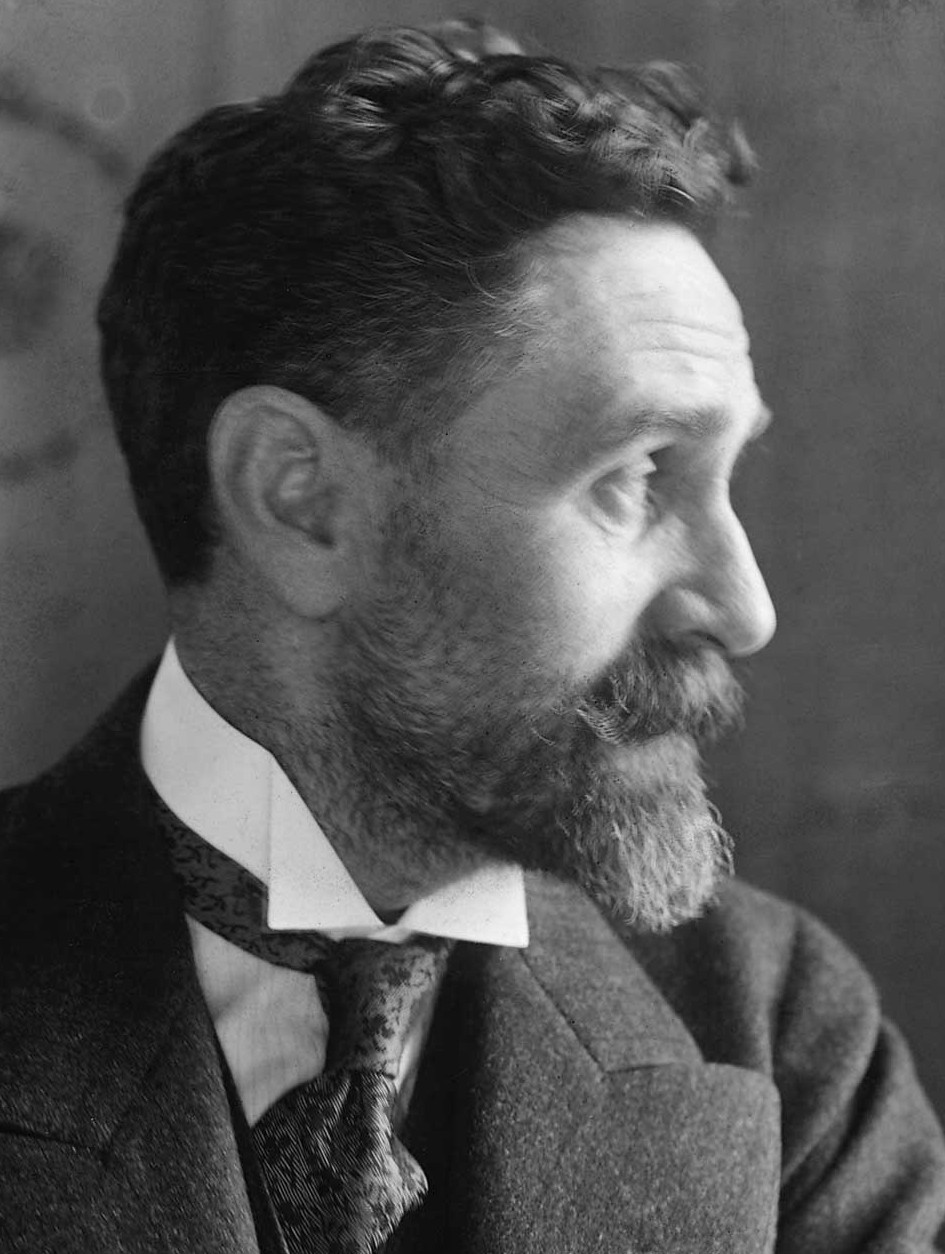
Roger Casement was an Irish-born British diplomat and later an Irish revolutionary whose work brought international attention to colonial abuses and whose political turn ended in a controversial trial and execution. Trained in the British consular service, Casement won acclaim for his investigative reports on forced labour and violence in overseas territories and later became closely associated with the movement for Irish independence and armed rebellion.
Image gallery
10 Images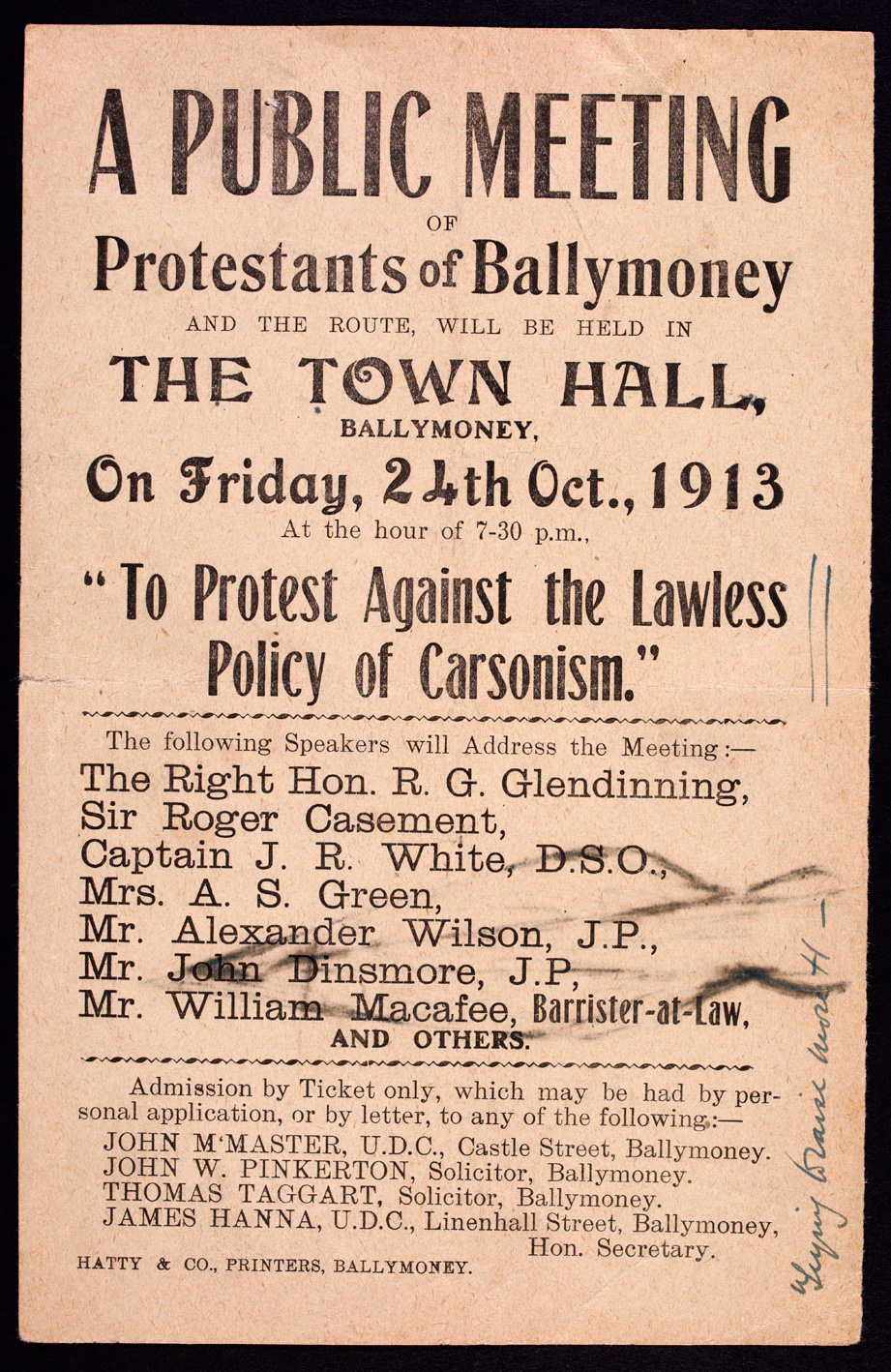






Diplomatic career and human-rights investigations
As a member of the British consular service, Casement undertook missions that examined conditions under colonial rule and in commercial concessions. His inquiries in central Africa identified patterns of brutality and coercion in the Congo Free State and his later work documented exploitative practices in South American rubber districts. Those findings were presented as detailed diplomatic reports and helped educate the British and international public about systematic human rights abuses.
Impact, recognition and public response
Casement's publications and testimony contributed to public campaigns that pressured governments and companies to change policies and prompted debates over colonial administration. His efforts were widely recognised at the time: he received official honours for exposing abuses, and his work fed into reform movements that pressured Leopold II's regime and others to modify practices in overseas territories. Many historians credit this reporting with helping to bring about administrative changes by the early 20th century.
Shift to Irish nationalism and the 1916 rising
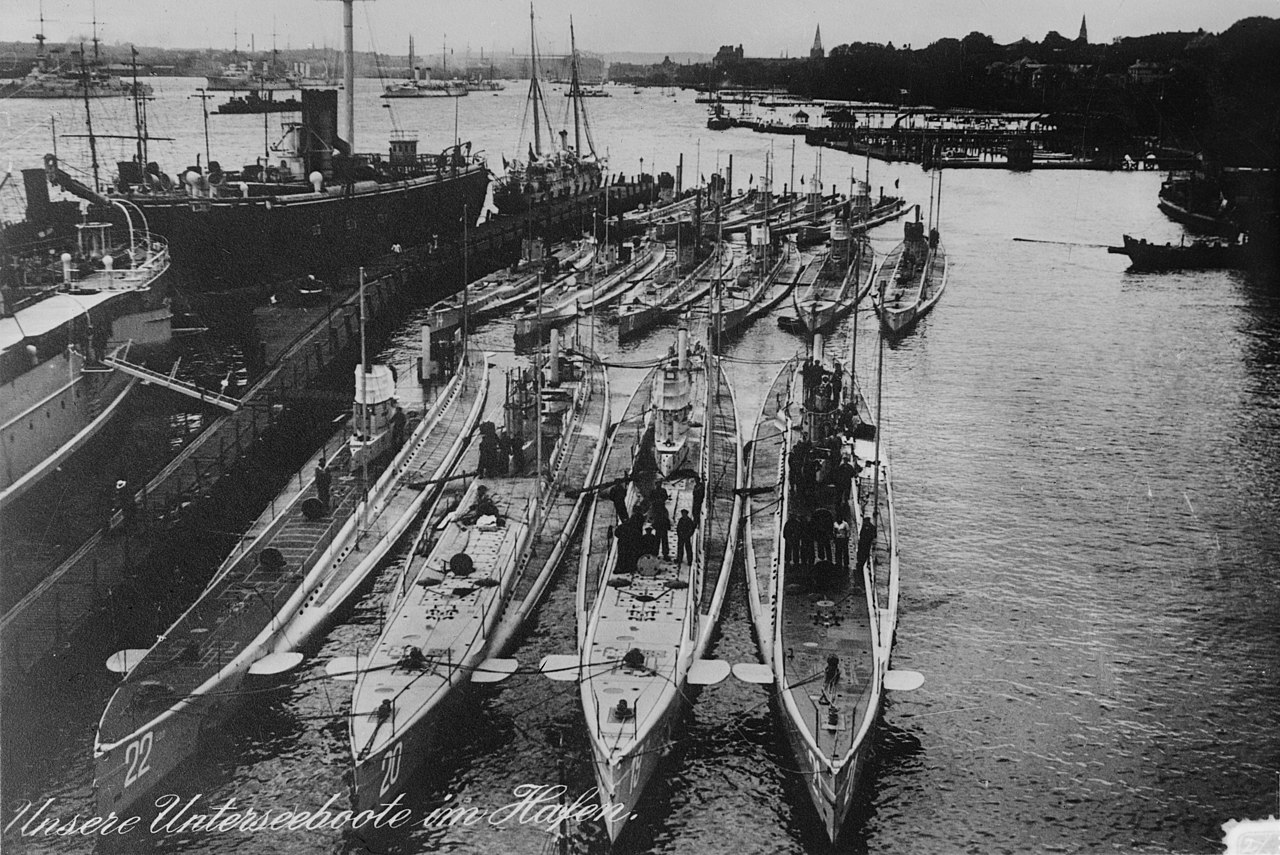
Later in life Casement embraced Irish nationalist aims and sought international assistance for an insurrection aimed at ending British rule in Ireland. He became involved in efforts to import arms and to secure foreign support for the 1916 rising. Returning to Ireland to aid the rebellion, he was intercepted and arrested in County Kerry; subsequently he was charged with treason and tried in Britain. The arrest occurred after an attempted landing in Irish coastal waters and led to his detention in County Kerry.
Trial, execution and contested personal legacy
Casement was tried and convicted for his role in the 1916 events and was executed in 1916. During his trial and in reporting around it, material known as the so-called "Black Diaries" was published and used to portray aspects of his private life. The diaries' authenticity and the way they were used to discredit him have remained the subject of scholarly debate and public controversy. Discussions about his sexuality, the provenance of the diary material, and the political motives for releasing it have continued to complicate assessments of his life and reputation.
Legacy and notable facts
Today Casement is remembered for two intertwined legacies: as a pioneering investigator who exposed severe abuses under colonial and commercial regimes, and as a committed Irish nationalist whose methods and fate provoked strong reactions. His life raises enduring questions about moral courage, imperial responsibility and the morality of political violence. For further context see resources on Irish nationalism, the British consular service, and contemporary human-rights campaigning.
- Well-known investigations: reports from Africa and the Amazon basin highlighted forced labour and violence.
- Public consequences: his work contributed to international pressure for reform by authorities and companies.
- Political turn: became active in the movement for Irish independence and engaged in efforts to procure arms.
- Controversy: trial for treason and the disputed diaries shaped posthumous reputation.
For additional reading and archival sources consult specialist biographies and collections of primary documents; many contemporary and historical studies explore both the factual record of his investigations and the contested aspects of his final years and private papers. See also materials linked to broader discussions of human rights reform, diplomatic reporting (methods and impact), and regional histories of the Congo Free State and Irish revolutionary movements. Archival locations and local histories in County Kerry hold records of his final arrest and transfer. For an overview of influences on his political development, consult sources on Irish nationalism and the workings of the British consular system in the late 19th and early 20th centuries.
Related articles
Author
AlegsaOnline.com Roger Casement: diplomat, investigator of colonial abuses, and Irish revolutionary Leandro Alegsa
URL: https://en.alegsaonline.com/art/83692