
Roëllecourt — Commune in Pas-de-Calais, northern France
Roëllecourt is a small rural commune in the Pas-de-Calais department in northern France, historically part of the Nord-Pas-de-Calais region. The article covers geography, history, economy and visiting notes.
Roëllecourt is a small administrative municipality known in France as a commune. It lies within the Pas-de-Calais area and is situated in the north of France. Historically the locality belonged to the larger territorial grouping called Nord-Pas-de-Calais, a former administrative region often referenced when describing the identity and culture of the area. The commune is also part of France's departmental system, which is commonly referred to as a department.
Image gallery
2 Images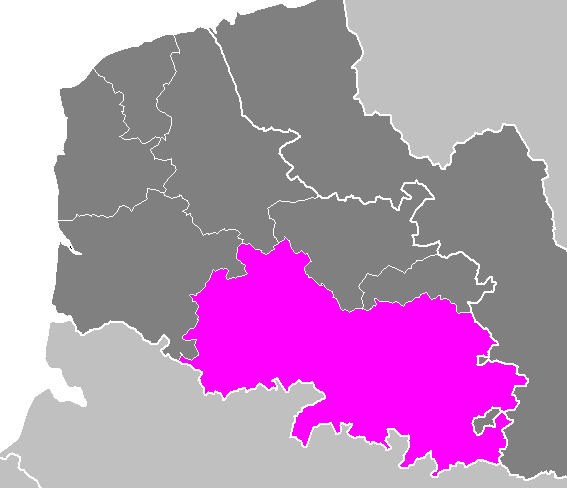

Geography and administration
Roëllecourt occupies a rural setting characterized by mixed agricultural land and small woodland patches. Local governance follows the French municipal structure: a mayor and municipal council handle local affairs, public works and community events. The village is connected to nearby towns by local roads and benefits from regional services typical of Pas-de-Calais.
History and development
Like many villages in this part of northern France, Roëllecourt has origins that reach back several centuries, with growth shaped by agriculture and local trade. The community and surrounding countryside were influenced by broader historical currents in the region, including economic modernization in the 19th and 20th centuries and the social changes that followed the world wars.
Economy, buildings and community life
The local economy is largely rural: farms, small businesses and services for residents form the backbone of daily life. Public buildings typically include a town hall (mairie), a parish church and communal facilities used for meetings and cultural activities. Villages like Roëllecourt often host seasonal festivals and markets that reflect regional traditions.
Visiting and practical information
Visitors to Roëllecourt should expect a quiet landscape and an experience of provincial France rather than tourist infrastructure. Practical points include:
- Local roads provide access to larger transport hubs in Pas-de-Calais and beyond.
- Regional services and amenities are available in nearby towns, with connections to wider northern France.
- Community notices and local history can often be consulted at the mairie or nearby cultural centers.
For further details about administrative status, demographics and current municipal services, local and departmental resources remain the best sources of up-to-date information; regional descriptions often retain references to Nord-Pas-de-Calais when discussing cultural heritage. General overviews of French communes are available through official guides and regional portals that explain how small municipalities function within the national framework.
Related articles
Author
AlegsaOnline.com Roëllecourt — Commune in Pas-de-Calais, northern France Leandro Alegsa
URL: https://en.alegsaonline.com/art/83671