
Rodeo (ballet)
Rodeo is a one-act ballet choreographed by Agnes de Mille with music by Aaron Copland, premiered in 1942. It combines classical technique with American folk dance and features the famous 'Hoe-Down'.
Rodeo is a one-act narrative ballet created by choreographer Agnes de Mille with a score by composer Aaron Copland. First staged in 1942, the work draws on American Western themes and rural dance traditions to tell a simple, character-driven story. The central figure is an awkward, spirited cowgirl whose desire for acceptance and romance drives the action. The ballet is notable both for its dramatic charm and for a musical movement, "Hoe-Down," that has become widely recognized beyond the concert hall.
Image gallery
3 Images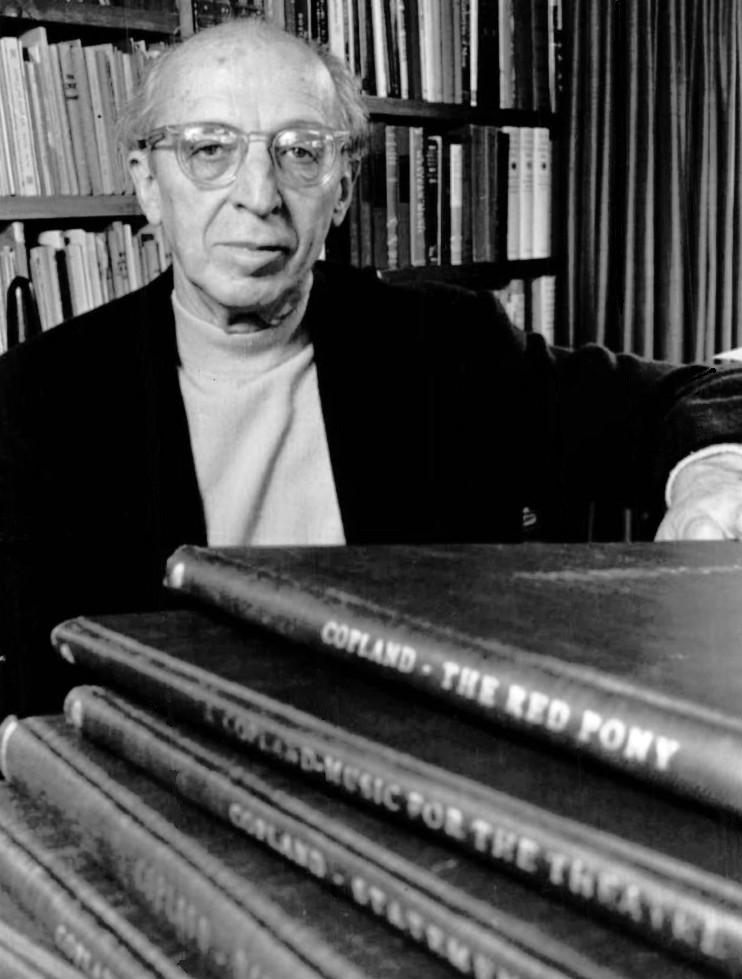


Structure and music
The ballet unfolds in five distinct sections that alternate dance forms and moods. These parts are commonly given as:
- "Buckaroo Holiday"
- "Ranch House Party"
- "Corral Nocturne"
- "Saturday Night Waltz"
- "Hoe-Down"
Copland's score mixes open-interval harmonies, jaunty rhythms and folk-inspired tunes to evoke the American plains and social gatherings. He later adapted selections from the score into an orchestral suite, which helped spread the music's popularity on concert programs.
Choreography and storytelling
Agnes de Mille created a choreography that blends classical ballet vocabulary with vernacular movement: square-dance patterns, taps, character steps and folk gestures are woven into pointe work and ensemble formations. Rather than heroic or abstract themes, the ballet emphasizes character detail and small, theatrical moments—shyly comic, sometimes touching—centered on the cowgirl's search for identity within a community of ranch hands and society figures.
History and premiere
Rodeo premiered on October 16, 1942, at the Metropolitan Opera House in New York City. It was staged by the company then known as Ballet Theatre (now American Ballet Theatre). The production was an immediate popular and critical success, establishing de Mille as a major creative force in American dance and bringing Copland's accessible, distinctly American music to wider audiences.
Legacy and significance
Rodeo helped define a mid-20th-century American aesthetic in ballet by marrying classical technique to regional themes and popular dance forms. The "Hoe-Down" movement in particular entered the broader cultural repertoire through concert performances, recordings and media use. The ballet remains a frequently revived work and a touchstone for choreographers seeking to fuse narrative, national identity and mixed dance vocabularies.
For further reading about the choreographer and composer, see resources on Agnes de Mille and Aaron Copland, and consult archival material related to the original Met production at links provided by performance organizations and dance histories.
Related articles
Author
AlegsaOnline.com Rodeo (ballet) Leandro Alegsa
URL: https://en.alegsaonline.com/art/83640