
Romance comics
A comic-book genre centered on love, courtship and relationships that rose after WWII, peaked midcentury, then declined in the 1970s; its styles and themes persist in later comics and other media.
Overview
Romance comics are a category of comic-book storytelling that focuses on love, dating, marriage, heartbreak and other interpersonal relationships. Unlike superhero or adventure comics, romance stories typically emphasize emotional conflict, moral choices and domestic consequences rather than action or fantasy. Narratives ranged from short, self-contained tales to recurring characters and soap-opera–style serials; many readers sought them for empathetic drama and social commentary on romantic life.
Image gallery
4 Images
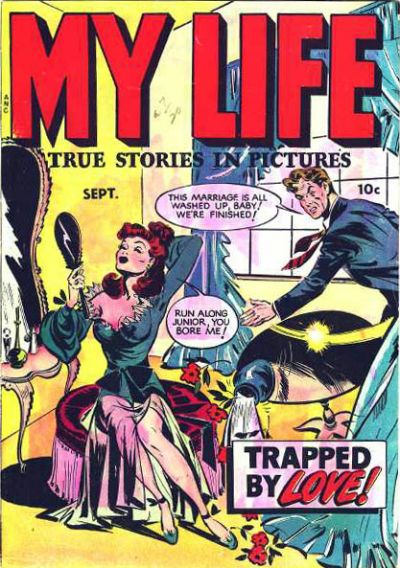


Typical characteristics
Common elements of mid‑20th‑century romance comics included realistic art, expressive faces, first‑person captions or thought balloons, and covers that highlighted a central emotional moment. Plots often featured misunderstandings, rival lovers, class differences, weddings and breakups. Many issues used an anthology format with several discrete stories rather than a single long continuity.
- Central themes: love, loyalty, jealousy, compromise and social expectations.
- Style traits: melodramatic plotting, glossy painted covers on some titles, and focus on contemporary settings.
- Format: short stories, recurring features, and occasional continuing characters.
Origins and historical development
The genre emerged in the years after World War II, when publishers recognized an adult readership beyond children's comics. Creators such as Joe Simon and Jack Kirby are widely credited with helping to popularize the form by producing titles aimed at older readers. The commercial success of early romance titles prompted many publishers to introduce competing lines, producing a considerable number of different romance magazines on newsstands through the 1940s and 1950s.
Decline, controversies and transformations
Romance comics weathered the midcentury controversies that affected comics in general, including public scrutiny over content and the industry’s self-regulation efforts. By the late 1960s and into the 1970s the traditional formula began to lose readers. Social change, evolving tastes, and the rise of other entertainment forms contributed to a steep decline in mainstream romance titles; some long‑running series ended as publishers shifted focus. At the same time, the genre adapted in niche ways—satire, adult-oriented reinterpretations and stories exploring diverse sexual orientations appeared later.
Legacy and notable distinctions
Although the classic newsstand romance comic largely vanished, its influence remains visible. Elements of the genre survive in modern graphic novels, independent comics, and serialized romance storytelling in other media. Internationally, separate but related traditions—such as female‑oriented romance comics in various markets—developed along different lines, demonstrating how the basic focus on relationships can be expressed through many artistic and cultural lenses.
Today romance comics are studied for what they reveal about midcentury social norms, gender roles and popular taste, and they continue to be revisited by creators who update the form for contemporary audiences.
Questions and answers
Q: What is the romance comics genre about?
A: The romance comics genre is about stories of love, courtship, marriage, divorce, heartbreak, and other aspects of romance.
Q: Who were the creators of the genre?
A: Joe Simon and Jack Kirby took credit for inventing the romance comics genre.
Q: Who were the main characters in the past stories of the genre?
A: In the past, the main characters of the genre were teens and young adults.
Q: What was the title of the first romance comic for adults created by Joe Simon and Jack Kirby?
A: The title of the first romance comic for adults created by Joe Simon and Jack Kirby was Young Romance.
Q: How did the success of Young Romance impact the romance comics market?
A: The success and popularity of Young Romance led other publishers to glut the market with love titles.
Q: Was the romance genre affected by the Senate subcommittee investigation into comic books?
A: No, the romance genre was unaffected by the Senate subcommittee investigation into a supposed link between comic books and juvenile crime.
Q: When and why did the romance genre decline?
A: The romance genre declined in the 1970s with the onset of the women's movement and the last issue of Young Love. Some romance comics are still published but are spoofs of the originals or take a more contemporary stance on love, such as lesbian and gay romance.
Related articles
Author
AlegsaOnline.com Romance comics Leandro Alegsa
URL: https://en.alegsaonline.com/art/83879